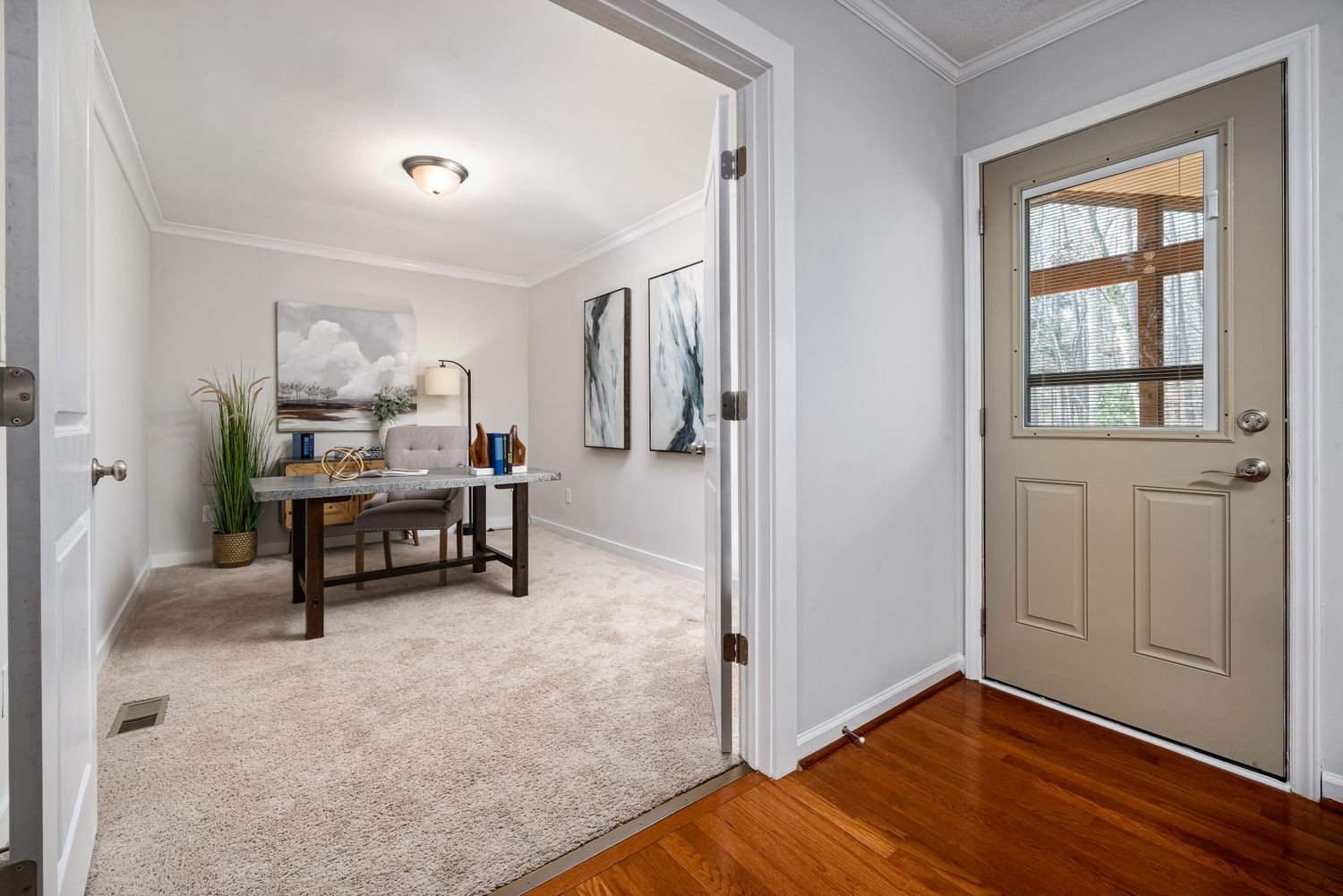
Space-saving furniture is useful only when it makes a small home easier to live in. A foldaway table sounds brilliant until it blocks a door when open, and a storage ottoman isn’t helpful when you have to move three things to lift its lid. Start with the actual activities your room needs to support, then choose pieces that do those jobs well without occupying more floor space than necessary.
Here are practical space-saving furniture ideas for small homes, from studio apartments to narrow bedrooms. Some involve buying a compact piece, but many start with moving or repurposing something you already own. Before ordering anything, measure not just the product dimensions but also the area needed to pull out a chair, open a drawer, or walk comfortably past it.
Affiliate disclosure: This article may contain affiliate links. As an Amazon Associate I earn from qualifying purchases. Read our Affiliate Disclosure for more details.
1. Try a narrow console behind the sofa

The area behind a sofa is sometimes a better location for a slim console than the center of the room is for another coffee table. A narrow surface can hold a lamp, keys, or a small book stack without interrupting the path between the sofa and television. Measure the clearance to walls and doorways first. If the sofa backs onto a walkway, a console might instead make that route too tight. The location matters more than the furniture trend.
2. Choose nesting side tables instead of a large coffee table
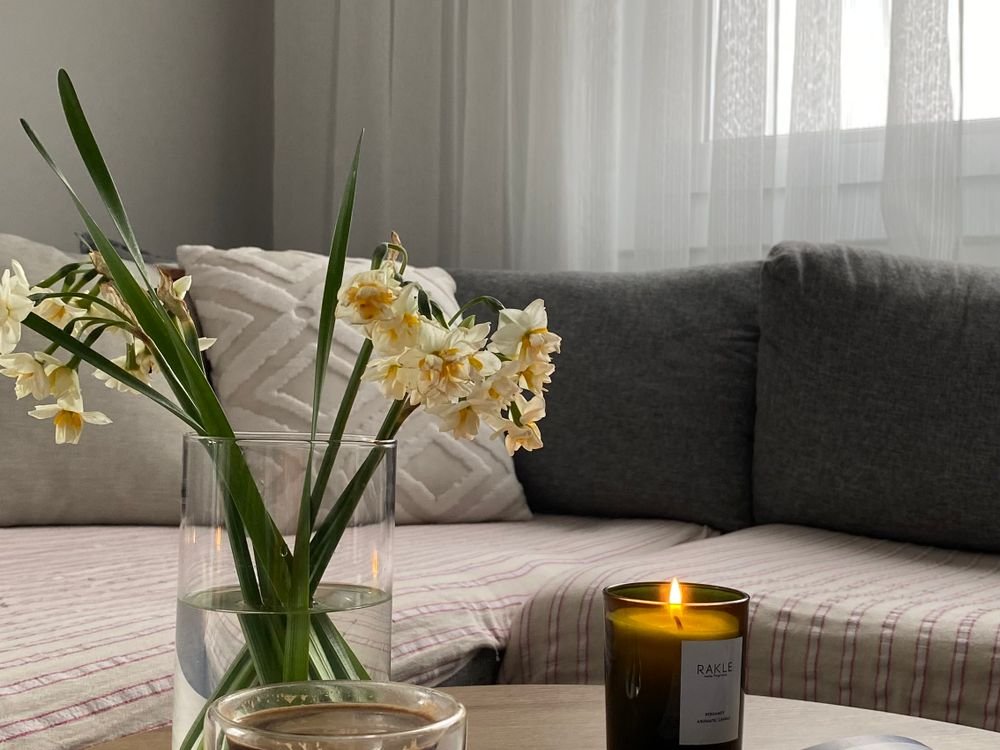
Nesting tables can provide a place for drinks when guests visit and tuck back together when the room is quiet. Choose a set stable enough for the items you actually use, and check the footprint when the tables are spread out. Lightweight, narrow pieces may be convenient, but flimsy tables can wobble on an uneven rug. If your existing side table already works, simply move it closer to the chair you use most often before shopping.
3. Consider a storage ottoman with a practical lid
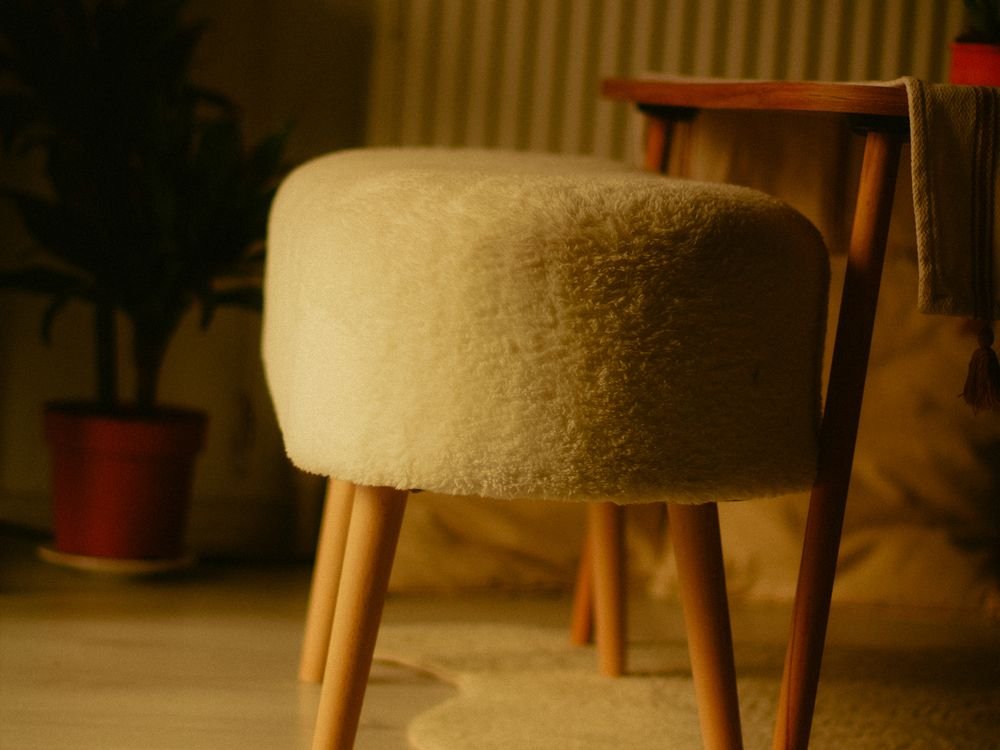
An ottoman can provide occasional seating, a footrest, and space for blankets or games. But the type of opening affects whether you’ll use that storage. Test whether a hinged lid can lift without hitting the sofa, or whether removable cushions will end up on the floor every day. Check the maker’s load rating before sitting on it, and choose an easy-clean fabric suited to your household. Storage is worthwhile when accessing it is effortless.
4. Use a drop-leaf table for flexible dining
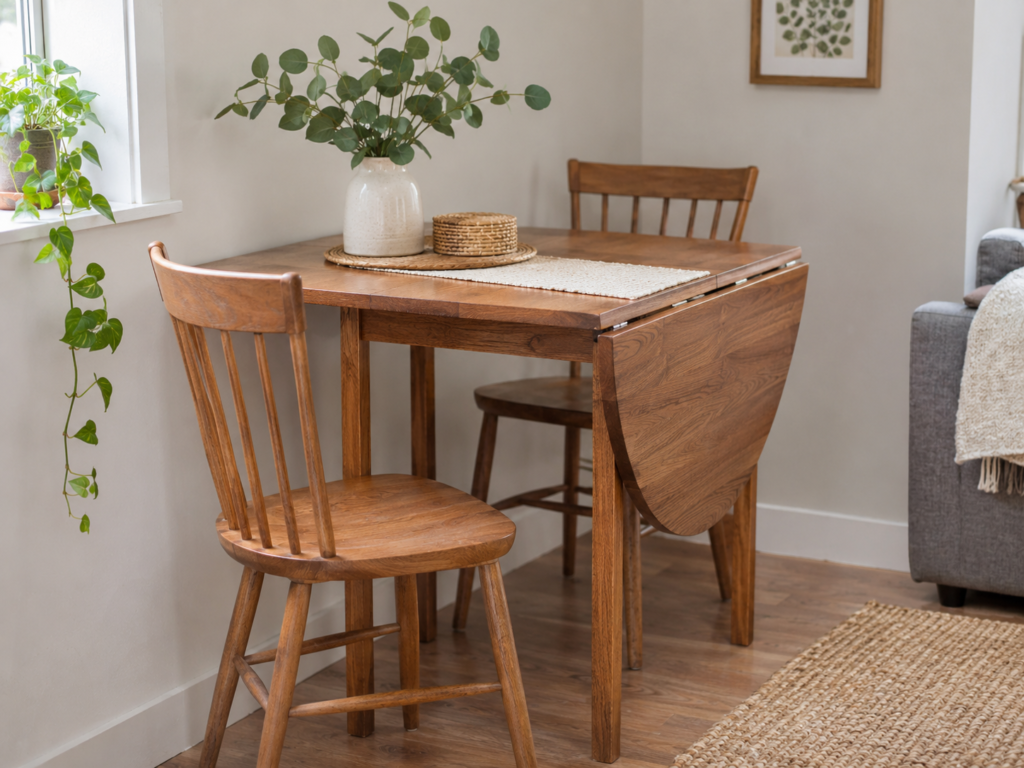
A drop-leaf dining table can remain compact on weekdays and offer more surface when you need it. Measure its closed and fully extended dimensions, then add the space needed for chairs and walking. A table that fits the room when folded but blocks the kitchen when open is not a good solution. If you already have a round table, try a different position before replacing it; sometimes the circulation problem is the layout.
A fold-down tabletop is only flexible if you can move around it in both positions. Make a paper outline of its open size on the floor, then pull chairs back as though people were sitting there. Check door swings, cabinet access and the route to the kitchen; a table that fits tightly when folded may still block the room during a meal. Look closely at the leaf hinges and support mechanism rather than relying on a marketing photo. If your dining area doubles as a workspace, our small-apartment decorating guide explains how to create zones, while renter-friendly upgrades offers ways to improve the layout without altering the property.
5. Look for a desk that doubles as a console
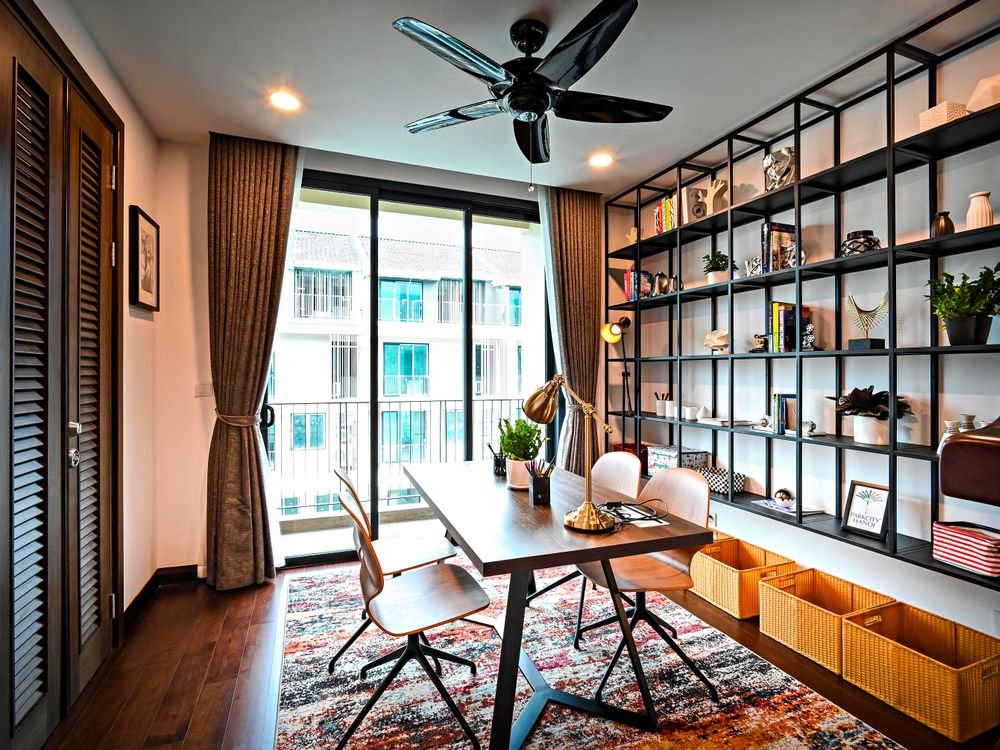
In a small apartment, a quiet writing desk can serve as an entry console or living room work surface. Choose one with enough depth for your laptop, a safe place to route cables, and comfortable space for your knees. Avoid buying a tiny ‘decorative desk’ if you work at it for hours. A portable box for stationery helps the same surface switch roles without leaving work supplies visible all evening.
6. Add a wall-mounted folding desk only when the wall permits it

A folding desk can release floor space after work, especially in a narrow room. But wall construction and mounting requirements make it less renter-friendly than it looks. Confirm permission and appropriate structural support before considering one. Check how far it projects when open and whether a chair can be positioned safely. If wall mounting is unsuitable, a small freestanding table may be less dramatic but much more dependable.
7. Try a compact dining bench against a wall

A bench may tuck beneath a table more neatly than several chairs, particularly where one side is close to the wall. It can also make it easier to seat an occasional guest. Yet benches aren’t comfortable for everyone, and moving along one to get out can be inconvenient. Test the actual path between the bench and table before buying. One bench and a couple of regular chairs can offer a balanced compromise in a small dining corner.
8. Choose shelving that suits the objects you own

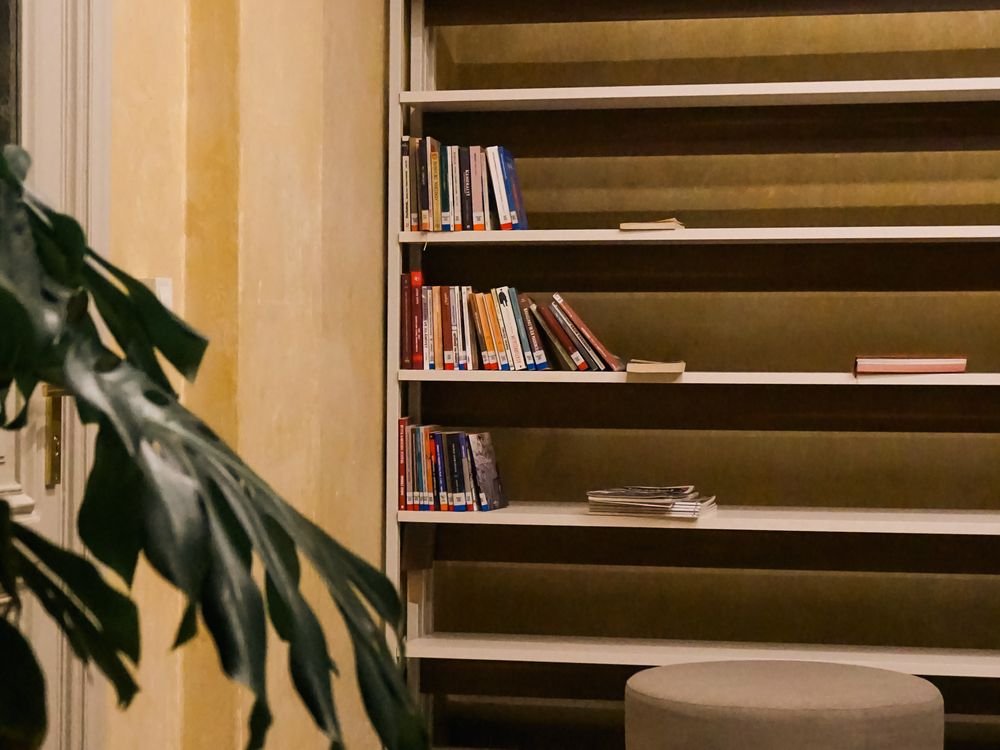
A tall bookshelf uses vertical space, but the right depth matters. Deep shelves full of small objects collect clutter, while shallow shelves may not fit the books and containers you need to store. Measure the largest items first, then choose a sturdy shelf with adjustable heights if possible. Anchor freestanding furniture according to safety guidance, especially in homes with children. Leave some breathing room on shelves so the room looks orderly, not packed.
9. Consider under-bed storage before adding another dresser

The area below a bed may hold spare linens or seasonal clothes, freeing a dresser drawer for daily essentials. Check the clearance beneath the bed and whether storage bins can slide out without blocking the door. Containers with lids can reduce dust, but don’t store damp items where airflow is limited. If your bed is already low to the floor, buying complicated risers or a new frame may cost more than the storage benefit warrants.
10. Use a slim shoe cabinet in a narrow entry

A shallow shoe cabinet can free floor space that would otherwise be occupied by a line of shoes. However, some tilt-out designs require clear space in front and may not accommodate bulky boots. Measure both the depth against the wall and the opening clearance. Secure tall cabinets properly. If you own only a few pairs, a simple rack inside the closet might be a more useful purchase than a new entryway unit.
11. Put a small rolling cart to work in a flexible corner

A rolling cart can hold office supplies, craft tools, or kitchen extras and move to wherever you need them. Choose wheels that suit your flooring, check that the cart fits under a desk or beside a cabinet, and avoid piling heavy items on upper shelves. It is especially helpful when one table serves multiple functions. For a calm look, use a few containers rather than stacking loose objects until they spill over.
12. Replace several tiny tables with one well-placed piece
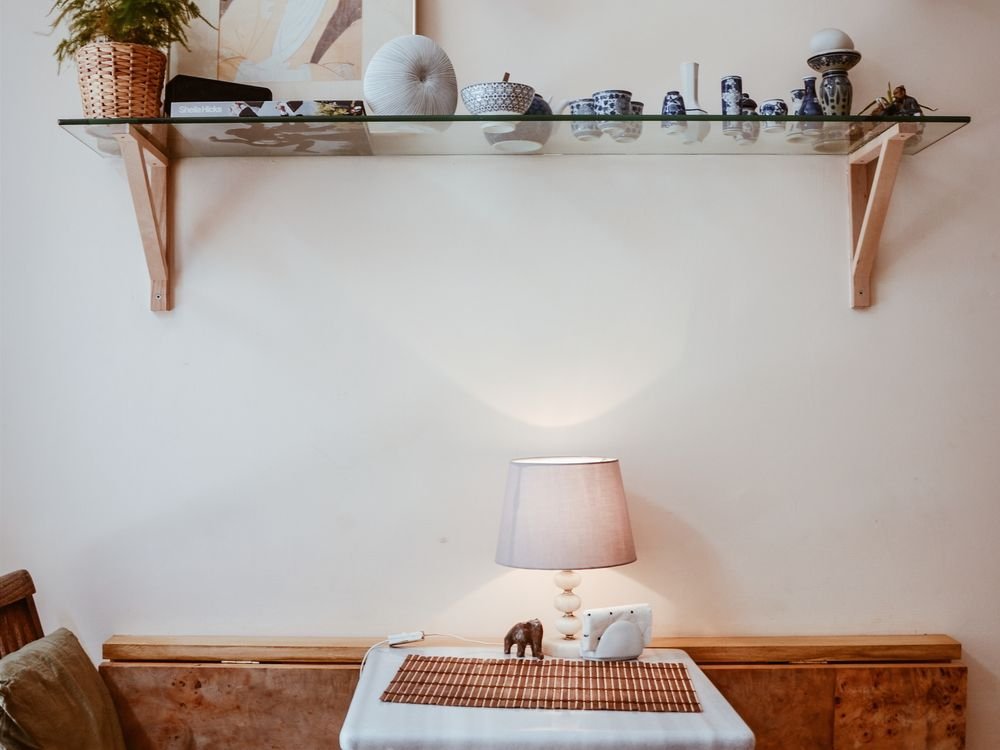
Small homes can become crowded with ‘space-saving’ furniture simply because too many separate items have been added. A medium-sized sideboard with drawers may outperform two narrow shelves and three baskets scattered around the room. List what each object currently holds and consider consolidation before shopping. A slightly larger, well-designed piece is sometimes the more efficient choice, even if its dimensions seem less minimal in the product listing.
13. Use a compact lounge chair rather than a second sofa
If the sofa is enough for everyday seating, a single supportive chair may offer guests flexibility without swallowing the room. Consider a swivel chair only if the turning radius fits; some shapes look compact but require extra clearance. Place the chair where it forms a conversation area rather than facing an empty corner. Test with a dining chair first to understand the footprint and whether a side table will also be needed.
14. Check convertible sofa beds for their everyday comfort

A sofa bed can be useful when guests stay overnight, but it must work as a sofa most of the year. Try the sitting depth, mattress support, and opening mechanism before buying. Measure the fully extended sleeping position and leave an accessible walkway to the bathroom. Some models are too heavy for frequent movement. A durable ordinary sofa plus a separate guest mattress may sometimes be a better match for your space and budget.
A sofa bed needs more than one measurement. Note its width and depth when closed, then confirm the full footprint once it is opened, including space to walk around the mattress. If it will be used daily for sleeping, pay attention to support, fabric cleaning and the actual sleeping surface, not just the sofa’s silhouette. Test the conversion mechanism if possible and check the assembly and return conditions before ordering a large piece. In a small home, sometimes a comfortable regular sofa plus a better guest plan works more reliably. Our living-room guide covers furniture placement; our bedroom guide covers comfort priorities.
15. Choose a bedside table with useful closed storage
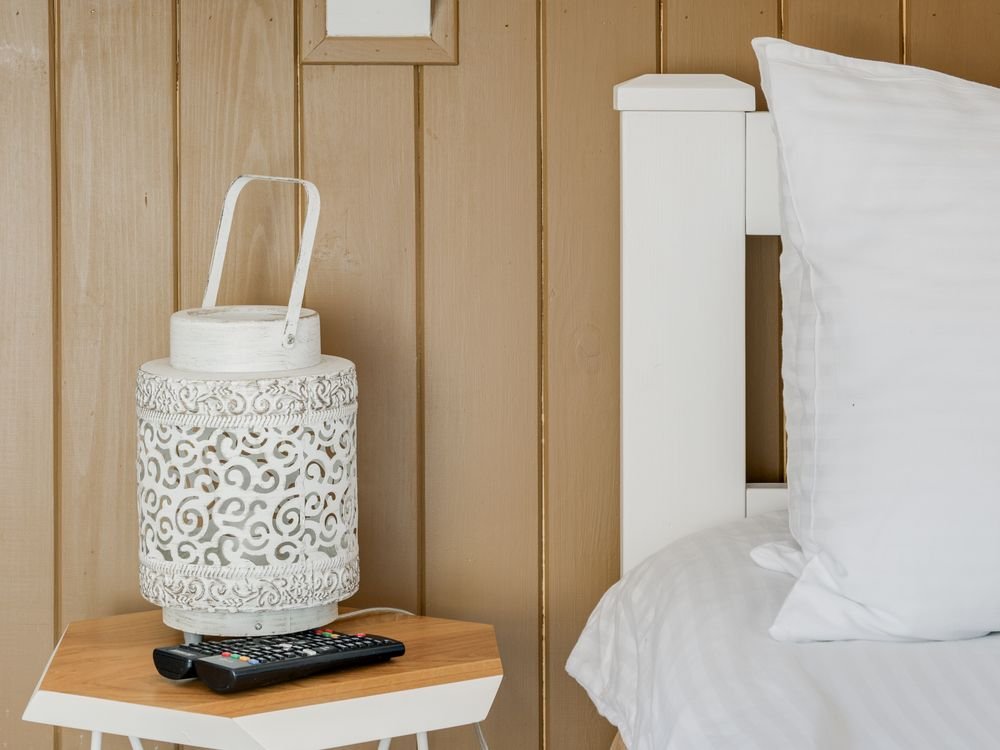
A narrow nightstand with one drawer can reduce the amount of clutter visible from the bed. Measure the height relative to the mattress so reaching a lamp or glass of water feels natural. If you need more storage, consider a compact chest that functions as a nightstand, as long as it doesn’t block a closet. Don’t buy storage capacity you won’t use. The best bedside furniture keeps essentials accessible and the floor around the bed clear.
16. Give a multipurpose piece a clear job
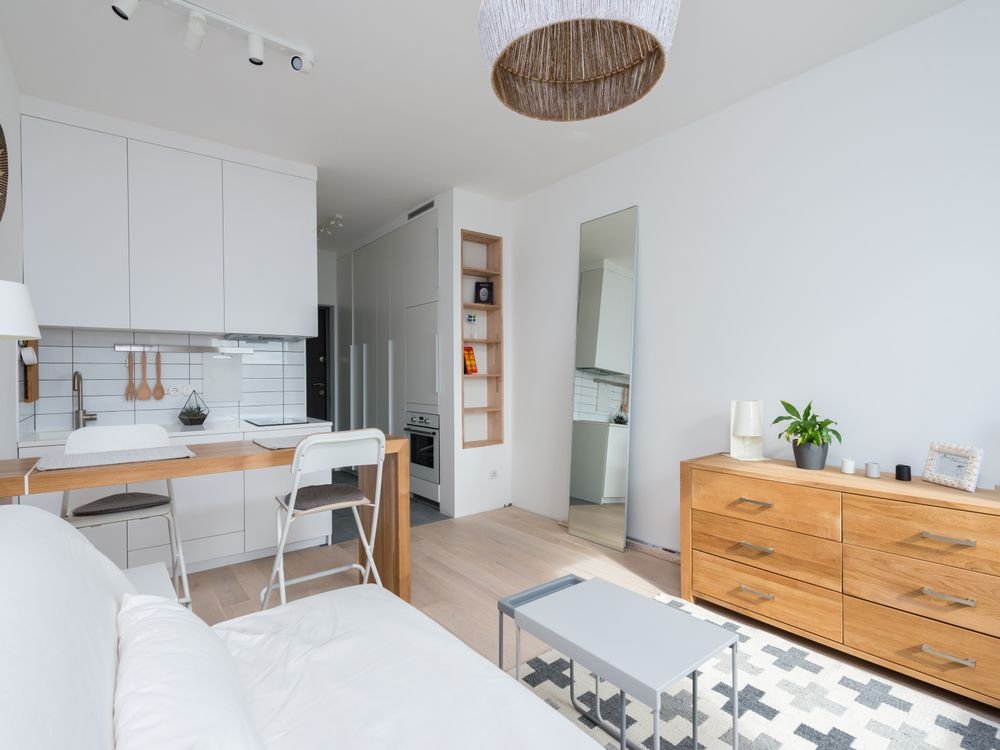
A lift-top coffee table, storage bench, or folding cabinet often promises multiple benefits. Before purchasing, ask which two functions you will use weekly and whether changing between them takes extra effort. Think about people who share the home: a lift-top surface may not be safe or comfortable for children, and an ottoman may need to remain clear for a seated person. Furniture earns its space through daily usefulness, not the number of features advertised.
How to decide what deserves floor space
Draw a rough room plan and mark windows, doors, outlets, and heating equipment. Sketch each proposed item in both its normal and expanded positions. Check that chairs can move, drawers can open, and people can pass safely. This simple process prevents expensive returns and helps separate genuinely useful furniture from pieces that are attractive only in a product photograph.
Budget and secondhand considerations
Secondhand furniture can be an excellent choice for a compact home, particularly wooden tables, small shelves, and lamps. Inspect joints, stability, stains, pests, and whether the item can actually be transported into your home. For new purchases, compare dimensions, materials, warranty, and return costs rather than only the sale price. Furniture that lasts and fits properly often saves more money than repeatedly replacing something too small or poorly built.
Questions people ask about small-space furniture
Is multifunctional furniture always better? No. Sometimes one comfortable sofa and a separate small table work better than a complicated convertible piece. Should everything have hidden storage? Also no. Too many closed compartments can encourage saving things you no longer need. Start by decluttering, then buy storage for a realistic inventory. The simplest layout is often easier to keep tidy than a room full of clever mechanisms.
Free printable: $100 Room Refresh Planner
Measure before buying new furniture and keep room priorities in view. The free planner includes a product shortlist and spending worksheet.
Download the free five-page Room Refresh Planner (PDF) – no purchase required.
Where to go next
Choose one bottleneck—a difficult dining corner, crowded entry, or cramped home office—and solve that first. You can explore other small-space ideas or browse organization guides for ways to make the furniture you own work better. An uncluttered, comfortable home is the real goal, not fitting as many functions as possible into every square foot.