
Renting doesn’t mean you have to live in a space that feels temporary or impersonal. A few reversible changes can make an apartment more comfortable while respecting the property you’re living in. The important distinction is between an upgrade you can take with you and an alteration that affects walls, flooring, fixtures, or wiring. A small improvement isn’t worth risking a deposit or creating a repair problem when you move out.
These renter-friendly home upgrades are practical ideas to consider, not a promise that any particular product is permitted in every lease. Check your tenancy agreement, building rules, and local requirements before making changes. Start with furniture arrangement, lighting, textiles, and portable storage; they usually give you the most flexibility and can be moved to your next home.
Affiliate disclosure: This article may contain affiliate links. As an Amazon Associate I earn from qualifying purchases. Read our Affiliate Disclosure for more details.
1. Change the mood with freestanding lamps
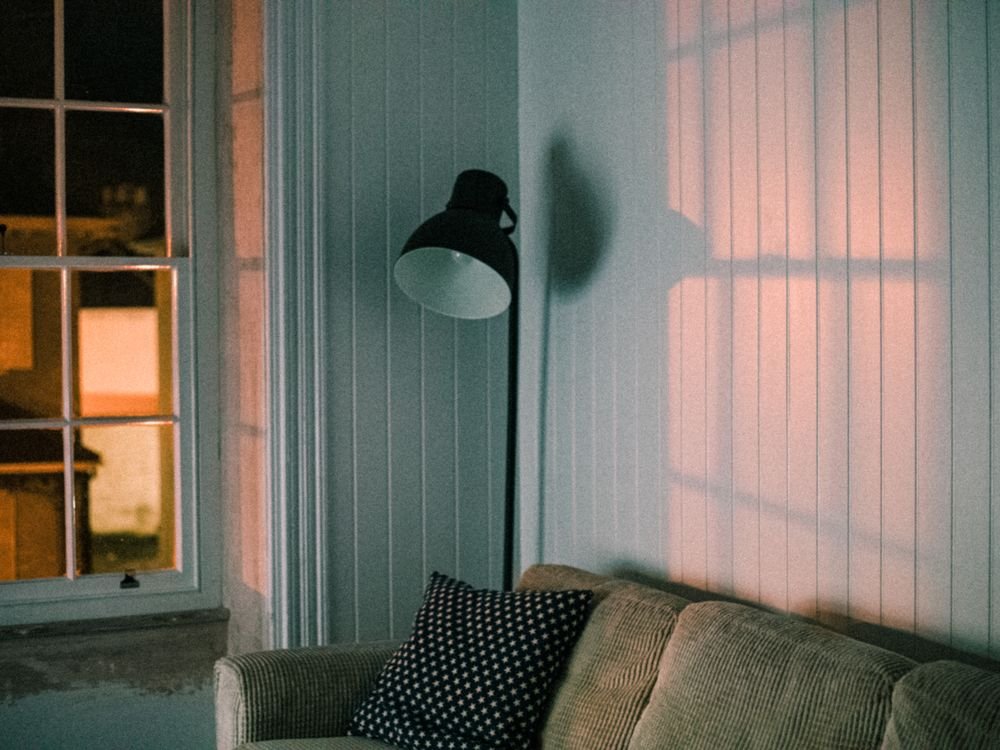
A lamp can make a living room feel warmer without touching the ceiling or installed light fixtures. Place a stable table lamp beside the sofa or choose a floor lamp where it won’t interrupt a walkway. Check bulb compatibility and route cords safely. If the room already has a lamp you rarely use, move it for a week and see whether the light is more useful in its new location. Portable lighting is one of the easiest decorating choices to take to your next rental.
2. Use curtains that suit the existing hardware
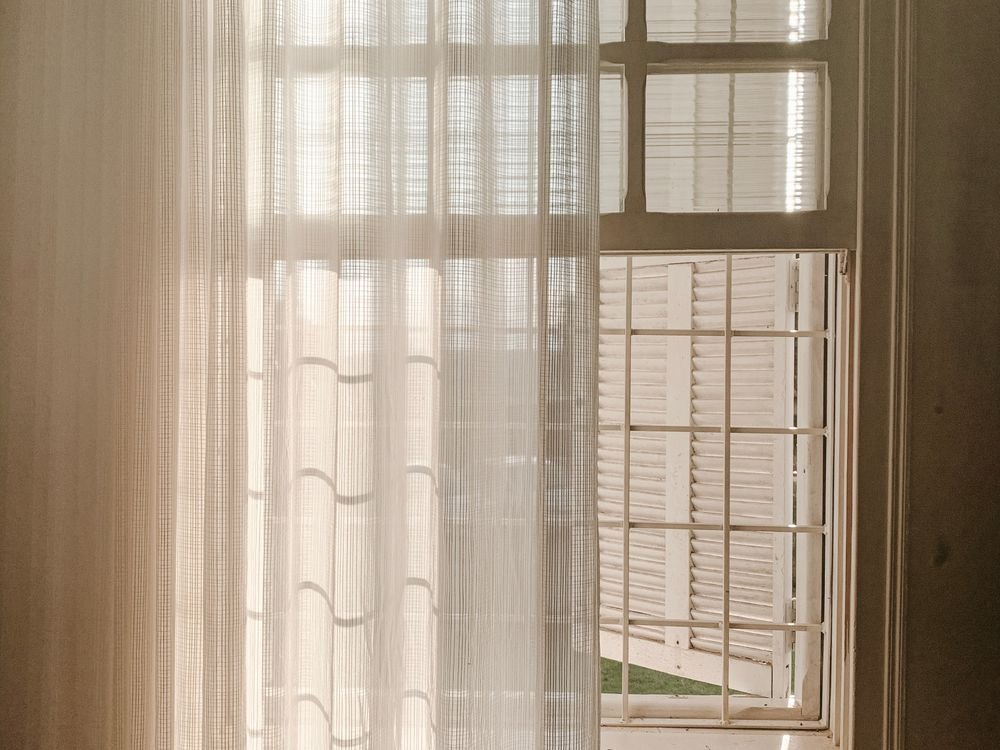
Curtains can soften an ordinary window, add privacy, and help control light. Before buying panels, check whether the rental already has a suitable rod or track and measure the width and drop accurately. A new installation may require permission, while tension rods and other temporary approaches have limits on weight and suitable surfaces. Do not assume an adhesive hook can support heavy curtains. Choose washable fabrics that will also work in a different home.
3. Make a personal gallery using safe display methods
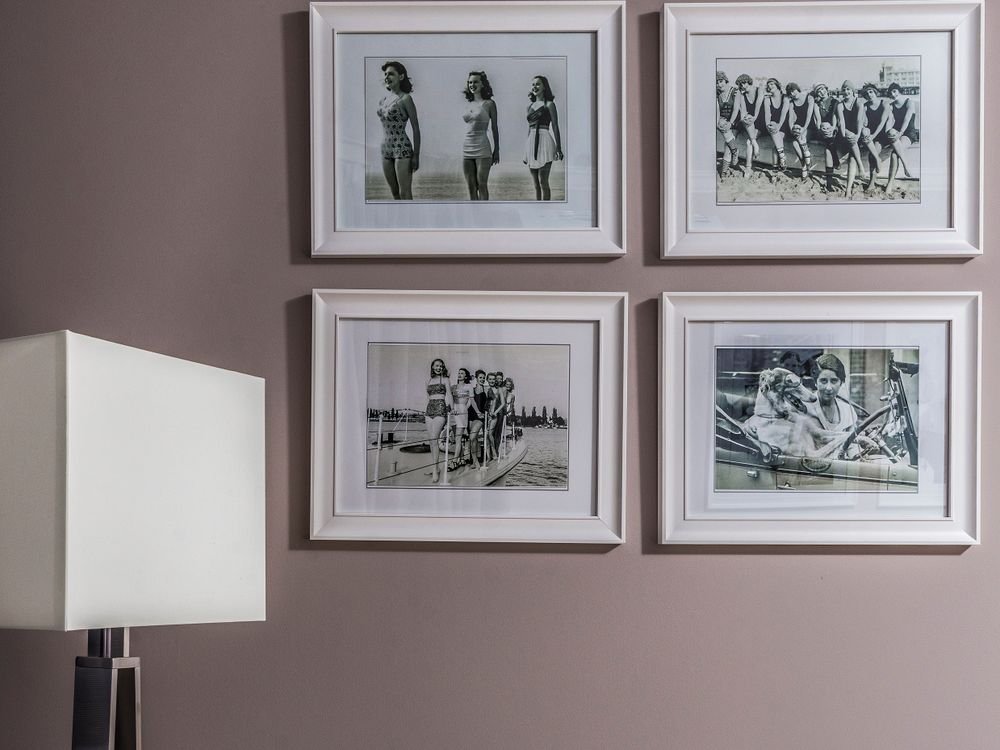
Travel photographs, artwork, and meaningful prints can bring personality to a blank wall without a large budget. Choose a few pieces that work together, then test their arrangement with paper templates before hanging them. Check your lease and the weight limits of any removable hanging products. They can damage some paint finishes or fail on textured surfaces. If wall mounting isn’t appropriate, a small framed print on a dresser or bookshelf can still create a focal point.
A temporary gallery is easiest to plan before anything touches the wall. Cut scrap-paper rectangles to the size of your frames and tape them to the wall at eye level to check spacing, balance and sightlines. If you use removable hanging products, verify the surface and weight restrictions, follow the preparation and removal directions, and remember that no adhesive is guaranteed to spare every kind of paint. Some leases prohibit adhesive strips as well as drilling. If you prefer a calmer result, our affordable décor guide has tips on one well-chosen framed print; the bedroom styling guide covers proportion.
Optional product to compare (paid Amazon affiliate link): Command Large Picture Hanging Strips are one removable-hanging option for compatible surfaces and frame weights. Their inclusion is not a promise of damage-free removal: check your lease, the exact wall finish, the package weight rating and the manufacturer’s preparation and removal directions. We have not personally tested this product.
4. Add a rug to define your living area
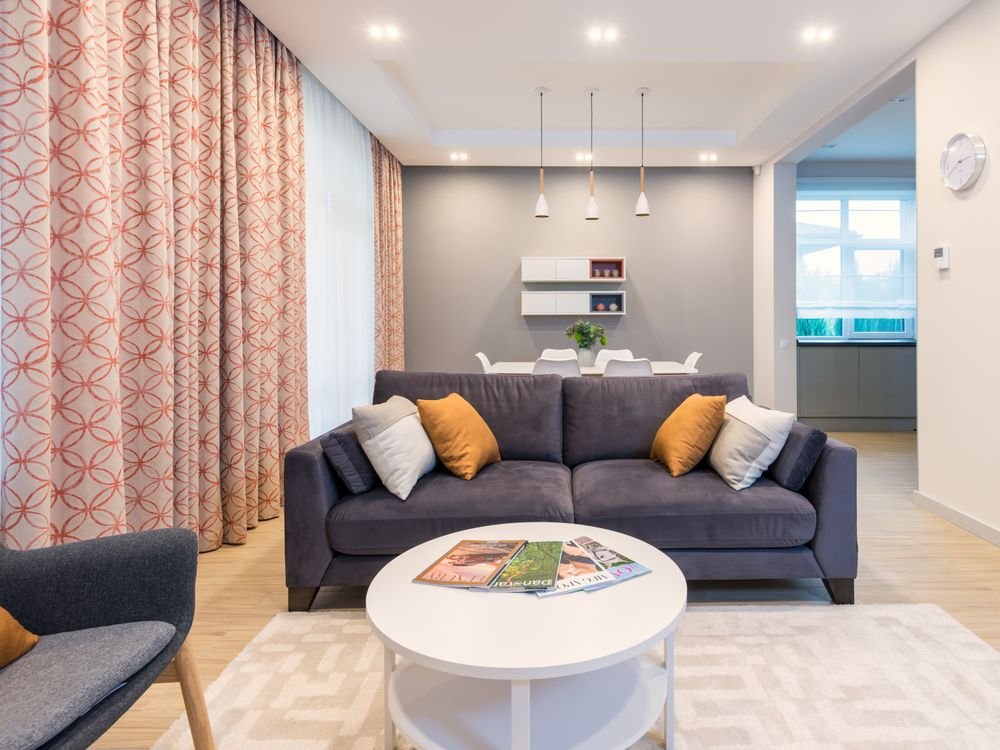
A rug can soften footsteps, create a comfortable seating zone, and visually separate the living space from a dining corner. Select a size that relates to the sofa and chairs rather than a tiny mat floating between them. Check whether the rug needs an appropriate non-slip underlay, especially on smooth flooring. Avoid materials that may discolor or react with the floor finish. Because the rug is portable, it’s a useful investment when you want the room to feel more personal without permanent changes.
5. Try removable storage before wall-mounted shelves
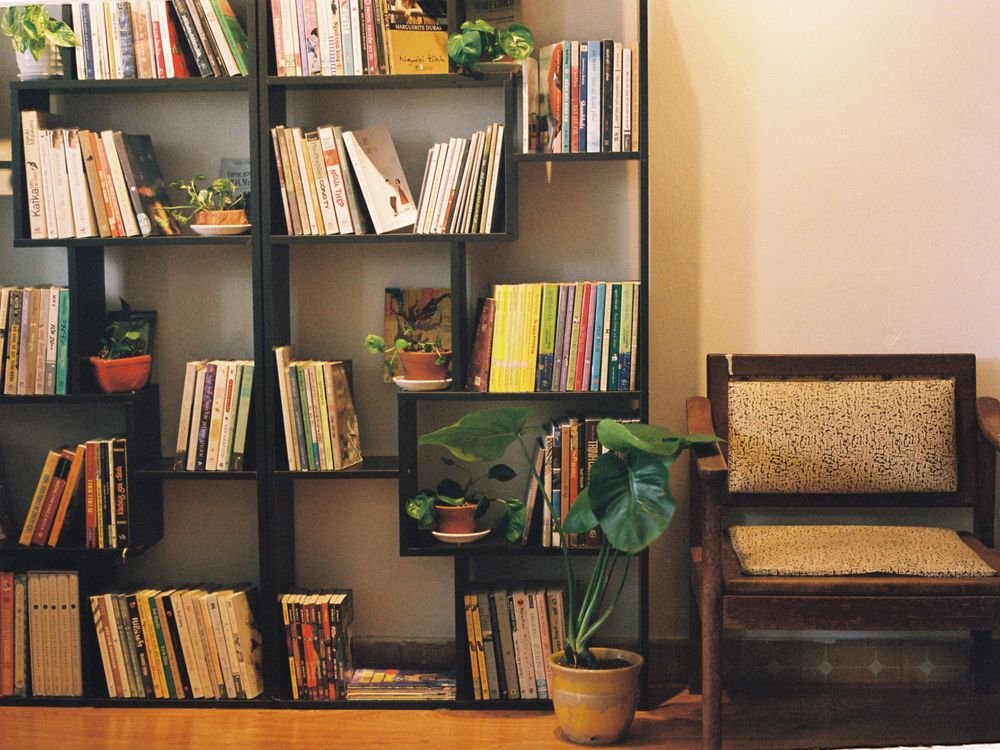
A freestanding bookcase, slim cart, or well-sized basket can help organize a rental without drilling into walls. Measure the location and how you’ll use the storage before buying. For tall or heavy freestanding furniture, safety anchoring may still be necessary; discuss suitable options with the property owner rather than leaving something unstable. Store the heaviest items low, leave doors and vents clear, and avoid filling shelves so tightly that they’re hard to use.
Assess where the storage will sit and what weight it needs to support. A slim freestanding bookcase can work in a rental, but it may still require anti-tip anchoring and the landlord’s approval for safety. Rolling carts are useful only if there is room to move them and the floor is suitable; a wobbling cart packed with heavy appliances is not a good workaround. Keep walkways and exits clear, and avoid storing heavy objects overhead. For ideas that earn their floor space, visit our space-saving furniture guide. For sorting items before choosing a container, see clever home organization ideas.
6. Create a small entryway landing zone

A rental apartment often has only a narrow space beside the front door, but that spot can still handle keys, shoes, and bags. A small bowl or shallow tray on an existing table may be enough. If you use a shoe rack, measure the door swing and walking clearance. Over-door hardware can be convenient but must not damage the door or prevent it from closing properly. Choose one simple routine that suits how your household actually arrives home.
7. Make the bathroom feel fresher with textiles

A new shower curtain, bath mat, or set of coordinated hand towels can change how a bathroom looks without replacing fixtures. Choose water-appropriate, washable materials and keep the area well ventilated according to the home’s setup. A bath mat must be safe on wet flooring, and a curtain should not block the room’s airflow. Clean existing surfaces first; a fresh, uncluttered bathroom often needs fewer purchases than a heavily accessorized one.
8. Arrange portable plants around available daylight
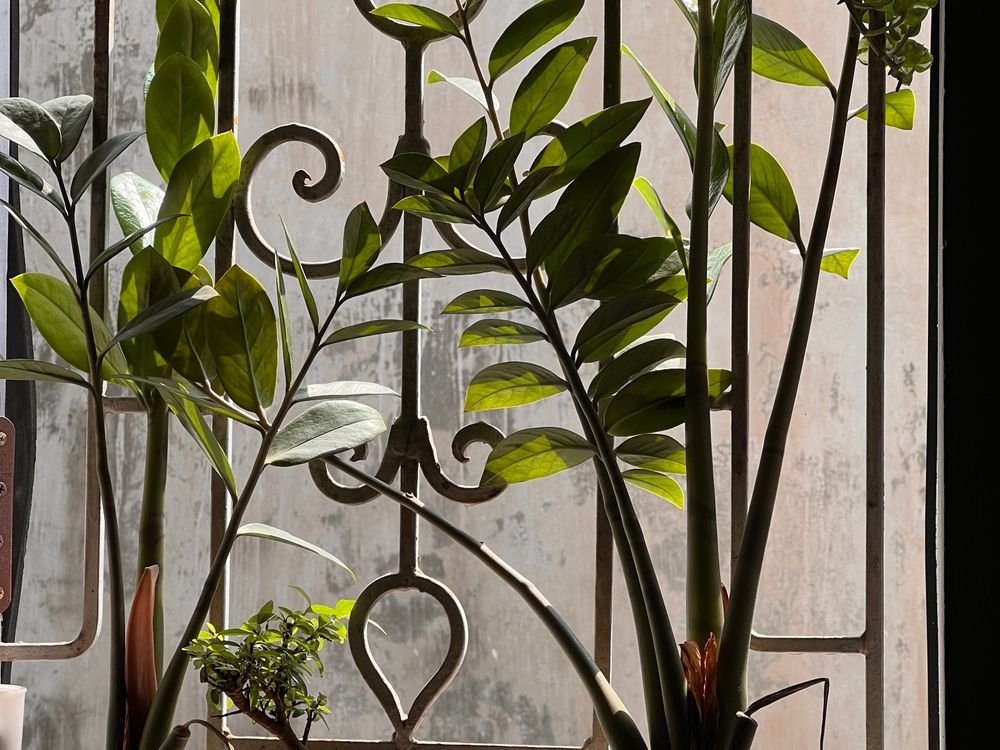
A plant can bring softness to a rental living room, but it should suit the light and care you can provide. Keep pots on stable surfaces and use trays to protect floors and furniture from water damage. Confirm pet safety for the species you select. If the apartment lacks sufficient daylight, consider a realistic artificial option rather than buying a live plant that won’t thrive. One carefully positioned piece of greenery usually has more visual impact than many crowded pots.
9. Use a rolling cart as flexible extra storage

A small rolling cart can hold desk supplies, kitchen tools, or craft materials and move when the space changes. Measure the area where it will park and check how its wheels behave on your flooring. Avoid overloading upper shelves or using it for items that could fall. An open cart is useful when its contents form one clear category; it becomes visual clutter when everything miscellaneous gets dropped inside. The best feature is the ability to move it to your next place.
10. Upgrade bedding without replacing bedroom furniture

Bedding has a large visual impact in a compact bedroom because the bed occupies so much of the room. Try coordinated pillowcases, a comfortably sized duvet cover, and one practical throw. Choose fabrics you can wash and genuinely enjoy sleeping on. A styled bed doesn’t have to require five decorative pillows you remove nightly. This approach lets you refresh the room even when the bed frame, walls, and closet must stay exactly as they are.
11. Use furniture placement to create room zones
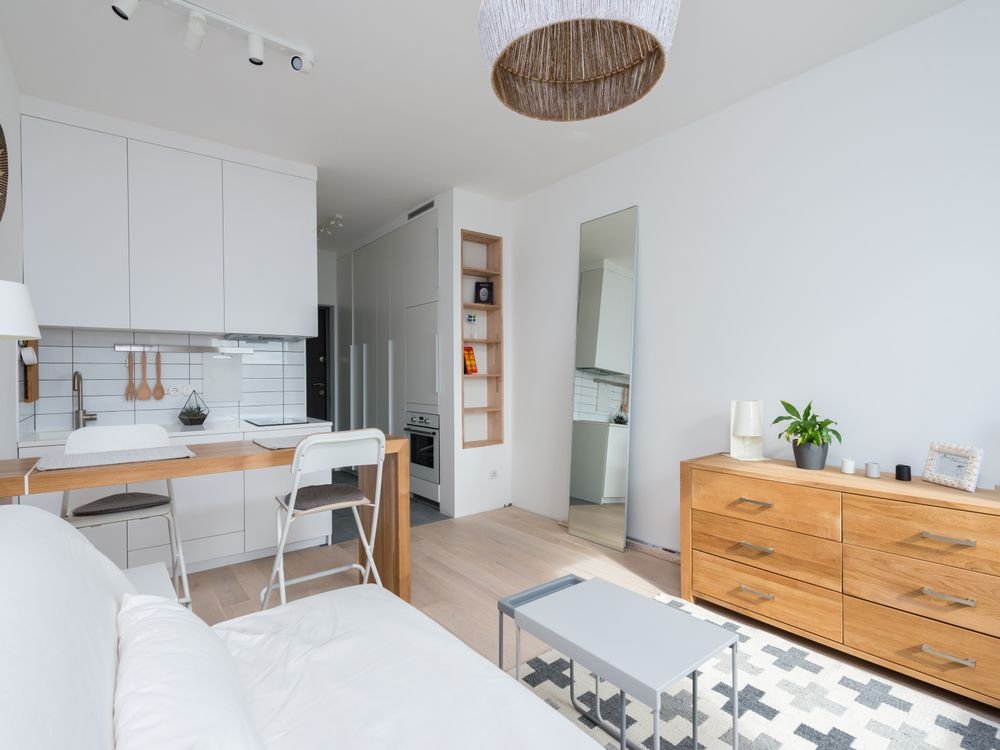
In a studio or open-plan rental, furniture can define activities without physical partitions. Position a sofa to distinguish the living area from a desk or dining space, or use a rug to anchor the seating. Avoid blocking windows, doors, or safe exit routes. Take photos and experiment with one piece at a time. If moving a heavy item could cause injury or damage, get help or leave it in place. A clearer layout may eliminate the need for another shelf entirely.
12. Try a removable desk setup rather than building one
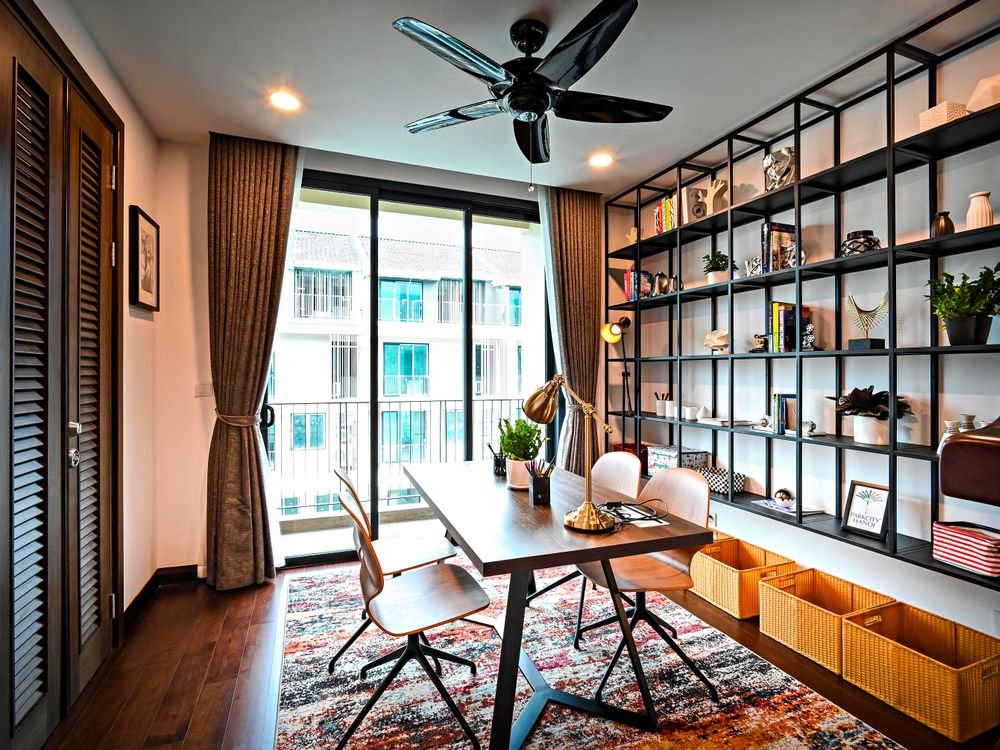
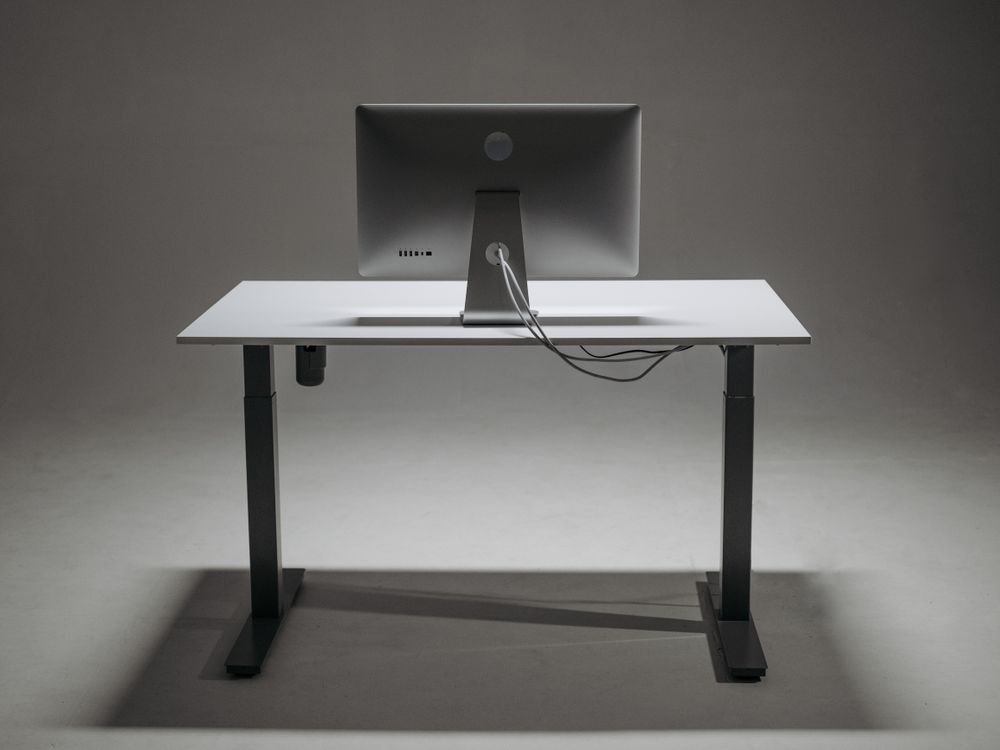
A compact freestanding desk can create a useful home office without installing wall hardware. Choose a comfortable work height, enough surface depth, and a chair that fits beneath it. Manage cables so they don’t cross the floor. A table that doubles as a console may be practical if your work is occasional; regular computer work needs more ergonomic consideration. For rentals, portable furniture that fits ordinary doorways can reduce moving hassles later.
13. Organize the kitchen without changing the cabinets

Drawer inserts, small baskets, and freestanding shelf risers may improve cabinet storage without drilling or replacing fixtures. Measure the internal dimensions and check whether the cabinet door can still close. Avoid adhesive accessories where heat and moisture might weaken their bond or damage finishes. Start by sorting and removing duplicates so you know what needs storage. Many kitchen organization improvements are about putting the right tools close to the activity, not buying more compartments.
14. Cover a damaged-looking tabletop with reversible styling
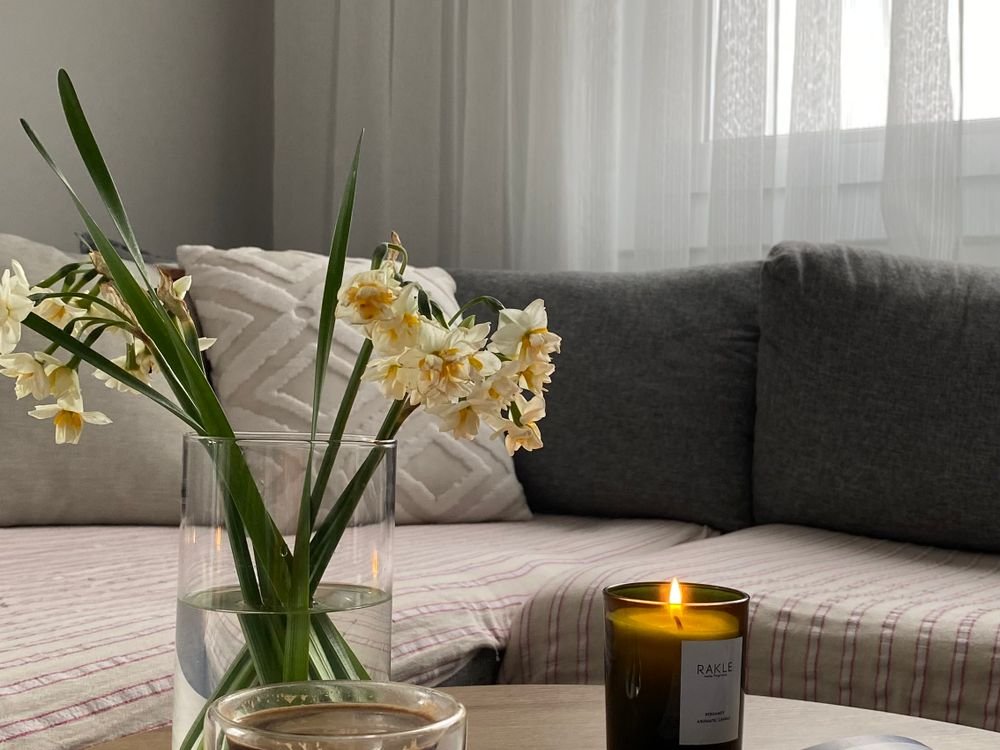
A worn table can look more welcoming with a suitable runner, placemats, or a protective mat chosen for the surface. Check that the material won’t trap moisture, stain the finish, or become slippery. If furniture belongs to the landlord, avoid sanding, painting, or replacing hardware without permission. You may be able to give the dining area a new color palette simply with textiles and a modest centerpiece. The change can leave with you when your lease ends.
15. Make lighting and charging easy to use
A tidy charging spot can make a bedroom or living room feel calmer. Use a stable surface, route cables carefully, and keep chargers accessible and ventilated. Cable clips may help when they’re compatible with the furniture finish, but avoid permanent adhesive on delicate rented surfaces without testing and permission. Don’t conceal damaged wires, overload outlets, or alter installed electrical fittings. This upgrade is about reliable everyday function, not making technology disappear for a photograph.
16. Plan upgrades with your move-out day in mind

Before purchasing a large furnishing or a decorative system, imagine carrying it through the doorway of your next home. Will the piece fit ordinary rooms? Can you clean and pack it easily? Does it require special installation? Keep receipts and instructions for removable items, and document any permitted alterations and restoration requirements. Portable choices often give renters better long-term value than customized pieces that only work in one apartment.
A weekend rental refresh without drilling
Start by clearing the entry and the most-used seating area. Move a lamp, try a new furniture arrangement, and group existing cushions or throws into a simple palette. On the second day, organize one drawer and display a meaningful photograph on an existing shelf. Take a picture after each change so you can judge its impact. This kind of refresh can feel substantial without a single hole in the wall.
What to check before buying removable products
A product advertised as renter-friendly isn’t automatically damage-free. Adhesive hooks, temporary wallpaper, and removable fixtures can behave differently on paint, tile, wood, or humid surfaces. Read the instructions and limitations, check your lease, and test only when appropriate. Be especially cautious with heavy items and anything near electrical equipment. A freestanding alternative is often the safer choice if you’re uncertain about a wall or surface.
Frequently asked questions
Can renters paint walls? It depends on your lease and the property’s rules, so ask for written permission first. Are peel-and-stick products always safe to remove? No. They may damage paint or leave residue on some surfaces. Is it better to buy small furniture? Not necessarily; choose pieces that fit comfortably, have a purpose, and can travel through doors during a future move.
Free printable: $100 Room Refresh Planner
Choose renter-friendly changes with a clear spending limit and a simple checklist for measuring, permissions and move-out considerations.
Download the free five-page Room Refresh Planner (PDF) – no purchase required.
Make it feel like yours
Your rental can reflect your taste without copying an idealized room or making changes that are difficult to undo. Start with the simplest useful upgrade and see how it works in everyday life. Explore Home Hacks for other approachable improvements and Home Decor for styling ideas that don’t depend on a renovation.