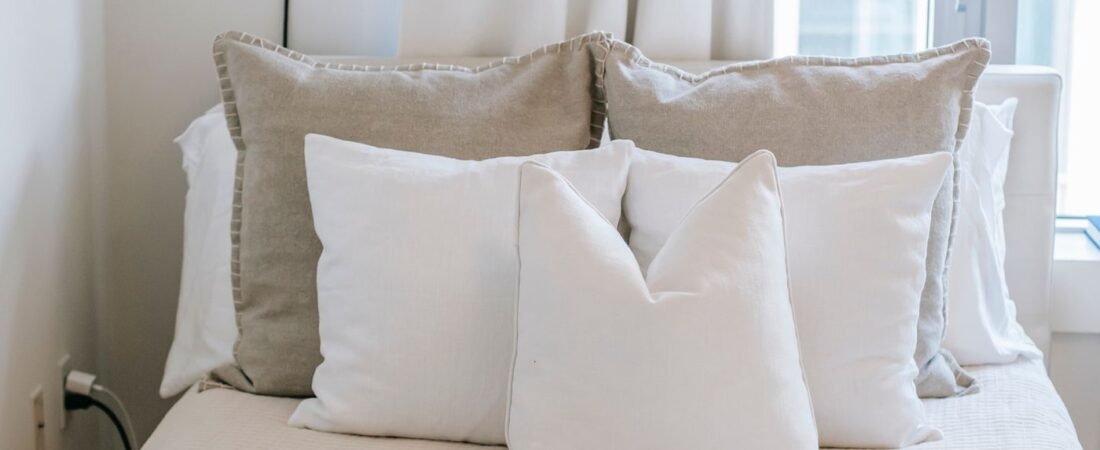
A bedroom can look carefully designed without expensive furniture, a complete makeover, or a matching set purchased in one afternoon. The rooms that feel polished usually have a few ordinary things working together: gentle light, a comfortable bed, clear surfaces, and colors that don’t compete for attention. You can create that sense of calm with small improvements, especially when you decide what bothers you before you decide what to buy.
Use these bedroom decorating ideas as a menu, not a shopping checklist. Start with the bed or the window, choose two changes, and give yourself a week to see whether they make the room better to live in. A beautiful photograph may inspire the color palette, but your room still needs accessible storage, a safe walking route, and bedding that’s genuinely comfortable.
Affiliate disclosure: This article may contain affiliate links. As an Amazon Associate I earn from qualifying purchases. Read our Affiliate Disclosure for more details.
1. Make the bed the visual anchor

The bed occupies so much of a bedroom that its appearance influences everything around it. Pull the duvet smoothly across the mattress, fold the top edge back, and arrange sleeping pillows so they don’t collapse against the headboard. If you like a layered look, use a single throw at the foot. A bed that looks inviting is more persuasive than one covered with cushions you have to remove every evening.
Before buying a new duvet cover, try washing and neatly arranging what you already own. If the colors clash, start with pillowcases or a throw that relates to your walls and furniture. Comfortable fabric matters more than a luxury label. Keep the layers manageable for your routine, because the best bedroom style is something you can maintain on a busy Tuesday morning.
2. Choose two or three colors and repeat them

An expensive-looking room often feels consistent rather than elaborate. Pick a background color that works with your existing floor and major furniture, then add one accent shade and one material tone. Warm white, muted olive, and medium wood make one combination; pale blue, charcoal, and natural linen make another. The exact palette isn’t important. Repeating it thoughtfully is what helps unrelated pieces feel like a collection.
Take a photograph of the room in daylight and notice the three colors already dominating it. Instead of fighting those tones, find a simple accent that complements them. A small cushion, lampshade, and framed print can establish a palette without repainting. If you’re renting, this approach avoids spending money on walls you might not be allowed to change.
3. Give the window a more intentional frame

Curtains affect the way light enters a bedroom, and properly sized panels make the window feel more deliberate. Measure the width of the window and the distance from the rod to the floor before choosing anything. When permitted, a rod extending beyond the frame allows curtains to open without covering all the glass. A simple fabric with a gentle drape usually suits more rooms than a busy print.
Curtain placement has more influence than people expect. Before choosing rods or fabric, measure the entire wall width, the distance from ceiling to floor, and the amount of space that allows curtains to stack clear of the glass. A panel that barely covers the window when closed often looks skimpy even if the fabric is beautiful. If your existing curtains are workable, steam the creases and adjust their position first. For a room where the bedroom shares a wall with a working or sitting area, our small-apartment decorating ideas explore creating visual zones without adding bulky furniture. The same calm, deliberate approach works in a cozy living room.
Look at the function first: do you need privacy, light filtering, or darker conditions for sleep? Blackout lining and sheer fabric serve very different needs. Check that panels don’t obstruct heaters or vents, and use secure hardware appropriate to the wall. If you cannot drill, investigate the permitted alternatives rather than assuming temporary adhesive hooks can support heavy curtains.
4. Layer the bedside lighting
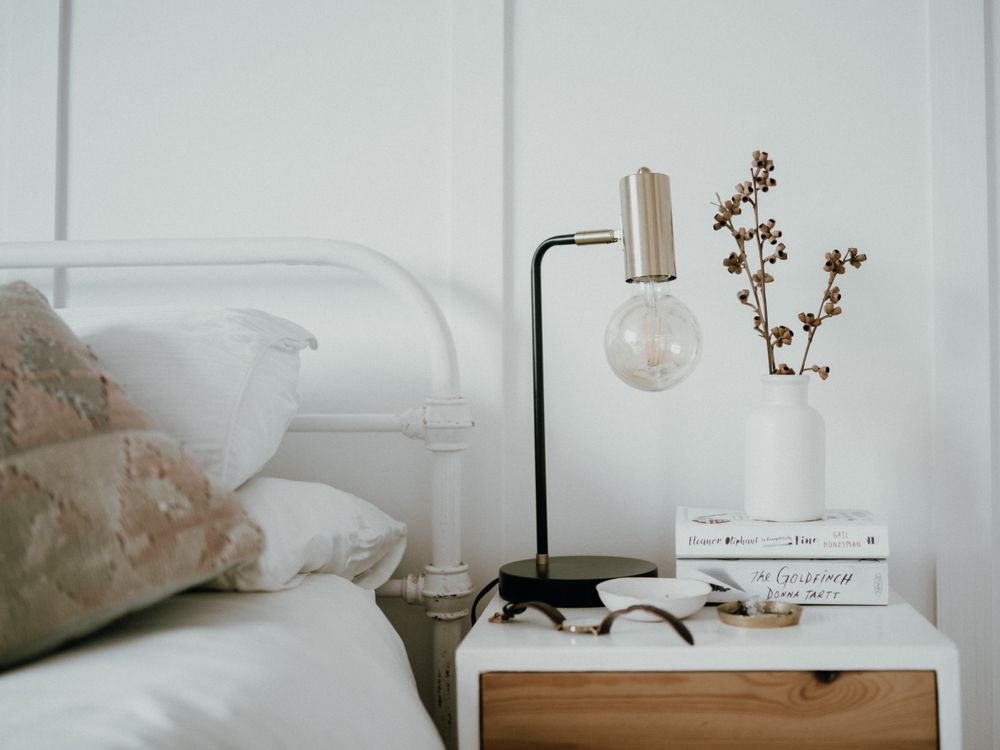
A single bright ceiling fixture can flatten the mood of even a lovely bedroom. One warm reading lamp beside the bed makes the space feel more considered, while a second light across the room adds depth after sunset. You don’t need matching lamps if the size, color, or finish connects them. Position each one where it does a job rather than wherever it happens to look symmetrical.
Try moving a lamp from another room for two nights. Read in bed, charge your phone, and notice where a switch would be convenient. Keep cords secured and away from walking paths. Buy compatible bulbs and never drape fabric over a hot fixture to soften the glow. Good lighting should make the room more comfortable and safer, not merely prettier in a photograph.
5. Clear the nightstand but keep the essentials
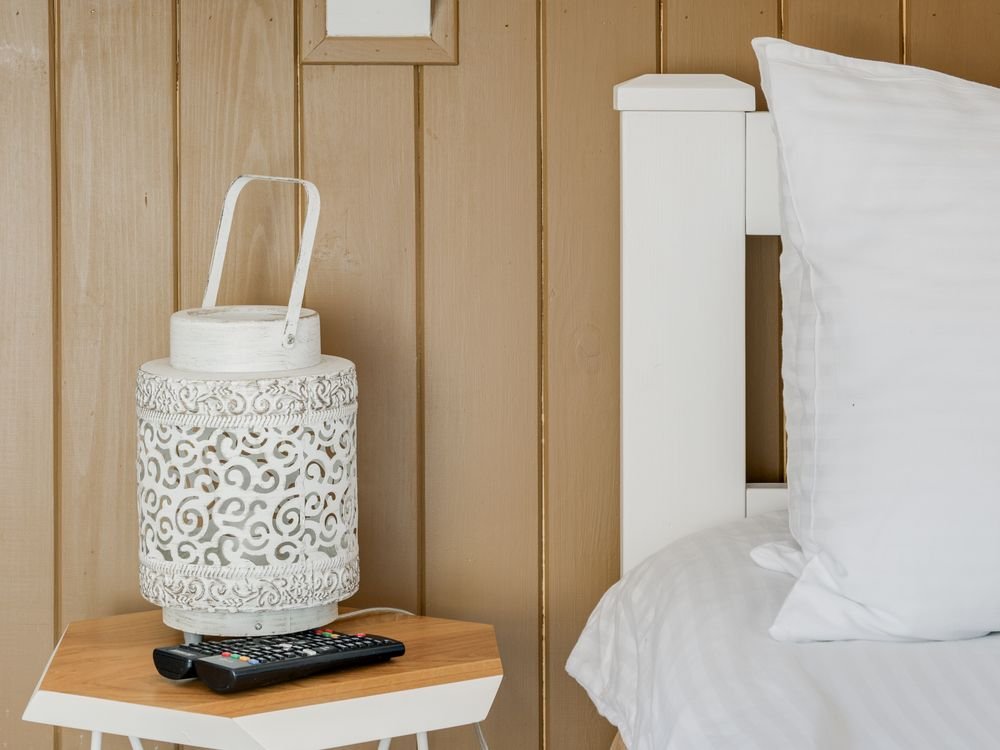
Bedside clutter is especially noticeable because it sits at eye level when you’re resting. Keep what you actually reach for: perhaps a reading light, water, a book, and hand cream. A small tray can stop loose items from spreading across the surface. If your nightstand has no drawer, a little basket beneath it may be more useful than another decorative object.
A bedside surface should serve the routines you really have: a place for a book, glasses, water or a small lamp, rather than an arrangement that has to be rebuilt every evening. Measure the available top and place the most frequently handled object within reach from the bed. Put occasional items in a drawer or a shallow container, not behind the lamp where they are awkward to retrieve. If you have very little floor space, our space-saving furniture guide explains when a narrow closed bedside unit may earn its footprint. For a gentle weekly reset, try the routine in our home-organization article.
Remove everything first, clean the surface, and put back only the things you used during the last week. Give chargers a predictable spot and make sure the cable can reach without crossing a walkway. If you share the bed, the two sides don’t need identical styling. They just need to feel equally comfortable and reasonably balanced when you look across the room.
6. Make one piece of art do the work
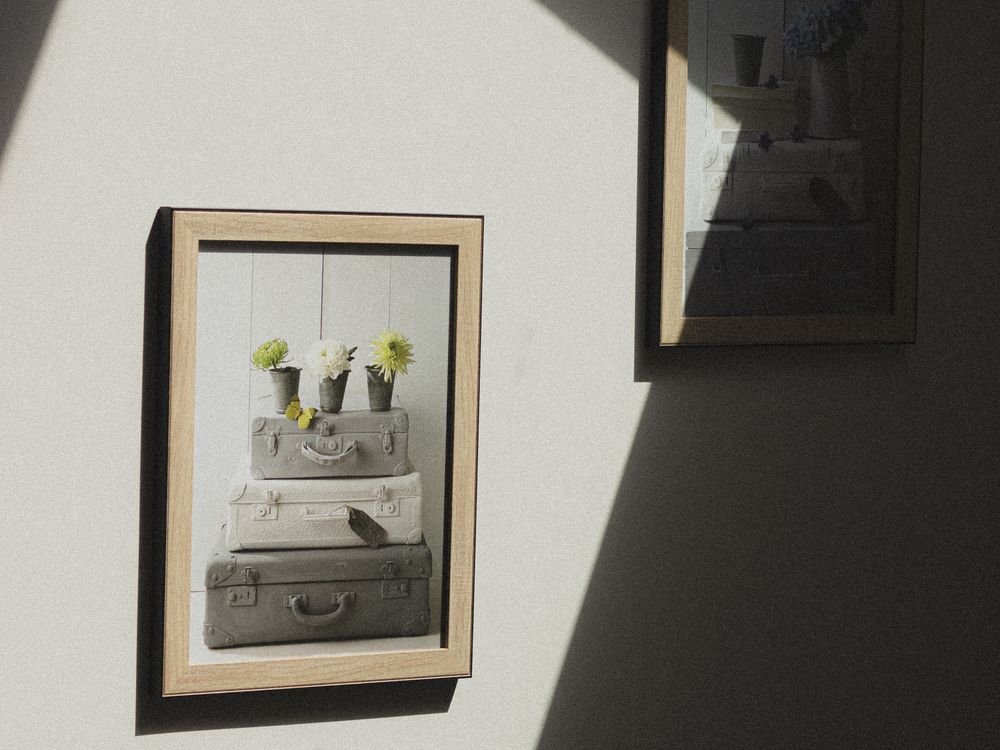
A bedroom often looks more finished with one thoughtfully scaled artwork than a crowded gallery wall assembled quickly. Choose a personal photograph, an illustration, or a print that makes you happy to see it each morning. Place it above a dresser or another stable piece of furniture, and relate its width to the item beneath. An oversized print isn’t automatically better if it overwhelms a small room.
Before buying a frame, cut a paper rectangle to the proposed dimensions and tape it temporarily to the wall. Stand back from the doorway and check the proportions. You can reuse an existing frame with new artwork or move a piece from another room. Follow the hardware’s weight rating, particularly over beds, where poorly mounted heavy objects are a safety risk.
7. Use texture where it can be felt

Layered texture makes a neutral bedroom interesting without requiring strong patterns. A woven blanket, smooth pillowcase, natural-look curtain, and modest rug can create contrast through their surfaces alone. Think about how those materials behave in everyday life. A scratchy cover or rug that constantly sheds is not an upgrade simply because it looks attractive on a styling board.
Choose one area to soften first. If the floor feels chilly when you get out of bed, a properly secured bedside rug may give more everyday value than a new set of ornaments. If the bedding feels flat, a washable throw or textured pillow cover may be enough. Test with pieces already in your home before committing to another fabric.
8. Hang a mirror where it reflects something worthwhile
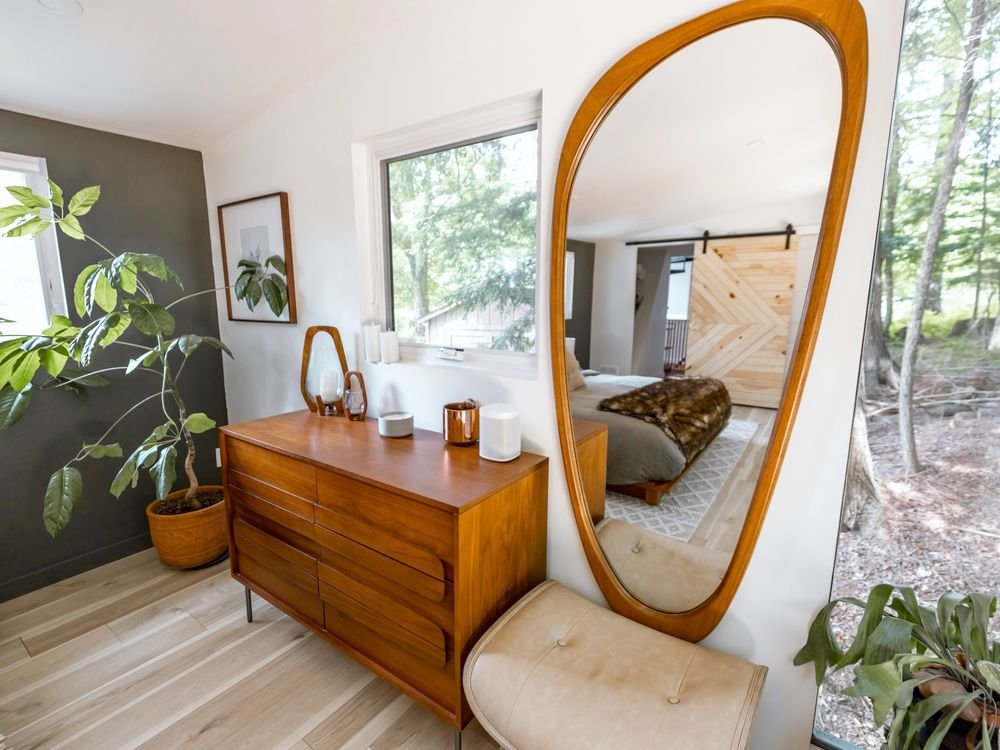
A mirror can bounce daylight around a room, make getting dressed easier, and offer a little visual depth. However, it also doubles whatever it reflects. Before deciding where to put one, look at what would appear in it from the doorway: an uncluttered window is usually more pleasant than an overflowing laundry basket. Scale and mounting matter more than an elaborate frame.
Try leaning a small existing mirror in different safe locations to see how light behaves at different times of day. Secure larger mirrors according to their mounting instructions rather than simply resting them where they could tip. Avoid placing a mirror so it causes unwanted glare or interferes with the door. A useful mirror that sits naturally in the room always looks more intentional.
9. Make the dresser a calm surface
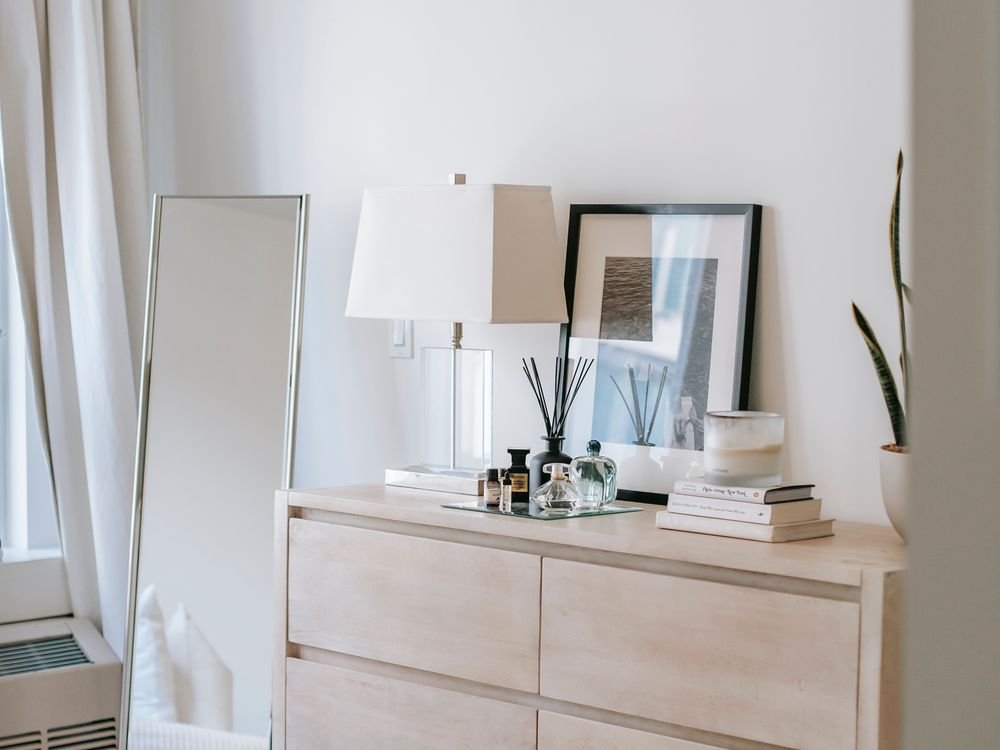
Visible products, paperwork, jewelry, and spare cables can make a dresser look busy even when the furniture itself is attractive. Choose a place for frequently used items inside drawers, then leave a little breathing room on top. One lamp, small tray, or framed photograph is often enough. It’s better to display something meaningful than to fill every inch with purchased decor.
Do a ten-minute edit: empty the top of the dresser, sort what you find, and put back only the items that truly belong there. If a container is needed, measure the available space before buying it. A drawer divider or recycled box may solve the problem without costing anything. Keep the organization simple enough that you can use it half asleep.
10. Repeat a finish without matching everything

Small visual repetitions help mixed furniture feel cohesive. The warm wood of a nightstand might reappear in a frame, or a matte-black lamp might relate to a drawer pull. Two appearances are often enough. Buying a new matching suite can be expensive and unnecessary when your existing pieces are structurally sound and serve their purpose.
Walk through the room and note the finishes already present. Choose one, then identify a small object that could echo it. If swapping hardware is permitted, keep the original pieces for a future move. Avoid changing electrical fittings or installing heavy items yourself unless you have the appropriate knowledge and permission. The goal is visual rhythm, not a renovation.
11. Improve the floor space around the bed

A bedroom feels more restful when you don’t have to step around shoes, laundry, or an awkward bench to reach the closet. Clear walking paths can make modest furniture look better because each piece has enough room to breathe. If you have limited space, a storage ottoman or under-bed bins may help, but only if their dimensions and access actually work.
Measure the clearance around the bed before adding any more furniture. Open drawers and closet doors during your test, not just when everything is shut. Place a laundry basket where clothes naturally collect, rather than where it would look prettiest in a photo. Efficient placement is the affordable version of good design, and it makes the room easier to use.
12. Spend on the things you touch every day
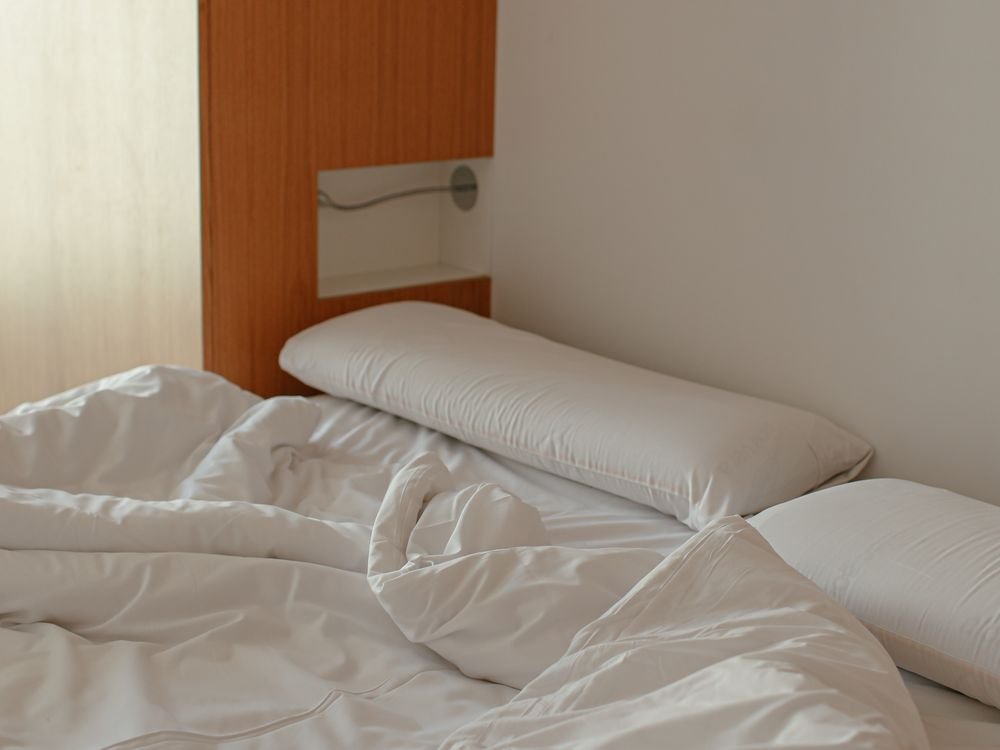
A luxurious bedroom isn’t just something you see; it’s a place where you should be able to rest comfortably. If you have a limited budget, prioritize bedding that feels good, adequate lighting, curtains suited to your needs, and storage that reduces stress. A decorative bench, oversized vase, or elaborate headboard might be nice later, but these shouldn’t come before basic comfort.
Make two lists: items that improve daily use and items that are purely decorative. Compare prices only after checking sizes, cleaning instructions, and how long the purchase is likely to last. Secondhand frames, small wooden tables, and occasional decor can be excellent finds, but inspect everything carefully before bringing it home. A bargain is only useful if it solves your problem.
An easy bedroom refresh plan
On your first evening, take a photograph and clear the nightstand and dresser. The next day, remake the bed, move an existing lamp, and experiment with where a mirror or picture might sit. Use the rest of the week to note what feels more comfortable. This gives you time to notice practical issues before you spend money on something that doesn’t suit the room.
What to avoid when decorating on a budget
Skip buying a matching collection of accessories just because it looks coordinated in a store. Be wary of curtains without checked measurements, rugs that obstruct doors, and decorative cushions you never use. An expensive-looking bedroom comes from good proportions and purposeful choices, not from a high receipt total. If a change adds cleaning or clutter, consider whether it really improves your home.
Frequently asked questions: Do the nightstands have to match?
No. Nightstands of different styles can work together when they have similar height, scale, or a shared finish. A compact bedside table and a small chest can feel balanced if the lighting and surrounding accessories are considered.
Frequently asked questions: What should I buy first?
If the room feels cold and harsh, start with practical bedside lighting. If it looks cluttered, solve storage before buying new decor. If the bed dominates the room in a mismatched way, begin with a simple bedding refresh. Your priorities should follow the discomfort you actually notice.
Free printable: $100 Room Refresh Planner
Use the free planner to measure your bedroom, decide where your budget matters most and avoid buying accessories that do not solve a problem.
Download the free five-page Room Refresh Planner (PDF) – no purchase required.
The takeaway
Choose just two ideas from this guide and give them a proper try before you spend money. A comfortable, polished bedroom grows from decisions that make sense for the person using it. If you’re also decorating a compact room, browse our Small Spaces ideas. If you’re planning purchases, explore Budget Finds for practical ways to compare options.