
You don’t need a big decorating budget to make a living room feel like the nicest place to land at the end of the day. Rooms that look inviting in photos often share a few practical qualities: comfortable seating, soft light, room to move around, and personal details that make the space feel lived in. None of those requires a designer sofa or an expensive renovation. The trick is to make a few choices that work together instead of collecting random accessories.
These ten cozy living room ideas on a budget are especially useful if you live in an apartment, rent your home, or are working with furniture you already own. You can try most of them one at a time, take a photo of the result, and decide what actually improves the room before buying anything. The goal isn’t to copy a picture exactly; it’s to make your own living room easier to use and more comfortable for real everyday life.
Affiliate disclosure: This article may contain affiliate links. As an Amazon Associate I earn from qualifying purchases. Read our Affiliate Disclosure for more details.
Start with what you own
Before choosing a single item to purchase, walk around the living room and write down the three things that make it uncomfortable. Maybe the light is too harsh, the sofa area feels cold, or there is no convenient place to store blankets. Fix those problems first. Taking a photo from the doorway is useful because it shows what the room looks like as a whole, not just as separate corners.
1. Replace harsh overhead lighting with a few softer light sources

Lighting changes the mood of a room even when every piece of furniture stays in place. A bright ceiling fixture can be useful for cleaning or finding something you dropped, but it often makes a living room feel flat at night. Try a table lamp near your sofa, a floor lamp beside a reading chair, or a small accent lamp on a bookcase. Warm-toned bulbs can soften the overall look, while a task light gives you enough brightness for reading without flooding the entire room.
Begin with the task the light must support: reading on the sofa, moving through the room safely, or making a dark corner usable. Sit where you normally spend your evening and check for glare on screens or shiny furniture; that tells you more than a showroom photograph. A table lamp works best when its shade prevents you from seeing the bare bulb from your usual seat. Try repositioning an existing lamp before shopping for another. If you want the same calmer feeling in a sleeping space, our budget bedroom guide covers bedside lighting. Our affordable décor guide explains how to set a realistic spending cap.
Try it this weekend: Start by borrowing a lamp from a bedroom for a few evenings. Notice whether you naturally use it and whether the cord can be routed safely. If it works, you’ll know what height and style to look for. Keep bulbs within the fixture’s rated wattage and avoid covering lamps with fabric. A soft glow should never come at the expense of electrical safety.
2. Style the sofa with textures rather than piles of new pillows

The sofa is usually the biggest visual element in a living room, so a simple change there has an outsized effect. Instead of purchasing a matching pillow bundle, experiment with covers in two or three textures. For example, combine an ordinary cotton cushion, a woven or linen-look cover, and one subtle patterned pillow. Keep at least one colour in common so they feel connected. If the sofa is already patterned, plain covers may be the better choice.
Try it this weekend: Before buying, gather the cushions you own and move them around. You might discover that two well-placed pillows are more comfortable than six. Wash or replace worn covers before replacing the inserts themselves. Aim for an arrangement you can put back together in a minute after watching television. When a decorative setup is too fussy for daily life, it stops feeling cozy very quickly.
3. Keep one soft throw blanket within reach
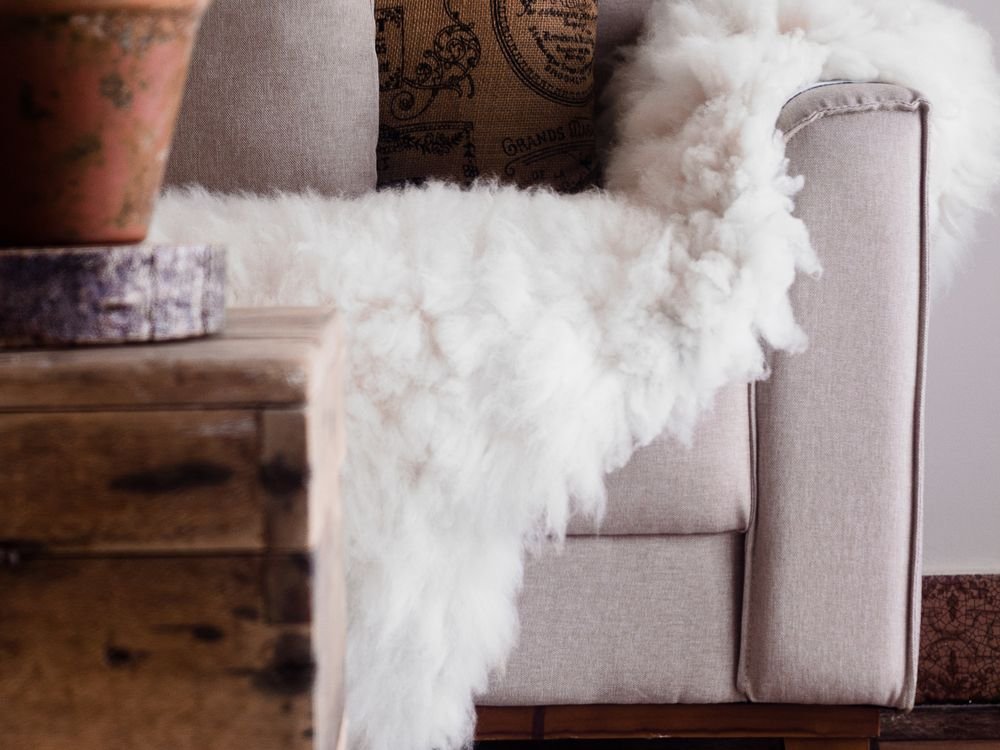
A throw blanket can add warmth and texture, but it also needs to work as a blanket. Choose a fabric that feels pleasant against your skin, suits your indoor temperature, and can be cleaned in a way you’ll actually manage. A chunky knit may be pretty, yet a lightweight washable cotton throw is sometimes the more practical option for a home with children or pets. Colour matters less than comfort and how the fabric works with the sofa.
Try it this weekend: Try folding a blanket over the back of the sofa or draping it across one arm instead of placing it in the middle of the seat. If it slips or becomes a nuisance, store it in a basket beside the couch. This is an easy no-spend experiment: move a blanket you already own and see where you and your household reach for it most often.
4. Add a rug that visually connects the seating area
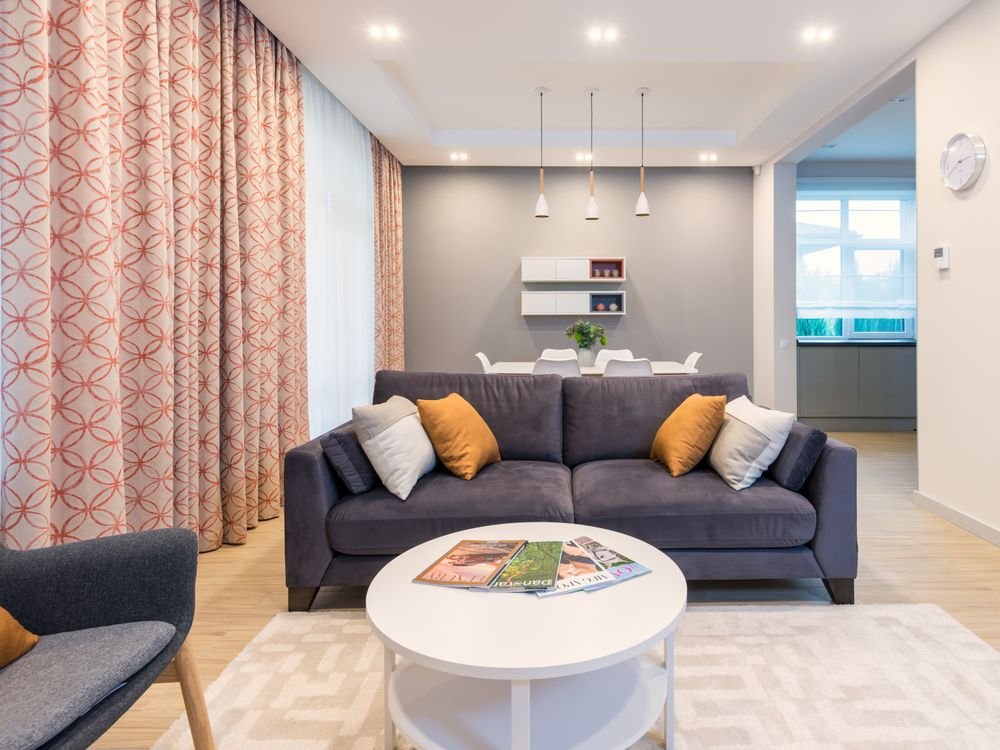
A rug can define a cozy seating zone, particularly in an open-plan apartment where the living room shares space with a dining area. Size is more important than a trendy pattern. A rug that is too small may look like a mat floating between furniture pieces, whereas one that reaches beneath the front legs of your main seating can help the room feel connected. Low-pile and washable styles are worth considering in busy households.
Try it this weekend: Use painter’s tape to outline a possible rug size before you shop. Walk around the taped area, open nearby doors, and check that chair legs won’t catch on its edge. If a new rug is beyond your budget, consider rearranging your current one to better anchor the sofa. Place an appropriate non-slip rug pad underneath where needed, especially on smooth flooring.
5. Create a small focal arrangement on the coffee table

You don’t need to cover every surface to make the room feel decorated. One carefully arranged coffee table or sideboard can carry the visual interest. Try combining a short stack of books, a shallow tray for the remote, and a small plant or vase. Different heights create a more relaxed arrangement, but leave enough clear space for drinks, snacks, and everyday use. A room that looks beautiful but has nowhere to set a mug is not particularly welcoming.
Try it this weekend: Start by taking everything off the table. Put back the useful essentials, then add one decorative element you already love. If you have a small table, a single tray may be enough. Avoid fragile pieces in spots where they could be knocked over. The best coffee table styling feels intentional without asking anyone to be careful every time they sit down.
6. Bring in a little greenery that fits your lifestyle

Greenery adds a natural shape that softens square furniture and works with many neutral colour palettes. One well-placed plant often makes more of a difference than several small accessories scattered around the room. Real plants require the right light and care, so choose them for the conditions in your home rather than their appearance on Pinterest. Low-maintenance options still have different watering and light needs, and some plants are unsafe for pets.
Try it this weekend: If you have suitable light, try placing one plant on a sturdy stand near a window and leaving the surrounding space uncluttered. If you travel frequently, have curious animals, or don’t have adequate daylight, a good-quality artificial stem may be more practical. Use a basket or simple pot that echoes another material in the room. A single green accent can make the space feel calmer without turning it into a jungle.
7. Make the wall art feel personal and appropriately sized

An empty wall doesn’t always need to be filled, but meaningful art can give a room its personality. Instead of buying a large set of generic prints, look through photographs from a favourite trip, an illustration you’ve made, or a print that reflects what you genuinely enjoy. One larger piece above a sofa can feel calmer than many tiny frames, provided its dimensions suit the furniture. A pair of related frames is another simple option.
Try it this weekend: Before putting any holes in a wall, cut paper templates to the dimensions of the pieces you are considering. Tape them in place and step back to see the proportions from the doorway. For a rental, check the lease and use hanging methods suitable for the wall and object weight. You can save money by reusing frames and updating what goes inside them.
8. Use baskets and trays to hide the clutter you actually have

It’s hard for a room to feel restful when chargers, mail, gaming accessories, and loose objects are scattered across every surface. The solution isn’t to hide everything indiscriminately; it’s to give common items sensible homes. A lidded basket beside the sofa can store blankets, while a small tray on a side table can collect a remote and charging cable. Choose storage that matches your habits, not a picture-perfect system that takes ten extra steps.
Give each container a narrow, memorable job. One basket can collect the extra throws that regularly land on the sofa; another might keep children’s puzzles together, but avoid hiding items you need every few minutes in an inconvenient box. Measure the available shelf or space beneath a table before buying anything, leaving enough room to grip the handles. If you find that a basket simply moves clutter from one surface to another, sort the contents first. The 15 home-organization ideas article offers routines that make storage easier to maintain, while our small-apartment guide explores keeping walkways and storage accessible.
Try it this weekend: Begin with one problem area, such as the floor beside the television. Sort everything there into items used daily, items that belong somewhere else, and things that can be donated or recycled. Then purchase storage only for what remains. Keep access to vents, outlets, and exits clear. When storage is easy to use, the room stays tidy with less effort.
9. Repeat a colour or material two or three times

One reason an inexpensive room can feel thoughtfully designed is repetition. A warm wood coffee table can connect visually with a wooden picture frame or a woven basket. A muted green cushion may echo the leaves of a houseplant, while a dark lamp base can relate to black frames. You don’t need a matching furniture set; you only need a small thread that connects the objects people see together.
Try it this weekend: Pick a colour or material already in the space and look for two places to repeat it. This may cost absolutely nothing if you move accessories from another room. Be careful not to match every object exactly, which can make the room feel rigid. Natural variations in texture, shape, and tone are what keep a simple palette interesting and comfortable.
10. Rearrange the furniture before buying more
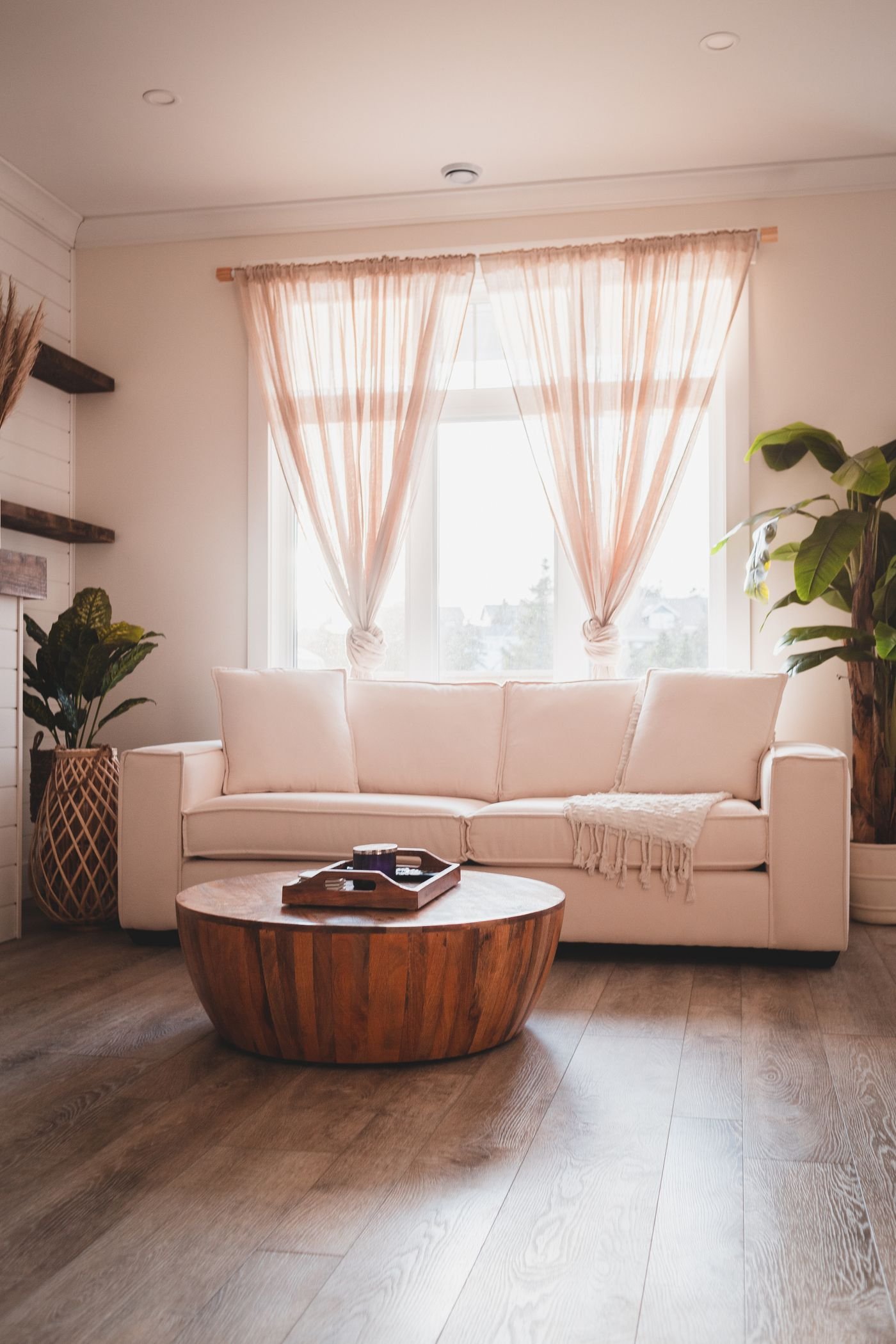
The most budget-friendly upgrade might be a new layout. A sofa pushed against the longest wall is not automatically the best choice, especially if it leaves a large gap between seats or blocks a walkway. Try moving a chair toward the conversation area, bringing a side table closer to where you sit, or shifting furniture so a window becomes the focal point. A room feels cozier when its layout supports the way people use it.
Try it this weekend: Take a photo before moving anything, measure larger pieces, and change one item at a time. Keep clear walking routes and don’t block doors, windows, or heating equipment. If a new position looks better but makes the room harder to use, return to the earlier arrangement. Decorating should solve problems, not create new ones. Your daily comfort is the final test.
A realistic two-day living room refresh
On Saturday morning, take a before photo, clear off the coffee table, and move any objects that don’t belong in the room. In the afternoon, try one furniture layout change and bring in a lamp or blanket from another room. On Sunday, restyle your sofa with the pillows you already own, choose one piece of personal art, and set up a storage spot for everyday clutter. If you still need something afterward, make a short shopping list based on the problems you actually noticed.
What I would avoid buying right away
I would skip tiny rugs that don’t connect any furniture, decorative cushions that have to be removed every evening, and matching accessories chosen only because they are on sale. Before purchasing a lamp, rug, or storage basket, measure the space and check practical details like cleaning instructions and return policies. A lower price isn’t a good deal if the item never works in your home.
Frequently asked questions
How can I make a living room cozy with almost no money?
Move lighting and blankets from other rooms, edit visual clutter, rearrange seating, and display a few personal photographs. These changes improve how the room feels without requiring a new furniture purchase. Try one adjustment at a time so you can tell which one genuinely helps.
Do I need to decorate in neutral colours?
No. Neutral palettes can be restful, but deep blue, warm terracotta, olive green, and other richer shades can be cozy too. The important thing is to choose colours you enjoy and repeat them in a few places. Comfort, lighting, and a functional layout matter more than following one colour trend.
What should I buy first for a cozy living room?
Buy only after you have tested the layout and used what you own. If evening lighting is the main problem, a well-placed lamp may be the best first purchase. If the floor feels cold or the seating looks disconnected, measure for a properly sized rug. Your answer depends on how you use the space.
Free printable: $100 Room Refresh Planner
Refresh the room without losing track of the budget. Use our free five-page planner to choose lighting, textiles and storage priorities before shopping.
Download the free five-page Room Refresh Planner (PDF) – no purchase required.
Final thought
You can make a living room feel warmer and more welcoming without changing everything at once. Choose two ideas from this list, try them for a week, and take a new photo. The best cozy living room ideas are the ones that make you want to spend time there. For related inspiration, browse our Home Décor and Small Spaces categories.