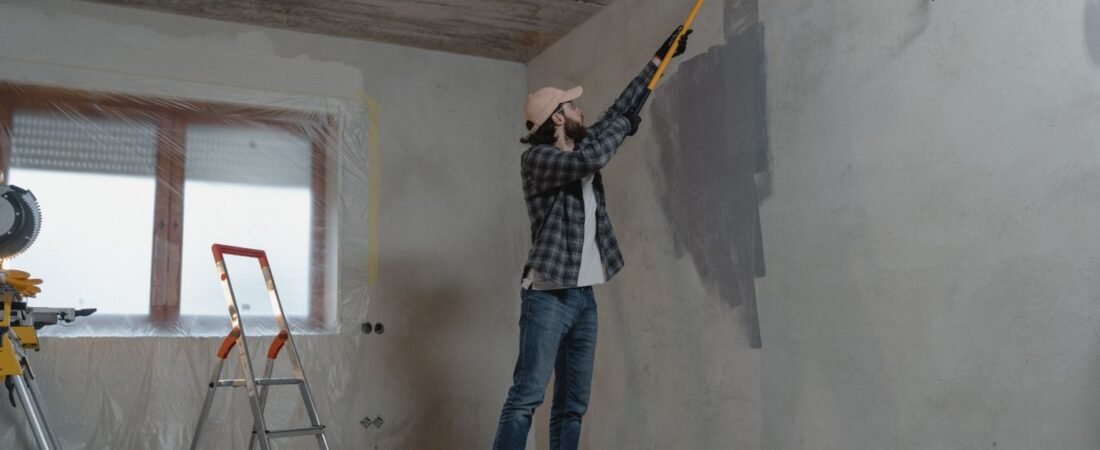
A home improvement doesn’t need a demolition plan to make the weekend feel productive. Sometimes the most satisfying changes are the small ones you notice every day: a drawer that opens smoothly, a desk with better lighting, or an entryway that no longer collects shoes. These approachable home hacks are meant for ordinary households that want improvements without turning the whole house upside down.
Before beginning, check your lease or building rules if you rent, and choose projects that match your tools and skill level. Anything involving electrical wiring, plumbing beyond basic maintenance, structural changes, or unfamiliar chemicals belongs with the appropriate qualified professional. These ten ideas focus on safer, manageable tasks you can plan, finish, and clean up over a weekend. You can choose just one; there is no need to work through the entire list.
Affiliate disclosure: This article may contain affiliate links. As an Amazon Associate I earn from qualifying purchases. Read our Affiliate Disclosure for more details.
1. Refresh an everyday wall with careful touch-ups
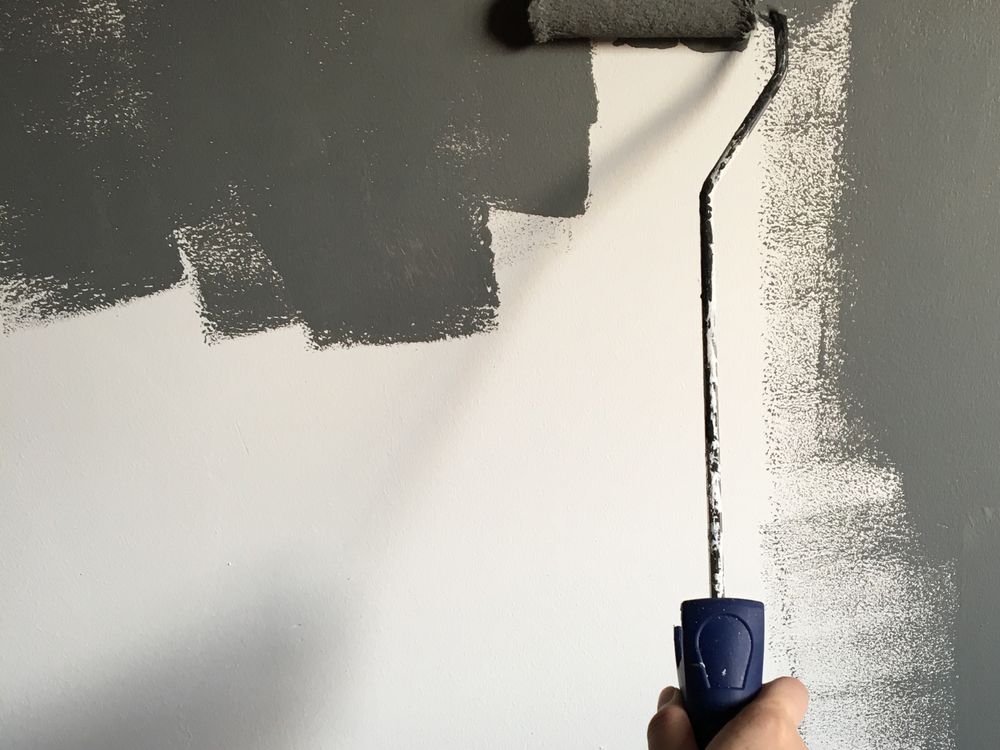
Small scuffs near light switches, a desk, or a hallway can make a room look more worn than it is. Start by cleaning the area gently according to the paint finish, because some marks come off without new paint. If touch-up paint is appropriate, confirm the exact color and finish and test a small hidden area first; an imperfect match can look worse than the original mark. Protect flooring and furniture, ventilate as directed, and allow proper drying time. Renters should seek approval before repainting or altering surfaces.
2. Adjust a sticky cabinet door

A cabinet that doesn’t close cleanly can be irritating every morning. Sometimes the problem is a loose screw or a small alignment issue with an adjustable hinge. Check the hinge instructions for your model, support the door, and make small changes rather than forcing anything. If the wood is cracked or the door is unusually heavy, stop and ask for suitable help. A careful adjustment can improve both appearance and function without replacing cabinetry. Always keep fingers clear of moving hinge parts.
Before reaching for a screwdriver, identify whether the problem is a loose hinge, a poorly aligned door or a swollen cabinet edge. Open and close the door slowly and check where it catches, rather than tightening every screw indiscriminately. If the hinges allow fine adjustments, follow the manufacturer’s instructions and make small changes that can be reversed. Stop if the cabinet is cracked or the door is unusually heavy; some jobs need professional help. A better-running cabinet can make the whole kitchen feel calmer without new furniture. Our kitchen organization guide gives practical ideas for the space inside, and renter-friendly upgrades explains permission checks.
3. Give the entryway a dependable storage spot
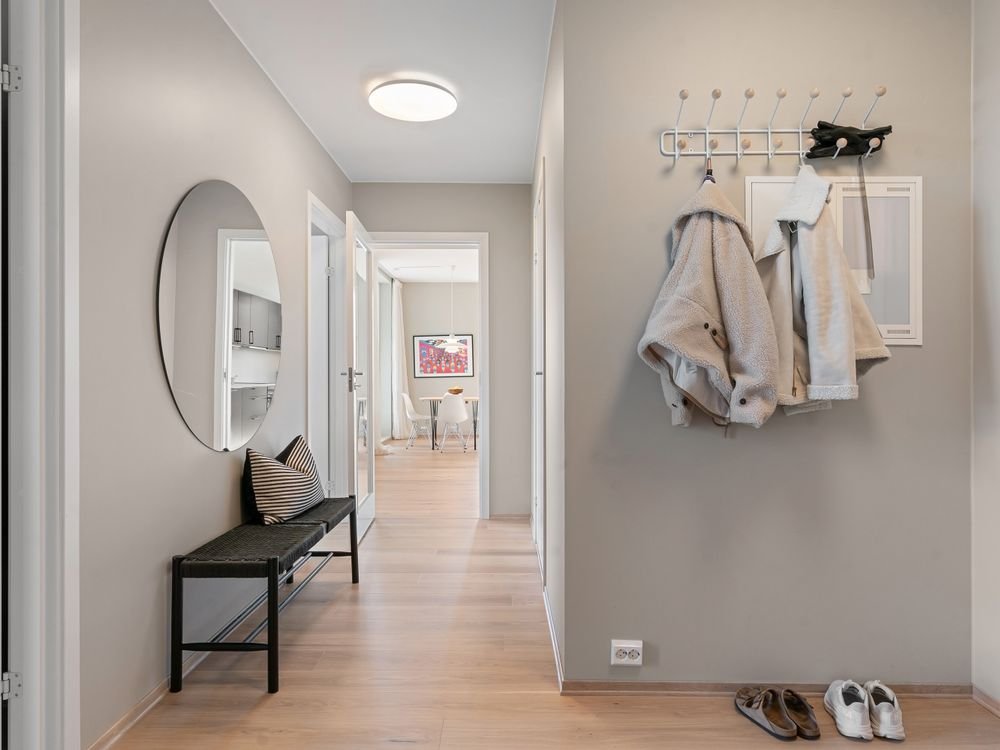
An entryway often looks messy because bags, shoes, and keys don’t have a convenient landing place. Empty the area, identify the things used daily, and place a shallow tray or basket where they naturally collect. If adding hooks, verify the mounting requirements and the wall or door’s capacity. A stable freestanding alternative may suit a rental better. Keep the route to the door clear, including when it swings open. This is a home improvement you can test in an afternoon before spending any money.
4. Replace a worn shower curtain and clean the fixtures

A bathroom can feel fresher when the shower curtain is clean, properly sized, and hung neatly. Wash or replace a tired curtain according to its care instructions, and clean the rod, rings, and nearby fixtures using products recommended for their finishes. Never mix cleaning chemicals, especially bleach with other cleaners. Check for signs of leaks or damaged caulking rather than hiding them behind new accessories. If there is persistent mold or water damage, consult your landlord or a qualified professional.
5. Improve the lighting in one useful corner
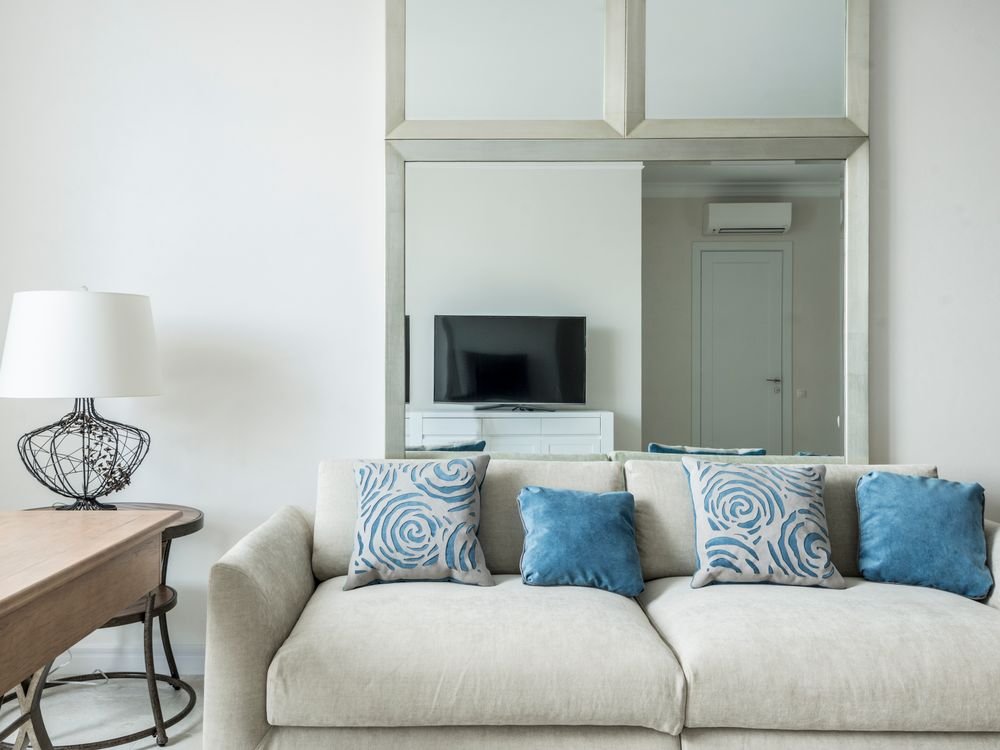
Choose a spot where you read, work, or prepare to leave the house, then assess whether the light is actually sufficient. Moving an existing lamp is often the simplest fix. A suitable LED bulb may improve energy efficiency and comfort, but check the fixture rating and any dimmer compatibility first. Avoid complicated wiring changes or improvised extension cords. A weekend lighting refresh can include cleaning dusty shades and repositioning a safe lamp rather than installing a new fixture. Evaluate it after sunset.
6. Organize an awkward cabinet with existing containers

Choose one cabinet that slows you down and remove everything from it. Wipe the shelves, group items by purpose, and place the things you use often at comfortable reach. Try an existing tray, box, or small basket before ordering organizers. Heavy items should stay on stable low shelves, and cleaning chemicals need appropriate secure storage. Measure the cabinet opening, not just its interior, if you decide a pull-out product would help. Restoring easy access is the improvement, even if no one notices the basket.
7. Make one wall display feel deliberate

An unfinished wall doesn’t necessarily need a whole gallery. Try a pair of related photographs or one framed piece that suits the furniture beneath it. Cut paper templates to test spacing and height before drilling. Use appropriate hardware for the wall construction and frame weight; adhesive strips have limitations and should not be assumed safe for every object. A weekend can be enough to gather photos, adjust the arrangement, and install a modest display. Choose art that’s meaningful rather than a matching set bought simply to fill space.
Optional product to compare (paid Amazon affiliate link): Command Large Picture Hanging Strips may work for lightweight framed art on approved wall surfaces. Read the instructions and verify the wall, frame and weight limits first. These strips are not appropriate for every paint, wallpaper or valuable frame. A well-arranged small display can also be created by rearranging art you already own.
8. Address an irritating cable tangle

Cords around a television or desk can look untidy and create tripping hazards. Unplug devices safely where appropriate, separate the cables, and route them so they don’t cross walking paths or get pinched behind furniture. Use suitable clips or ties, leaving enough slack for normal use and ventilation. Don’t conceal damaged cords, overload a power strip, or run extension cords through unsafe spaces. If an outlet or fixture seems faulty, contact an electrician rather than making a cosmetic cover-up. A safer, easier-to-clean setup is the real win.
Photograph the setup before unplugging anything, then identify which cable belongs to each device. Move low-voltage charging leads away from chair legs, doorways and hot surfaces; replace damaged cords rather than trying to hide them. Use a labelled, accessible arrangement instead of bundling power cables tightly where they can overheat. Surge-protector and extension-cord use should follow their safety instructions, and electrical work belongs to qualified professionals. For a desk that occupies multiple roles, our small-space furniture article offers layout considerations; for a more polished room with no new wiring, see cozy living-room ideas.
9. Reposition furniture for better circulation
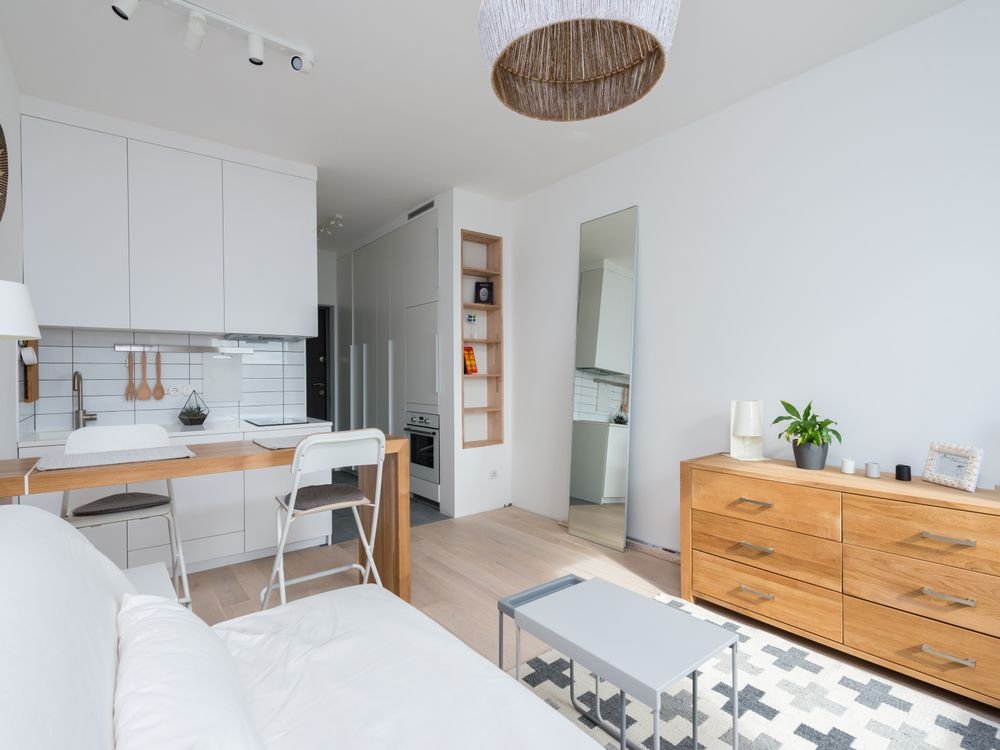
You can change how a room feels without purchasing a single thing. Photograph the current layout, then move one piece at a time to open a walkway or bring seating closer to where conversation happens. Measure before lifting heavy furniture and ask for help when an item could strain your back or damage the floor. Use suitable floor protectors for the surface. Keep vents, exits, and doors unobstructed. Live with the new arrangement for a few days before deciding whether another furniture purchase is necessary.
10. Make an overlooked windowsill feel useful again

A neglected windowsill or the small area beside it often needs less work than a complete makeover. Remove items that block the window, wipe the surface, repair only minor non-electrical issues within your skills, and check whether curtains, blinds or furniture need to be repositioned. Keep the opening accessible and avoid crowding radiators, cords or ventilation outlets. One suitable decorative object is usually better than a collection that has to be moved every time you open the window. If you already keep a plant there, make sure its care needs suit the available light instead of purchasing a new one just for the photograph. A cleaner, brighter corner is a satisfying indoor weekend project.
How to plan a satisfying two-day project
On Friday evening, choose one or two tasks and gather the tools, materials, and protective supplies you already have. On Saturday, complete the messy or hands-on work early enough to allow ventilation, drying, or cleanup. On Sunday, return everything to its place and check whether the improvement actually makes everyday life easier. A single finished project usually feels better than five abandoned jobs. Leave extra time for surprises, especially if you’re working in an older home.
The best project might be a no-spend one
Before buying paint, hooks, baskets, or accessories, ask whether cleaning, rearranging, or reusing something would solve the problem. A newly organized cabinet or better furniture layout may make a bigger difference than a cosmetic purchase. If you do shop, check complete costs and whether the product fits the space. Don’t purchase specialist tools for a one-off project before considering whether borrowing or hiring help is more appropriate.
Safety and permission checklist
Stop if a task involves uncertain wiring, structural elements, persistent leaks, hazardous materials, or a wall that may contain hidden utilities. Don’t mix cleaning agents, and follow manufacturers’ instructions on ventilation and protective equipment. If you rent, get permission for alterations that affect the property. When working above floor level, choose suitable equipment and get help rather than balancing on an unstable chair. These steps may be less exciting than the before-and-after photo, but they’re essential.
Frequently asked questions
Which weekend home improvement makes the biggest impact? It depends on what’s bothering you most. Opening a cramped walkway, adding useful lighting, or fixing a commonly used cabinet may all improve daily comfort. What if you only have an hour? Focus on one drawer, a tabletop, or an entry basket. Is every DIY project renter-friendly? No. Cleaning and removable arrangements usually offer more flexibility than drilling, painting, or altering installed fixtures.
Free printable: $100 Room Refresh Planner
Plan your weekend room improvement with a manageable checklist, a 100-unit budget worksheet and a seven-day review.
Download the free five-page Room Refresh Planner (PDF) – no purchase required.
Find the next small win
Start with a manageable project and compare the space before and after in ordinary daylight. If it works, repeat the approach elsewhere rather than rushing into a larger renovation. Browse Home Hacks for more small improvements and Organization for routines that keep the results looking good.