
You can refresh the feeling of a room without saving for new furniture. Small changes to lighting, textiles, hardware, and the way you display everyday objects can make a home feel more intentional. The trick is to choose upgrades that solve a problem rather than spending your entire budget on small decorative pieces that don’t work together. A well-placed lamp or a useful tray may matter more than five matching ornaments.
These affordable home decor upgrades are ideas to investigate within a $50 spending limit, not verified price quotes. Prices differ between Canada and the United States, and shipping, tax, size, or quality can push an item over budget. You might find some options secondhand or already in your home. Start by choosing one problem area, setting a firm total budget, and checking current local prices before buying.
Affiliate disclosure: This article may contain affiliate links. As an Amazon Associate I earn from qualifying purchases. Read our Affiliate Disclosure for more details.
1. Swap pillow covers instead of buying whole cushions

If your sofa cushions are still comfortable, replacing just the covers can give the room a different palette without buying new inserts. Measure the existing cushions carefully and choose fabric you can wash or clean easily. One accent cover beside two quiet, solid-colored pillows often looks more deliberate than a full matching set. Shop your linen closet first: a cover from another room may bring the change you wanted at no cost.
2. Add a small, warm table lamp
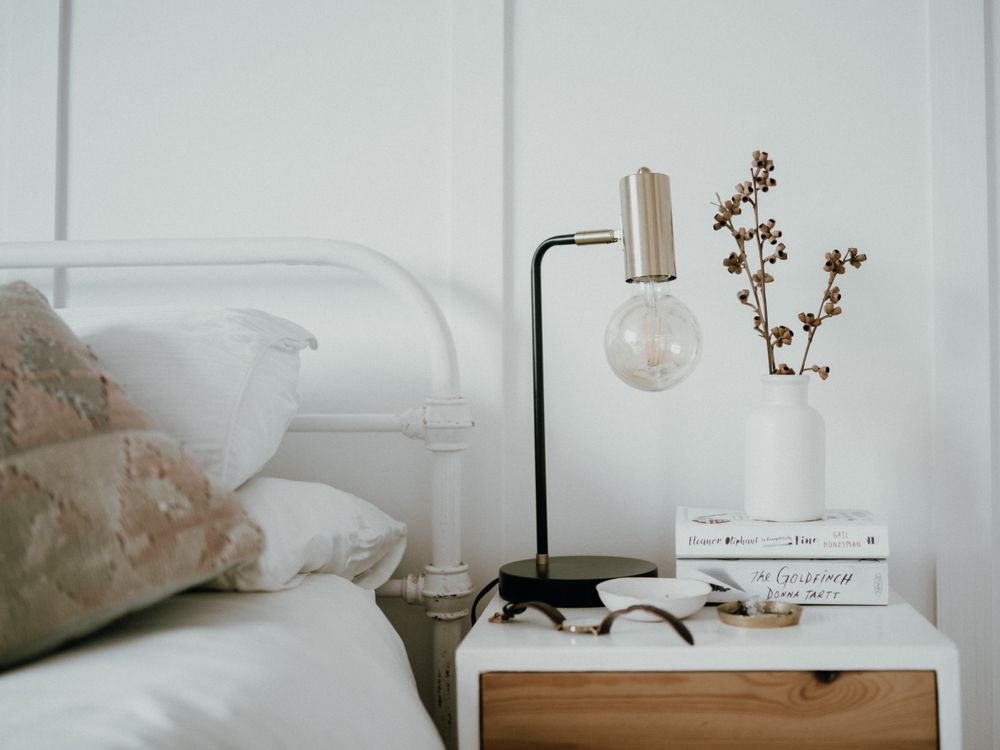
A compact lamp can soften a corner that looks stark after sunset. Consider the surface available, the type of bulb it accepts, and where the cord will safely reach an outlet. The right lamp should make an activity more comfortable, whether that’s reading on the sofa or finding your way to the hallway. Try a lamp you already own for a few nights before shopping. If you buy secondhand, inspect its cord, plug, stability, and condition.
3. Refresh a plain wall with one framed print

You don’t need a costly gallery wall to make a room feel personal. A single meaningful photograph or original print in a suitable frame can anchor a blank area. Look at frame size and proportion before price, and use paper templates to see how a print will fit above furniture. An inexpensive frame can look polished if the mat and image are well chosen. Follow appropriate hanging instructions, especially when mounting something above seating or a bed.
Before buying frames, measure the wall space above the furniture and make a paper rectangle in the intended dimensions. One taller print can be easier to balance than several little frames that never quite line up. For an optional hanging solution, compare the Command large picture hanging strips (paid Amazon link), but follow the manufacturer’s exact weight limits, surface preparation and removal instructions—adhesive strips are not appropriate for every wall or finish. You can get more arrangement ideas from our bedroom styling guide without pretending that a low price guarantees a good fit.
4. Use a tray to organize a busy tabletop
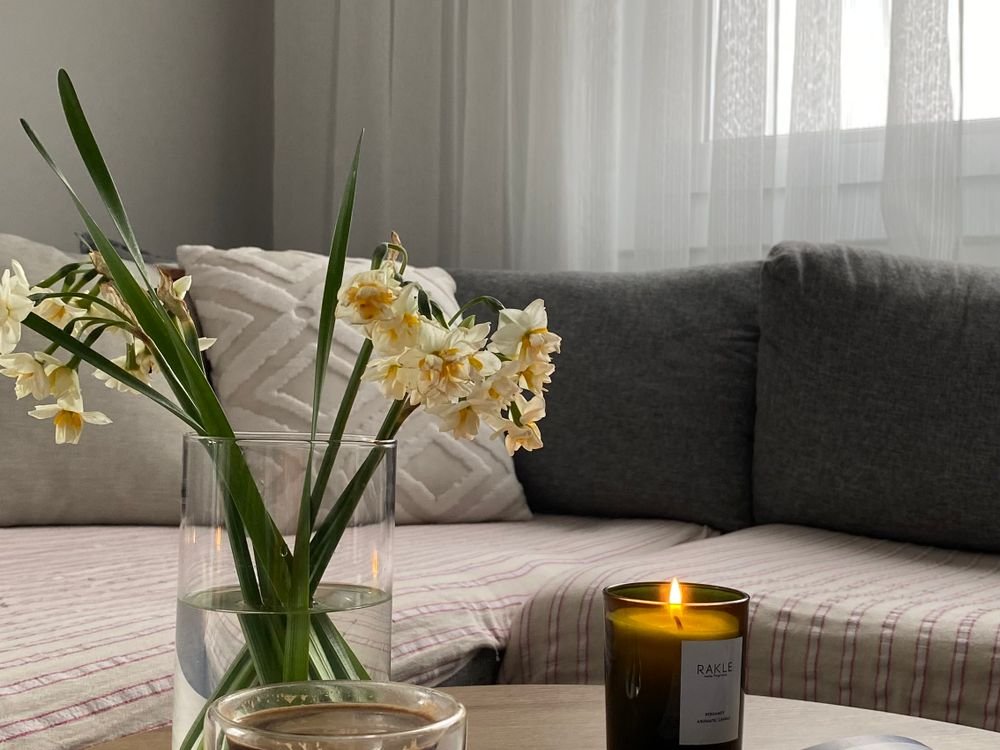
A shallow tray can collect remotes, coasters, hand lotion, or keys without hiding things you’ll need again later. Choose a finish that relates to the nearby furniture: wood, ceramic, woven material, or a simple metal tone. Before purchasing, try arranging the objects on a plate or old serving tray you already own. If the table still feels crowded, remove some items first. A tray is a useful editing tool, not permission to keep everything out.
5. Bring in a low-maintenance plant or branch

A little greenery can add texture and an organic shape to a room filled with hard edges. Check the light conditions and pet-safety considerations before choosing a live plant. You could also arrange safe garden branches or dried foliage in a simple vase, provided they’re clean and appropriate for indoor use. A small plant becomes a stronger focal point when the surrounding surface is uncluttered. Avoid buying multiple plants just to recreate a photograph.
6. Replace a worn bath mat

A tired bath mat can make an otherwise clean bathroom look unfinished. Choose a size that fits the space without catching the door, and make sure it is appropriate for wet floors. Washability and slip resistance are more important than a trendy texture. If your existing mat still works, washing it thoroughly and simplifying the countertop may deliver a similar refresh. Small practical changes often produce more daily satisfaction than decorative bathroom accessories.
7. Use a textured throw in the living room
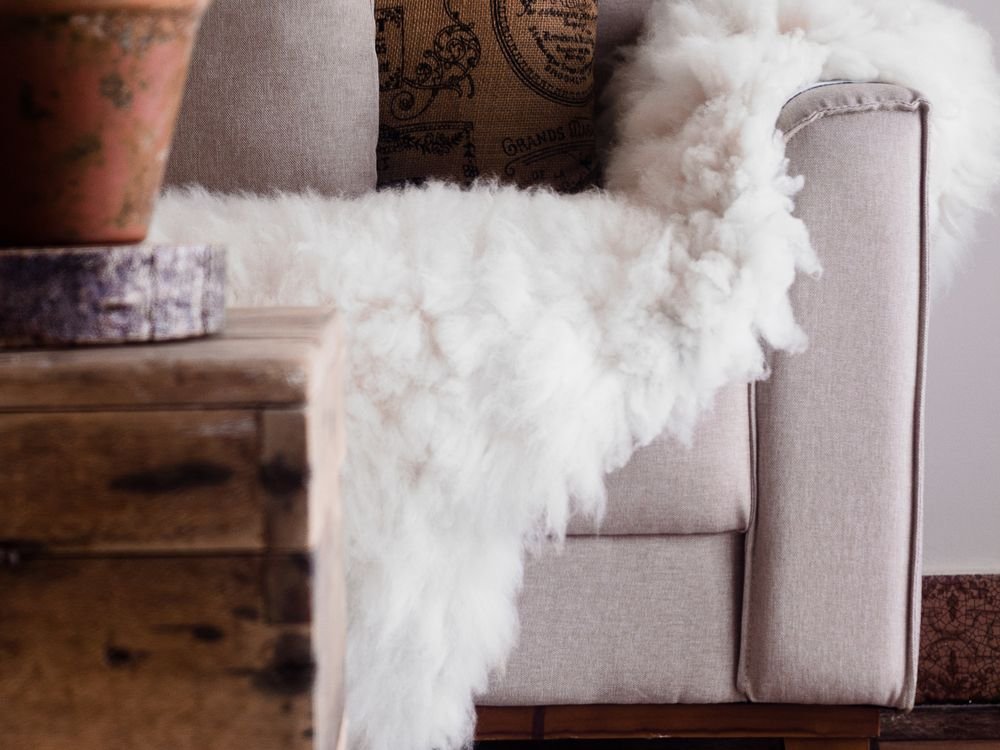
A throw can add color and comfort to an ordinary sofa, especially if you already like the upholstery but want a softer look. Pay attention to fabric feel, washing instructions, and size rather than buying by photograph alone. A lightweight blanket may be easier to maintain than a thick knit. Try placing a blanket from a bedroom across one sofa arm for a week first. If you use it regularly, you’ll know the purchase would have a real purpose.
8. Coordinate two small picture frames
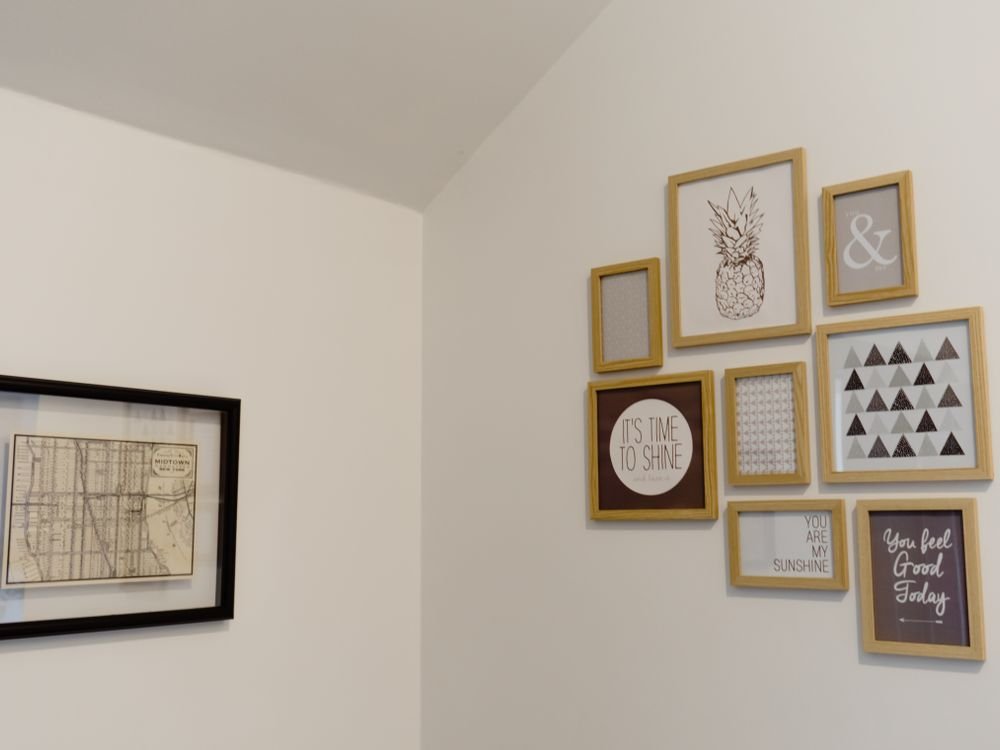
A matched pair of frames can bring structure to a shelf or dresser, even if the photographs inside are different. Use travel memories, family scenes, or your own illustrations so the result is personal rather than generic. Keeping the frame finish the same is one inexpensive way to make a collection feel unified. Check whether you have unused frames tucked away before buying. The image matters more than an elaborate border, and plenty of blank surface around it helps.
9. Add a basket where clutter collects

If blankets land on the floor or magazines spread over the coffee table, a basket can make the area easier to reset. Measure both the contents and the spot where it will sit. Look for a shape that’s easy to reach into and a material that won’t snag fabrics or scratch floors. An existing storage bin can help test the location. Don’t buy a basket just because it looks attractive in a corner; buy one when it gives everyday objects a reliable home.
10. Change a lampshade, not the whole lamp

If a lamp works well but looks dated, a different shade may soften the light and update its silhouette. Check the fitting type, shade dimensions, bulb clearance, and safe materials before buying. Not every shade will work with every base. A simple neutral shade often complements more colors than a bold patterned one. If the lamp is damaged or has faulty wiring, don’t treat a cosmetic change as a repair. Electrical safety comes before decorating.
Treat this as a fit-and-safety check, not simply a colour purchase. Note the existing shade’s top and bottom widths, height, fitting type and clearance from the bulb. A shade that looks inexpensive online can become costly if it needs a new harp or adapter, or unsafe if it sits too close to a heat-generating bulb. If the existing lamp is fine, consider moving it to a different surface first. For lighting ideas that do not require replacing fixtures, see our cozy living-room guide. Renters can also use the more cautious suggestions in renter-friendly home upgrades.
11. Refresh cabinet handles where permitted
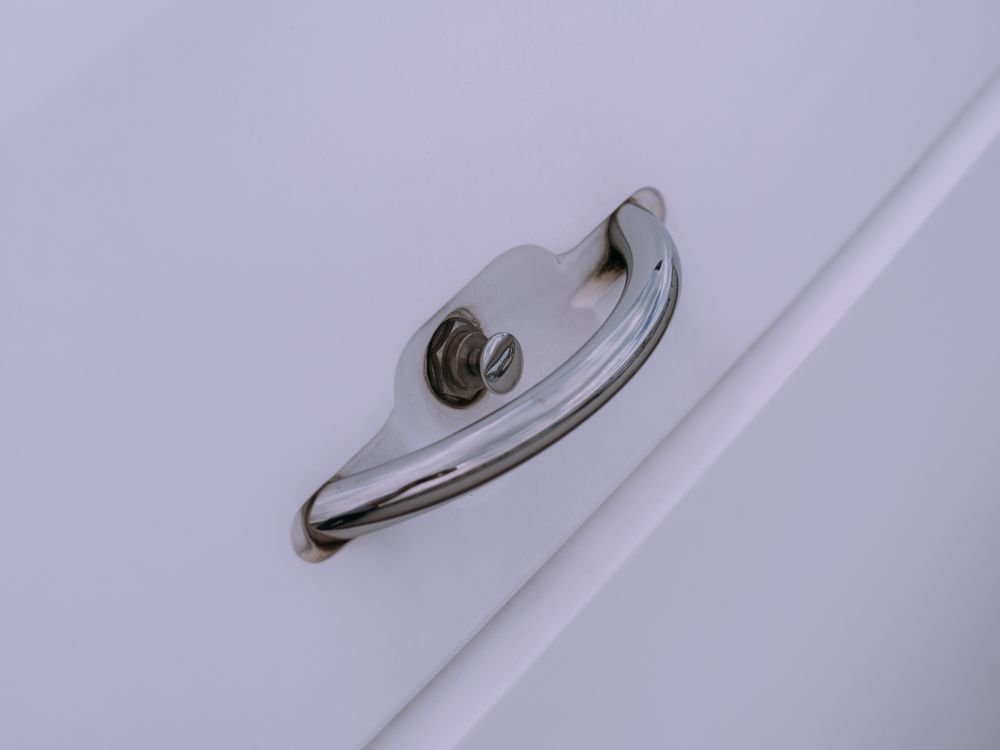
Cabinet pulls can alter the look of a dresser or bathroom vanity without replacing the furniture. Measure the distance between existing screw holes and keep the original hardware in a labeled bag. Renters should confirm that changes are allowed, and avoid drilling new holes where it would damage the finish. A few carefully chosen handles may create more continuity than purchasing extra decor. Check that every handle sits securely and is comfortable to grip.
12. Add a small mirror in the right position
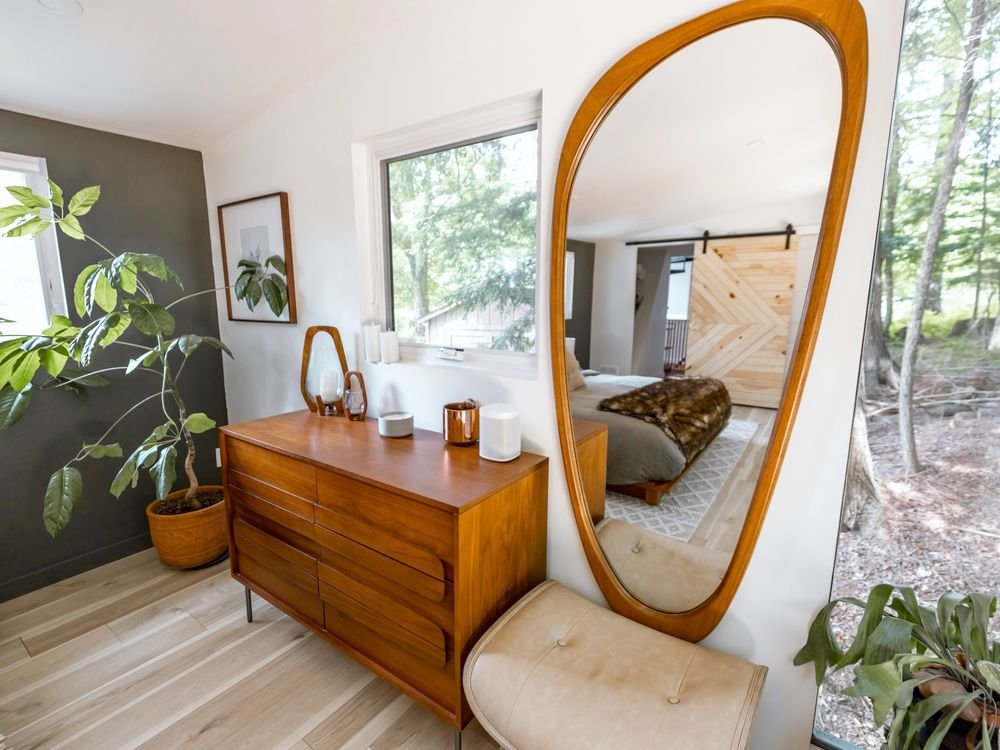
A well-positioned mirror can reflect daylight and give a compact hallway or bedroom a little more visual depth. The frame can be simple because scale and placement do most of the work. Hold an existing mirror in possible locations before choosing a new one, and check what it reflects. A mirror aimed at an untidy storage area won’t create the calming effect you want. Mount it securely using hardware suitable for its weight and the wall.
13. Try a washable table runner

A runner can make a dining table feel dressed without hiding all of the wood or making the surface difficult to use. Select a length that fits your table rather than one that hangs awkwardly into chairs. Machine-washable fabric is especially useful in everyday dining areas. A neutral runner with a small plant or bowl often looks more welcoming than a crowded arrangement. You can also repurpose a suitable textile from another part of your home.
14. Tidy the desk with a small organizer

Home offices are often visible from a living room or bedroom, so a messy desktop can affect the whole space. A pencil cup, shallow tray, or drawer insert may be enough to corral supplies. Sort first, then choose the smallest organizer that handles the items you use every day. An attractive desktop isn’t helpful if it leaves no room for working. Keep the center clear and place accessories within easy reach instead of arranging them solely for a photograph.
15. Make a simple seasonal change
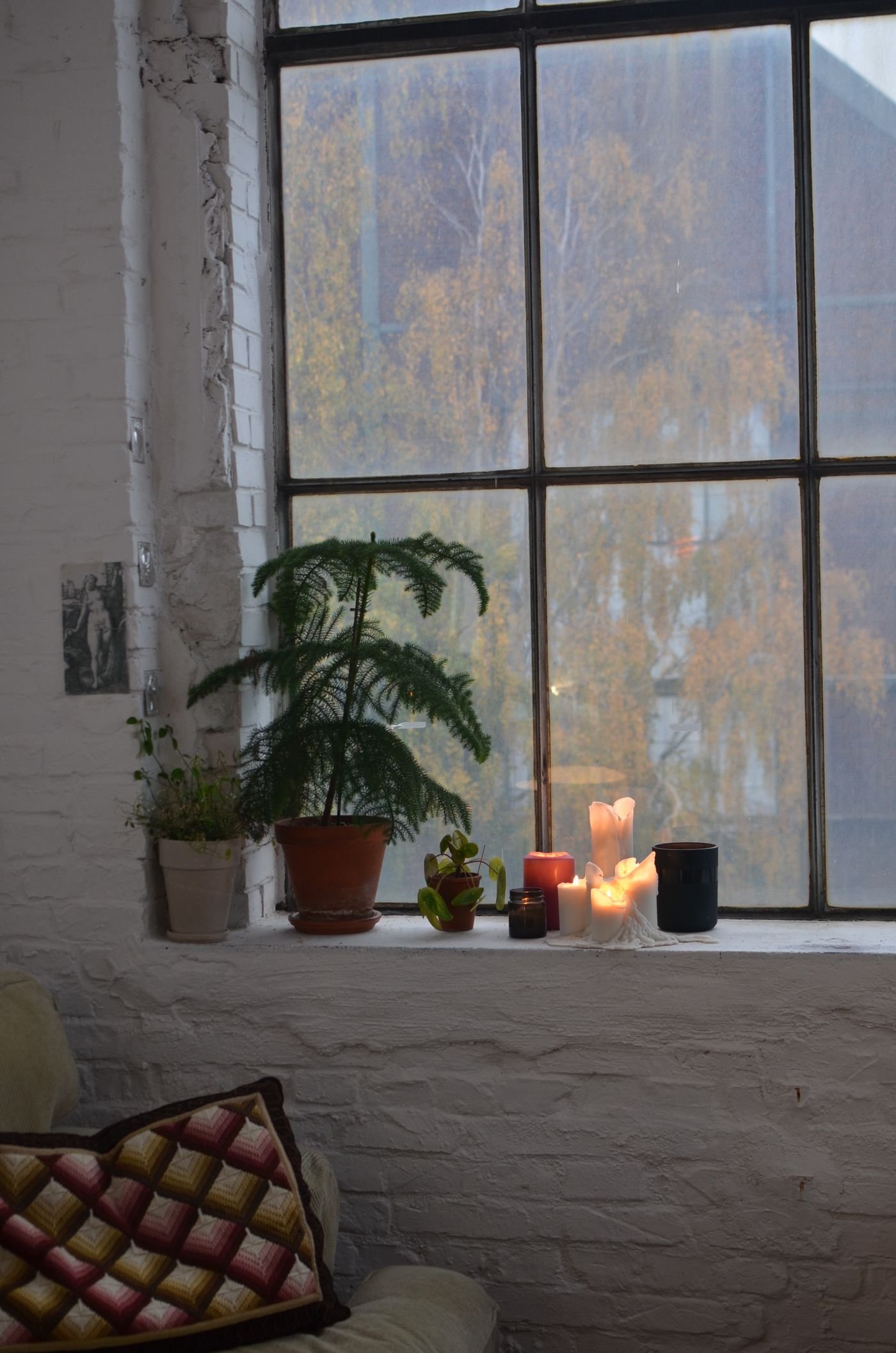
A new season doesn’t have to mean a complete new set of decorations. Switch a cushion cover, bring a different book to the coffee table, or change the stems in a vase. Repeating the same base colors helps your seasonal objects blend into the room without creating extra clutter. Store fragile pieces safely and resist buying more than you have room to keep. Even a small change near the entry can make home feel fresh.
16. Spend the budget on one real inconvenience

If your room is uncomfortable because the lighting is poor, buy a practical light before decorative accessories. If there’s nowhere to hang coats, solve the entryway problem. The strongest budget upgrade is the one you notice every day rather than the one that looks most impressive in a shopping list. Make a shortlist of problems, decide which single item could fix one, and compare dimensions and quality. Unspent money is a valid outcome.
How to stay under $50
Decide whether the budget includes taxes, shipping, and any tools or hardware before you begin. Look at local stores, secondhand listings, and things you already own. Measure the space and compare the complete cost rather than the headline price. Some items will be more expensive in certain regions, so swap them for alternatives or wait rather than assuming a product belongs under the limit. There is no prize for spending the full budget.
Make changes Pinterest readers can actually use
Choose one idea and show it in three stages: the problem area, the small change, and the finished result in ordinary light. This makes a decorating tip more useful than a styled photograph without instructions. For a living room, for example, show the same corner before and after moving a lamp and editing the coffee table. Honest details help readers decide if an idea could work in their own homes.
Frequently asked questions
Which home decor change has the biggest impact for the least money? Often lighting, decluttering, and rearranging what you own. Should you buy matching accessories? Only when they serve a purpose and fit the room. What if a product is listed above $50? Treat the figure as a spending ceiling and choose a different option, buy used, or postpone the purchase. No decorative upgrade is worth straining your budget.
Free printable: $100 Room Refresh Planner
Make the most of a limited decorating budget using our five-page planner. You can adjust the worksheet for a $50 refresh or a $100 room update.
Download the free five-page Room Refresh Planner (PDF) – no purchase required.
Keep exploring
A pleasant home doesn’t need to be expensive or constantly updated. Start with comfort and function, then add the details that feel personal. Read our Home Decor inspiration and explore the Budget Finds collection for more ideas you can evaluate at your own pace.