
A small kitchen can feel crowded even when you don’t own very much. Counter space is limited, cabinet shelves are oddly shaped, and the items you use several times a day end up competing with appliances that only come out once a month. Organizing a small kitchen is less about finding clever gadgets and more about placing everyday tools where they’re comfortable to use. A few simple changes can make cooking feel less like a game of moving things around.
Start by looking at your routine, not the contents of a perfectly styled pantry. Where do you chop vegetables, make coffee, wash dishes, and unpack groceries? Keep supplies near those activities, and give each busy area room to function. These ideas are useful in small apartments, compact houses, and rental kitchens with limited options for permanent changes.
Affiliate disclosure: This article may contain affiliate links. As an Amazon Associate I earn from qualifying purchases. Read our Affiliate Disclosure for more details.
1. Clear one practical preparation zone

A small kitchen needs at least one clear place to prepare food, even if it isn’t a large island. Choose the stretch of counter that feels most comfortable for chopping and mixing, and move decorative accessories away from it. Keep a cutting board and a few frequently used tools within reach. Avoid storing anything that blocks the sink or stove. If you’re always shifting jars or appliances before cooking, the counter is telling you that some objects need another home.
2. Group tools by cooking activity
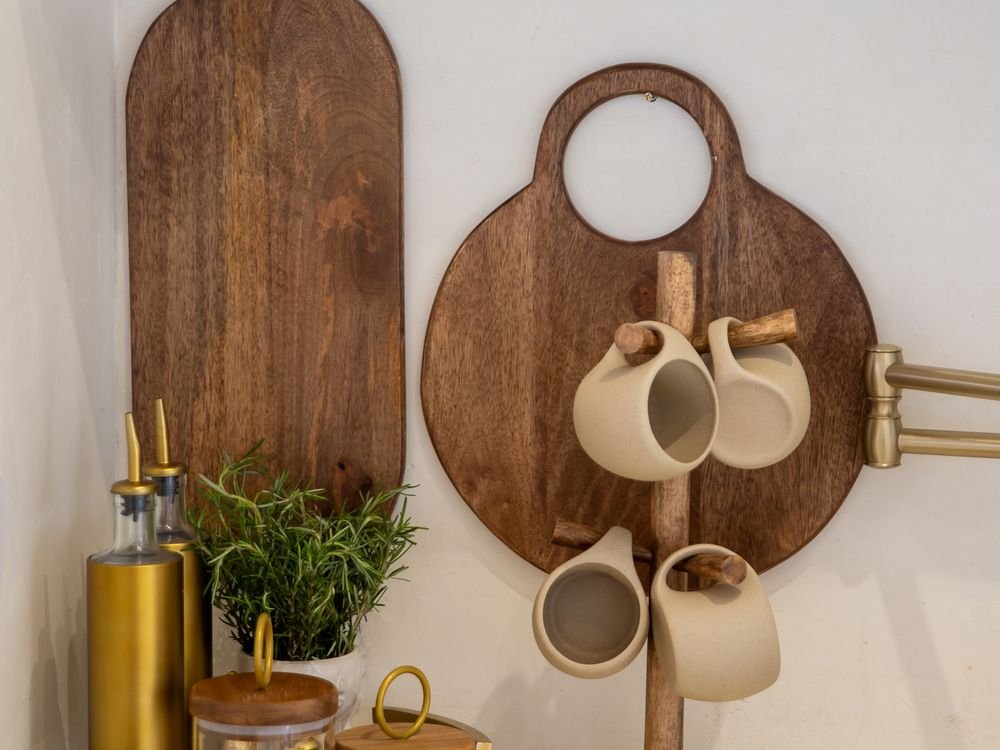
Instead of separating everything solely by material or color, arrange everyday tools near the task they support. Cooking spoons and spatulas may belong near the stove, while measuring tools belong near mixing bowls. Keep sharp knives safely stored and out of reach of children. Try the setup for a week before buying a countertop organizer. When an object consistently gets left in another spot, it’s a clue that the original storage location is inconvenient.
3. Store appliances based on actual frequency

An appliance you use daily may deserve a dedicated, safe counter space. One you use twice a year probably doesn’t. Make a list of small appliances and how often you reach for each, then place occasional items in accessible cabinets or other appropriate storage. Consider their weight before moving them to high shelves. Follow manufacturer requirements for ventilation and clearance while in use. Less visible equipment can make a compact kitchen feel significantly easier to work in.
4. Put plates and glasses close to where they are washed

Unloading dishes takes longer when every plate and glass has to travel across the room. If cabinet layout allows, store daily dishware near the dishwasher or drying area, with heavier stacks at a comfortable height. Rarely used serving dishes can move farther away. Avoid overstacking breakables or making a shelf so crowded that one item knocks over another. Convenience is what allows a tidy kitchen to stay tidy during a rushed morning.
5. Reorganize a pantry by the meals you make
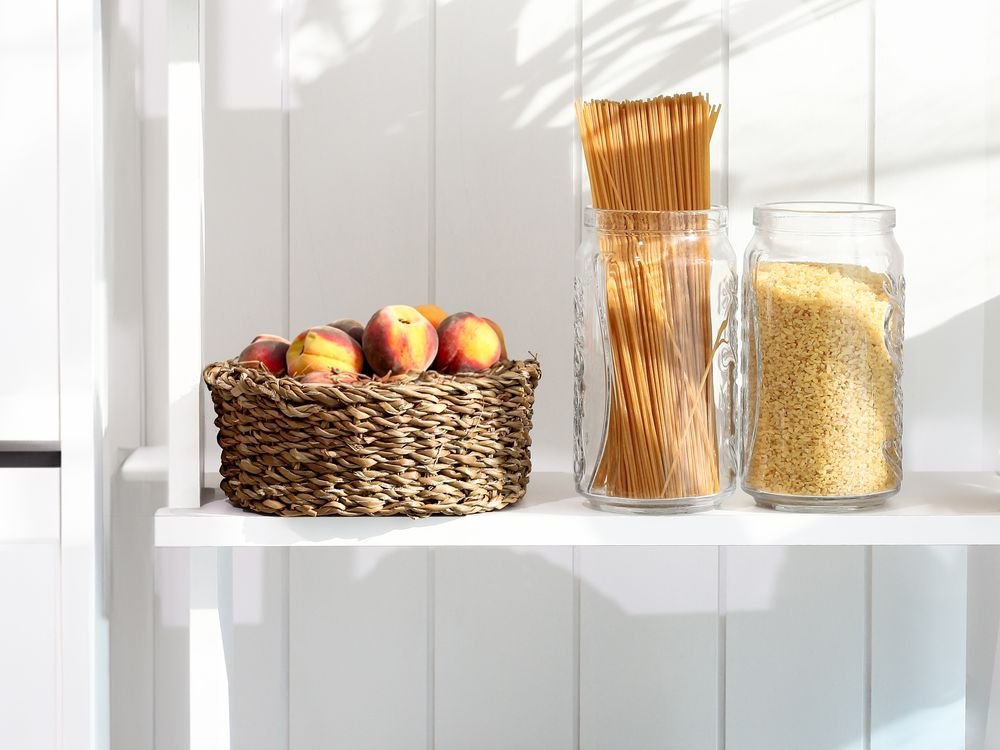
A pantry grouped by breakfast, cooking basics, baking, and snacks may be easier to use than one organized purely by container size. Put the most-used categories near eye level, and keep older unopened food toward the front so it gets used first. Check dates as you go, and don’t decant items into unlabeled jars just to create a uniform look. Original labels often contain cooking instructions, allergen information, and expiry details worth preserving.
Give your regular meals priority over the neatness of a product label. If you cook pasta twice a week, keep the pasta, sauce and compatible utensils where you can see or reach them together; put occasional baking ingredients elsewhere. Use labels readers can understand at a glance, and preserve any original package information that contains expiry dates, ingredients or allergen warnings. Before spending on containers, count the usable shelf depth and leave room to pull items forward. Our broader home-organization guide describes the same routine-based approach in other rooms. For organizing solutions to evaluate after measuring, see budget-conscious home essentials.
Optional product to compare (paid Amazon affiliate link): Vtopmart 8-Pack Food Storage Organizer Bins can help separate packaged seasonings, snack packets and small pantry items. These are sectioned organizer bins, not airtight containers for unpackaged food. Measure your shelf height and depth first, and check the product variation and current delivery details on Amazon. We have not personally tested this product.
6. Use shelf risers only where they solve a problem

A cabinet riser can give short mugs or canned goods another level, but it also reduces access if the shelf is already low. Measure the cabinet height and the objects you intend to store before buying. Test with a sturdy existing tray or temporary arrangement to see whether the extra layer helps. A new organizer shouldn’t make you crouch or remove three items whenever you need the one behind. In a tight kitchen, easy access matters more than packing efficiency.
7. Keep lids with a predictable pot and pan system

Pan lids are awkward because they’re broad, flat, and frequently in the way. If your cookware stacks safely, use an appropriate lid rack or divider inside a cabinet. Alternatively, store each lid near the pot you use it with. Avoid precarious tall stacks that can fall when a cabinet opens. You may find you own more lids than cooking vessels you regularly use. Simplifying the cookware collection may create more space than buying a new holder.
8. Make the inside of a cabinet door useful, cautiously
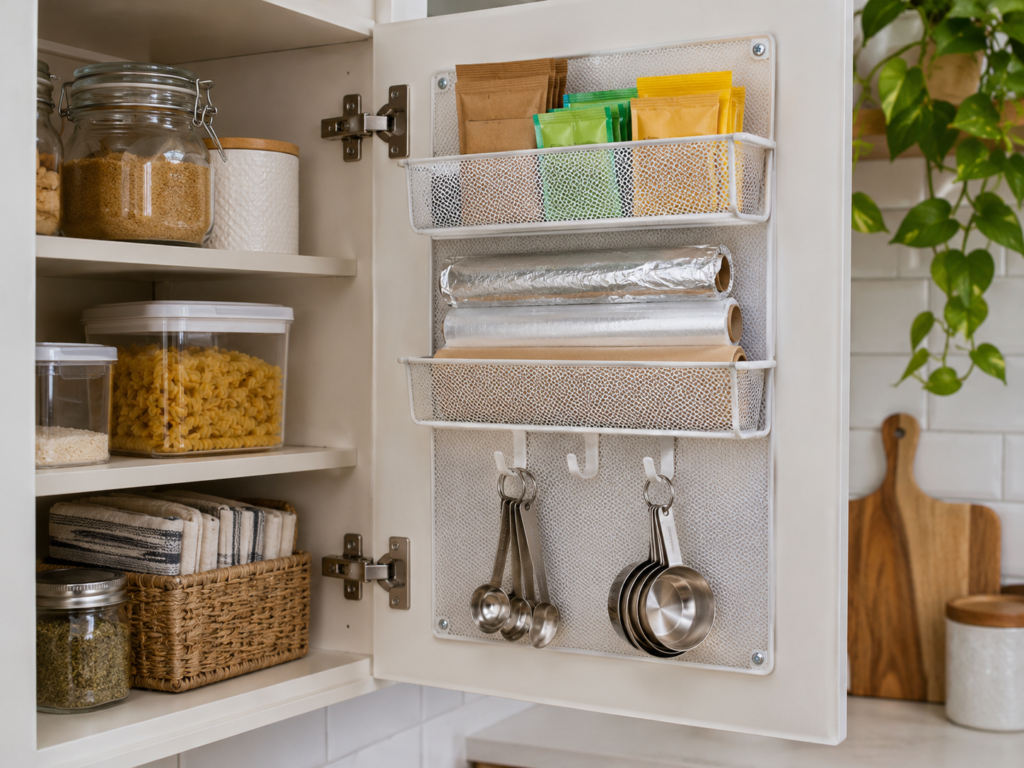
The inside of a cabinet door can sometimes hold lightweight measuring spoons, small towels, or other safe items, but hinges and clearances have limits. Check whether an added hook would stop the door from closing or strike shelves inside. For rentals, verify whether adhesive hardware is allowed, and avoid hanging breakable or heavy objects. An organizer is only useful if the cabinet still opens normally and doesn’t damage its finish over time.
9. Use drawer dividers for categories rather than exact outlines
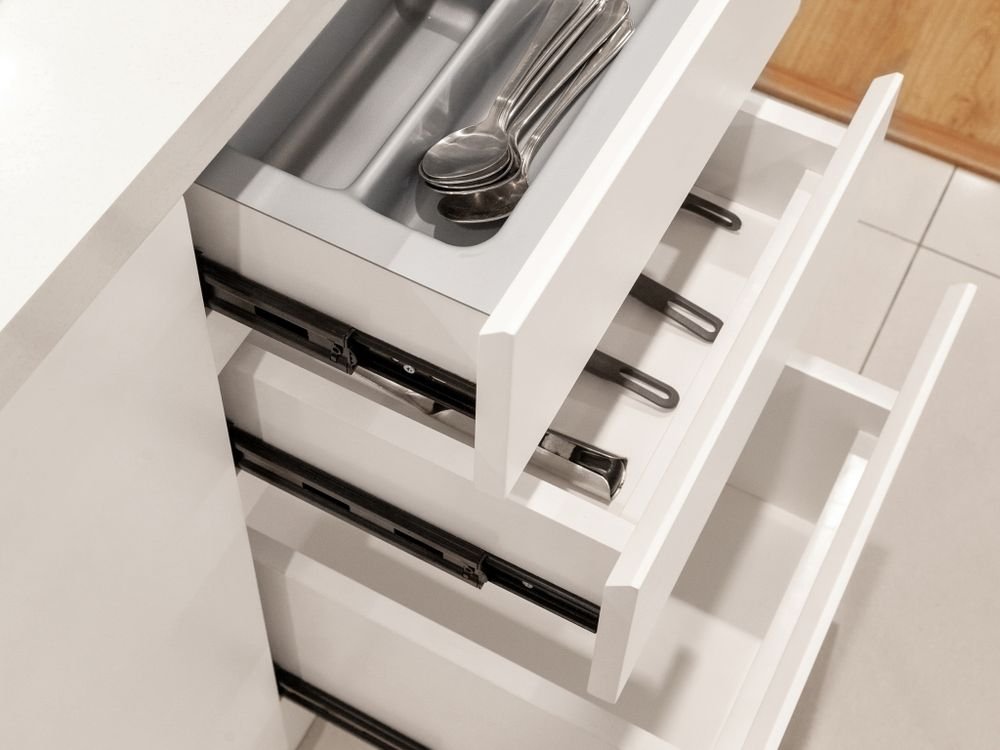
A utensil drawer doesn’t need a custom-fitting organizer for every fork. A few adjustable dividers can separate everyday cutlery, cooking tools, and small accessories. Begin by removing duplicates and anything that belongs elsewhere, then measure the usable inside dimensions. If the drawer is shallow, pay attention to the height of the dividers as well as their width. A simple arrangement that is easy to clean is often more durable than intricate inserts.
Instead of buying an organizer that perfectly fits the objects in a staged photograph, make a simple inventory of the utensils you use each week. Place the daily tools together, then measure the drawer interior at the narrowest point, including any internal rails or hinges. A fixed tray with attractive wide slots may still fail if your spatulas are longer than the compartments. If you want a flexible design, verify the expandable range and whether the sections stay stable when the drawer opens. Our space-saving furniture guide explains measurement mistakes in larger purchases. Renters can find reversible alternatives in renter-friendly home upgrades.
10. Store baking trays and boards vertically when stable
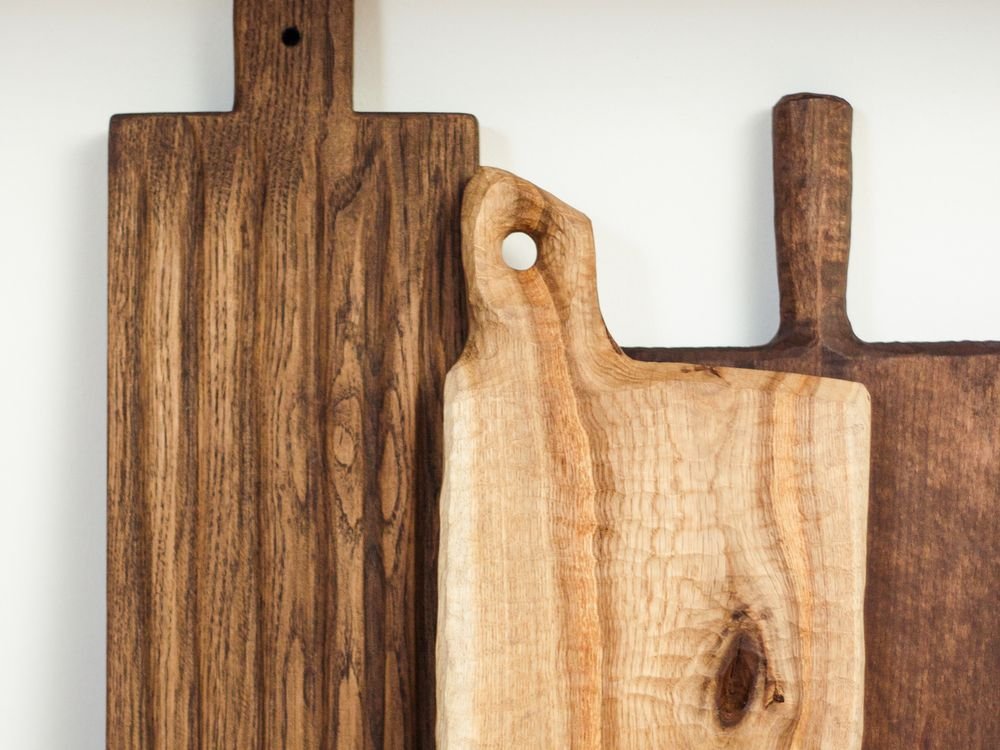
Flat baking sheets and cutting boards can become a frustrating pile at the bottom of a cabinet. A sturdy divider that allows them to stand upright may improve access, provided it fits the cabinet and prevents pieces from tipping. Put heavier objects low and do not wedge boards where they could fall out when a door opens. If you own several identical pans that rarely get used, keep the most useful sizes and consider donating the extras.
11. Give cleaning products a secure, contained home
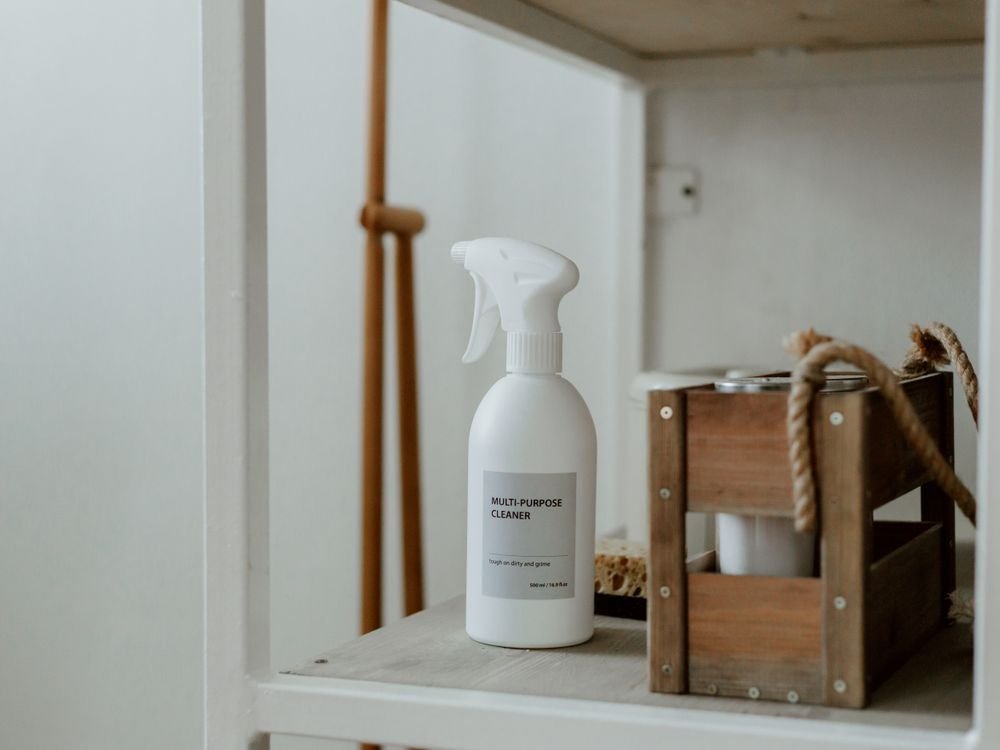
Kitchen cleaning supplies often migrate between the sink, counter, and laundry area. Group them in a wipeable container or appropriate cabinet, following their labels and keeping them inaccessible to children and pets. Never combine cleaning products or transfer chemicals into unmarked food containers. Avoid storing hazardous supplies beside food. If you use a caddy, choose one that fits the cabinet and can be carried without tipping, rather than a huge container that wastes shelf space.
12. Put a small food-waste solution near prep space

When food scraps collect on the counter, cooking becomes harder. A modest, cleanable scrap bowl used during preparation can reduce clutter, then be emptied immediately into the appropriate waste or compost system. Check local disposal practices and keep lids and containers clean to avoid odor or pests. There’s no need to buy a complicated countertop compost bin if a bowl already serves the purpose. The best system is one you’ll empty and wash consistently.
13. Use refrigerator zones that support food safety

Group similar items so they are easy to find, but prioritize safe storage over appearance. Keep raw meat securely contained on a low shelf to reduce drips, follow the refrigerator’s temperature recommendations, and avoid overcrowding airflow. Label leftovers with dates if that helps your household. Clear bins may simplify retrieval, but they should be washable and shouldn’t hide food until it’s forgotten. A well-organized refrigerator prevents waste as much as it saves time.
14. Move occasional serving pieces out of prime spots
Special-occasion platters, spare mugs, and duplicate utensils can occupy the shelves you reach several times a day. Consider storing those pieces higher up or in another clean, dry location if you have one. Pack fragile items securely and keep the heaviest pieces within safe lifting reach. Not everything needs to live beside the stove to count as kitchen storage. Prioritizing daily tools often produces a more dramatic improvement than adding another shelf.
15. Create a quick reset before bedtime

A small kitchen can feel instantly crowded when dishes, packaging, and ingredients remain out after dinner. Choose a short reset that fits your schedule: load or wash dishes, wipe the preparation area, and return the most-used tools to their homes. Don’t aim for a showroom kitchen; aim for a counter that lets you make breakfast without moving yesterday’s things. Ten steady minutes often work better than a complicated organizing plan you can’t maintain.
16. Measure before purchasing an organizer
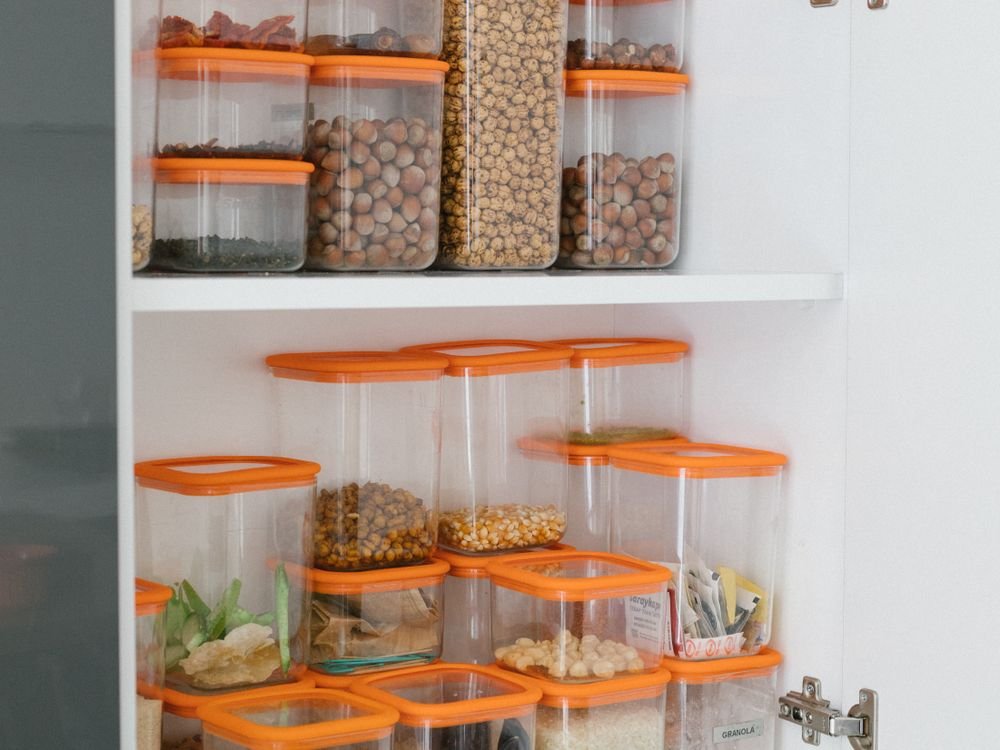
Photographs of pull-out shelves and stacked bins rarely show how much space they need when opened. Measure cabinet interiors, hinge clearance, pipework, and the actual objects you want to store. Check whether an organizer would block the door or make the back of the shelf less reachable. If the space is irregular, test a simple basket first. Sometimes removing excess packaging or assigning better categories fixes the issue without buying any hardware.
A one-afternoon small kitchen organizing plan
Begin with the counter, then work through one drawer and one cabinet. Remove items, wipe the storage area, decide what belongs there, and return only what supports that function. Keep a donation box nearby for good-condition duplicates. Stop after one or two zones if you’re getting tired; a half-finished kitchen spread across the floor can be worse than the original clutter. The goal is visible improvement that lasts into the next meal.
Budget-friendly tools worth considering
Drawer dividers, a sturdy shelf riser, a tray beneath cleaning supplies, and a simple pan organizer may all be useful in the right kitchen. But buy only after you have measured, decluttered, and tested the arrangement. Price and product quality vary, so compare materials and return terms. A recycled container or existing basket can be an effective trial before you commit to a permanent solution.
Frequently asked questions
What should stay on a small kitchen counter? Usually the items you use most often and can store safely there, while leaving enough clear space for food preparation. Should you transfer everything into matching jars? Not necessarily. It adds expense and can remove important labels. If you decant food, preserve identification, dates, and relevant allergen or preparation information.
Free printable: $100 Room Refresh Planner
If you want a budgeted kitchen refresh rather than a full remodel, the printable helps plan purchases and keep costs under control.
Download the free five-page Room Refresh Planner (PDF) – no purchase required.
A kitchen that works for you
The best small kitchen organization ideas reduce the number of times you have to move objects just to do an ordinary task. Start with your busiest area and build from there. Browse more ideas in Organization and see Small Spaces for clever ways to use a compact layout.