
Searching Amazon for home essentials can feel like walking into an enormous store without a shopping list. The same kind of lamp, organizer, or storage basket may be sold under dozens of listings with different dimensions and materials. An attractive thumbnail doesn’t tell you whether the item will fit a narrow shelf, be easy to clean, or hold up to daily use. A budget-friendly purchase begins with knowing the problem it needs to solve.
This guide covers the types of Amazon home essentials worth comparing for kitchens, bedrooms, living rooms, and small apartments. It is not a list of personally tested products or a claim that any current listing has a particular price or rating. Availability and seller details can change, and readers in Canada and the United States may see different offers. Use the checklists to compare options carefully before deciding whether you need to buy anything.
Affiliate disclosure: This article may contain affiliate links. As an Amazon Associate I earn from qualifying purchases. Read our Affiliate Disclosure for more details.
1. A sturdy drawer organizer for everyday utensils
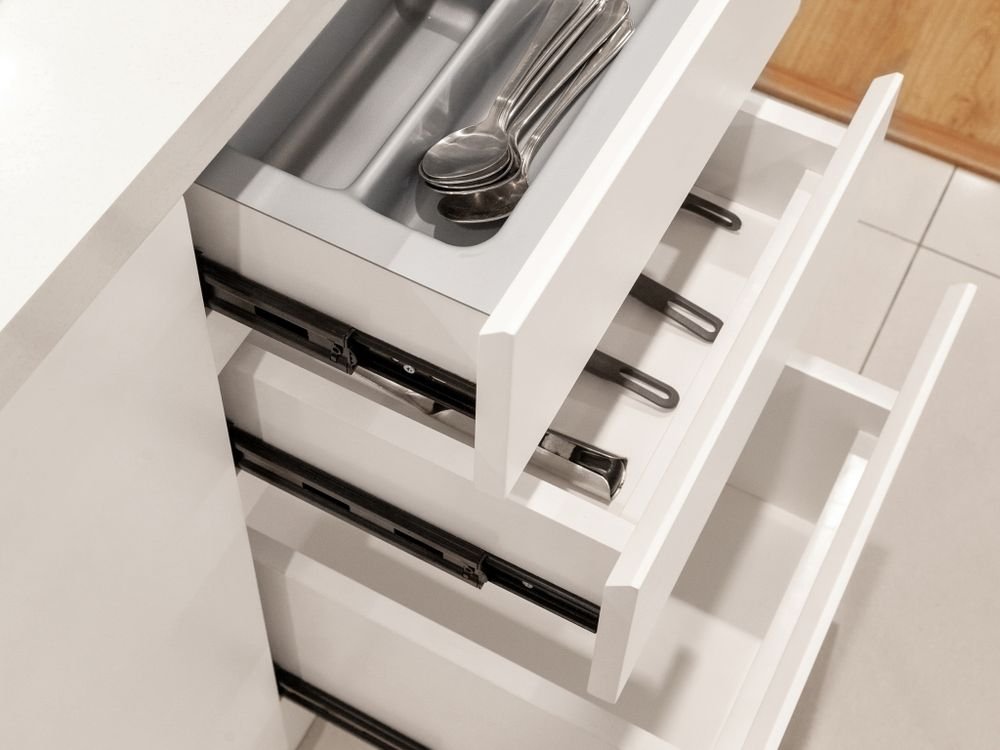
A drawer organizer is useful when forks, spatulas, and small gadgets become tangled, but the inner drawer dimensions determine whether a product will work. Measure width, depth, and height, including any lip around the drawer. Look for durable surfaces that can be wiped clean and dividers that correspond to your actual items. Adjustable organizers can help with awkward drawer sizes, though they may have less usable space than simpler fixed trays. Declutter duplicates before shopping so you don’t buy storage for things you no longer need.
One named example to compare is the Pipishell expandable bamboo cutlery organizer on Amazon (paid link). It suits the idea of sorting flatware without constructing permanent drawer compartments, although the available sizes and finishes need checking on the product page. Before ordering, measure the inside width and depth of your actual drawer, not the cabinet front. Leave clearance for opening mechanisms and utensils that are longer than the tray. If the cupboard itself is overcrowded, start with our small-kitchen organization guide and eliminate duplicates first.
2. A practical tray for a crowded side table

A small tray can gather glasses, remotes, coasters, and other everyday objects in one accessible spot. Before ordering, consider whether you need handles, a non-slip base, or a material that tolerates moisture. Trays with tall sides may look substantial but make them harder to reach into. Check whether the listed dimensions refer to the usable inside area or the outside edges. If a serving tray already in your kitchen works, moving it to the living room costs nothing.
3. A lamp that improves a real lighting problem

A table lamp is worth comparing when one corner feels too dark for reading or the overhead light is harsh at night. Review the bulb fitting, maximum wattage, stability, cord length, and any dimming requirements. Product photos can make lamps look much larger than they are, so check height against your furniture. Read the instructions for safe placement and keep light fixtures away from fabric and water. A durable, useful lamp is a better value than an inexpensive one that can’t light the activity you need.
4. A washable throw for a frequently used sofa

Throws vary widely in fabric, weight, and size, even when listings use similar lifestyle photos. Decide whether you want a warm winter layer, a light summer blanket, or protection for your sofa. Read material and washing information rather than relying on terms such as ‘luxury’ or ‘premium’. Check measurements with a tape measure, particularly if you’re comparing throws for a loveseat and a larger sectional. A comfortable blanket you use often provides more value than one kept folded for display.
5. A bathroom shelf that fits a small wall

A slim bathroom shelf can help keep daily products off the sink, but moisture and mounting requirements matter. Look for corrosion-resistant materials appropriate to the room, and confirm whether the shelf needs drilling. Adhesive solutions have limitations and may not suit textured or damp walls. Check that the shelf won’t block mirrors, outlets, or door movement. If your lease restricts installation, a stable freestanding alternative may be easier to maintain and remove.
6. A set of food-storage containers in useful sizes

Food-storage containers can reduce clutter when the lids fit properly and the sizes match how you prepare meals. Compare materials, sealing mechanisms, and the manufacturer’s instructions for temperature and dishwasher use. Avoid transferring food into unmarked containers without keeping relevant labels or dates. Buying a huge set may leave you with small pieces you’ll never use. Start by counting the portions you actually store and replacing only the broken or mismatched containers that cause problems.
7. A non-slip rug pad for an existing rug

If a rug shifts underfoot, an appropriate rug pad may be a more valuable purchase than replacing the rug. Measure the rug and check compatibility with your flooring, especially for delicate finishes or heated floors. The pad shouldn’t extend beyond the rug edge or create a trip hazard. Read the maker’s care instructions and avoid products that leave residue or react with floor coatings. This is one of those unglamorous home essentials that can improve daily use more than a decorative accessory.
A specific option worth comparing is the Gorilla Grip Original rug pad (paid Amazon link), listed in a 4-by-5-foot variation in third-party catalogue records. That is an example, not a universal fit: match the pad to your rug and flooring, and check the manufacturer’s floor-finish compatibility advice before buying. A rug pad should not curl over the edge or introduce a raised trip point. If your wider objective is a more comfortable room, our living-room guide also explains how to size and place a rug within a seating area.
8. A compact bedside organizer
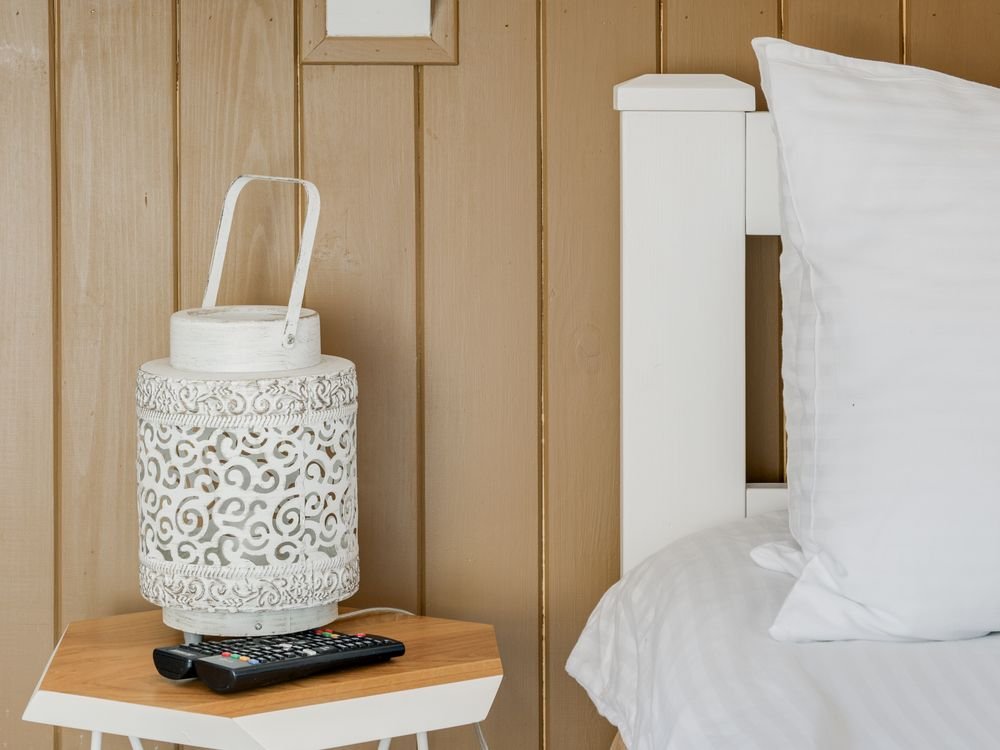
A bedside caddy or small drawer unit can help when there’s no room for a large nightstand. First decide which objects need to remain beside the bed: perhaps a book, glasses, and a charger. Check the product’s attachment method and whether it would interfere with sheets, bed frames, or safe movement. A hanging pocket doesn’t suit every mattress and can sag with heavier items. Sometimes a simple existing shelf or small table is more dependable than a specialized organizer.
9. A modest entryway shoe rack

Entryway racks help when shoes collect near the door, but a crowded hallway needs careful measurement. Look at the depth, clearance for the door, and whether tall footwear fits. Lightweight open racks may be convenient, though some can wobble under weight. If the household owns only a few daily pairs, a compact closet shelf may work better than another piece of furniture. Check construction and stability rather than assuming a product is sturdy because the listing uses a polished photograph.
10. Cable clips and a sensible charging setup

Simple clips can keep cords behind a desk or television instead of scattered across the floor. Think about how often you need to unplug devices and whether the clip adhesive suits the furniture finish. Avoid using clips to hide overloaded power strips, damaged cords, or electrical problems that require proper repair. A charger should remain accessible, ventilated, and used within its rated capacity. The aim is fewer tangles and safer walkways, not making electrical equipment invisible at any cost.
11. Shelf baskets sized for the things you own
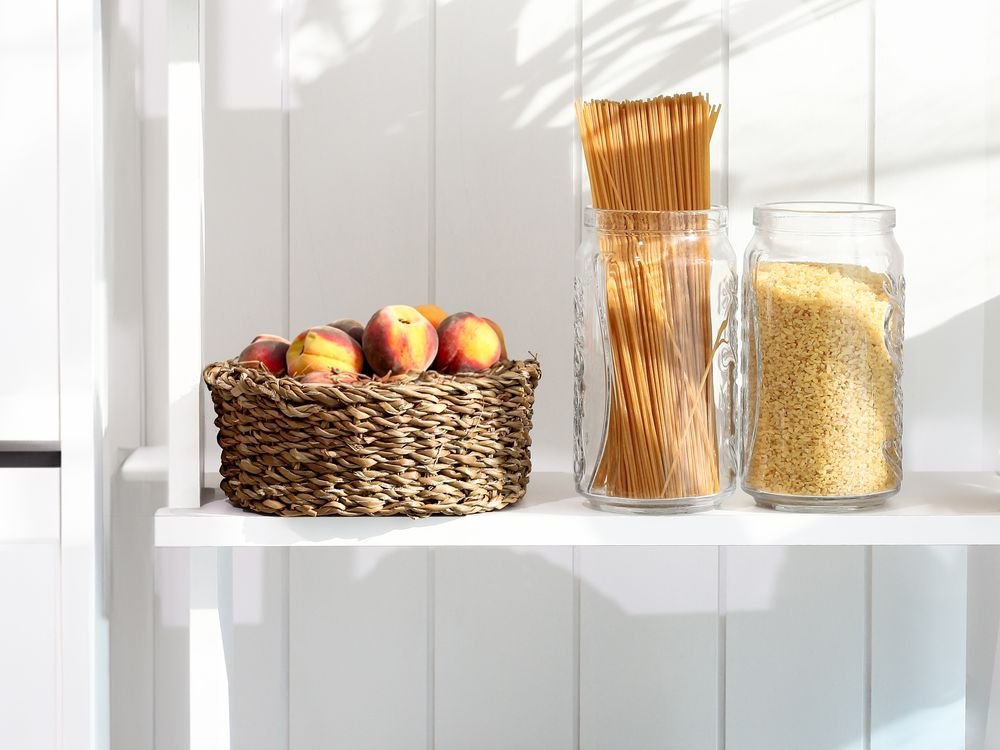
A basket is useful only when it fits the shelf and the category you’re organizing. Compare inside dimensions, handle position, depth, and whether the material can be cleaned. Woven baskets can look cozy in a living room, while washable plastic may be more practical in a utility area. Don’t buy ten matching bins before deciding what goes into them. Start with one problem shelf and test whether a container actually makes things easier to find and put away.
For packet storage rather than loose produce, a named example is the Vtopmart eight-pack food-storage organizer bins (paid Amazon link). These are organizing bins for packaged items; they should not be confused with airtight food-storage containers. Before ordering any set, check the available shelf depth, the handle clearance, and whether the bins will still slide out when fully stocked. Our home-organization ideas explain how to group stored items by routine rather than automatically buying matching containers. Different sellers and variations may carry different prices.
12. A door hook that doesn’t interfere with the door

Over-door hooks may provide storage for robes, towels, or lightweight bags when drilling isn’t possible. Confirm the door thickness and clearance at the top and side before ordering. Check weight ratings and avoid items that prevent doors from closing fully or damage the finish. In rentals, a compact freestanding rack can sometimes be more reliable. A hook that costs little but scratches a door or blocks a latch isn’t a bargain.
13. A simple desk mat for a working surface

A desk mat can protect a surface, define a home-office area, and reduce the scattered look of small accessories. Before shopping, check whether it fits under a keyboard and mouse without covering ventilation openings or interfering with a laptop stand. Choose a material appropriate for your desk finish and easy to wipe clean. If a mat curls at the edges or slips, it can become annoying very quickly. A plain, functional option is usually better than a complex accessory.
14. A kitchen dish-drying solution that matches the sink

A drying rack can free space when it suits the counter and the number of dishes you wash each day. Check height under cabinets, drain direction, rust resistance, and whether it can be taken apart for cleaning. An over-sink rack may save counter space but needs a compatible sink and a secure fit. Don’t assume that a product pictured above a large farmhouse sink will work in a compact apartment kitchen. Measure twice and consider the routine first.
15. A lamp timer or smart plug only when appropriate

A timer can make a regularly used lamp more convenient, but electrical specifications and device compatibility matter. Check the plug’s rating, grounding requirements, and whether it works with the lamp or appliance you intend to control. Avoid connecting heaters or other high-draw equipment to devices not specifically approved for that use. If manually switching a lamp on and off isn’t inconvenient, there’s no need to add technology just to make the room look ‘smart’.
16. A lightweight storage caddy for a shared activity

A portable caddy can collect craft materials, work supplies, or everyday cleaning tools so one table can serve several uses. Choose a size you can carry safely and a shape that won’t tip when a heavier item is placed inside. Keep hazardous cleaners securely stored and never in reach of children. A caddy is useful when it makes resetting a space easier. If it merely becomes another place for miscellaneous clutter, reduce the category or contents instead of buying a bigger one.
How to compare Amazon listings without overspending
For each product, write down the outside dimensions, material, intended capacity, care instructions, seller or brand information, and total checkout cost. Read a range of reviews critically rather than treating star averages as proof of durability. Watch for variations that use the same photographs but have different sizes. Shipping charges, taxes, and returns may differ by location. An affordable essential is one that fits your home and lasts—not necessarily the listing with the lowest visible price.
What about affiliate links?
This guide includes a small selection of named Amazon product examples with clearly marked affiliate links. We may earn a commission from qualifying purchases, at no additional cost to you. The examples illustrate features to compare; they are not hands-on reviews and should not be treated as guaranteed current deals. Check the retailer’s live listing for price, stock, model or size, delivery costs, returns and suitability for your home. Readers in Canada and the United States may see different prices and availability. You can also apply the same comparison checklist at local retailers, secondhand shops or when reusing items you already own.
Frequently asked questions
Should I choose products with the most reviews? Review count alone doesn’t verify quality. Look for detailed, relevant feedback and specifications that match your use. Are matching organizers worth the extra money? Sometimes uniform containers help on an open shelf, but mismatched sturdy baskets may work just as well. Which category should I buy first? Start with the object that solves your most frequent household frustration.
Free printable: $100 Room Refresh Planner
For a more deliberate shopping list, use the free budget worksheet and product-comparison page before following any retail recommendation.
Download the free five-page Room Refresh Planner (PDF) – no purchase required.
A more thoughtful approach to home essentials
Keep your shopping list short, measure before you search, and make room for items that genuinely serve a daily purpose. Explore more Budget Finds and visit Organization for ways to make current possessions work better before purchasing new storage.