Small apartment decorating is a puzzle with real-life constraints: the sofa may be close to the kitchen, the bedroom needs a desk, and even a lovely coffee table can become a problem when it blocks the route to the door. The answer usually isn’t to squeeze more furniture into the room. It’s to give each area a purpose, choose pieces that suit the available dimensions, and let a few personal touches do the decorating.
These twelve small apartment decorating ideas focus on approachable changes instead of a complete makeover. You’ll find ways to use light, storage, curtains, textiles, and furniture placement without turning the apartment into a collection of organizers. Before you buy anything, photograph the main room and measure the walking paths. A Pinterest photo can be inspiring, but your own floor plan should make the final decision.
Affiliate disclosure: This article may contain affiliate links. As an Amazon Associate I earn from qualifying purchases. Read our Affiliate Disclosure for more details.
1. Start with the walking paths, not the furniture catalog
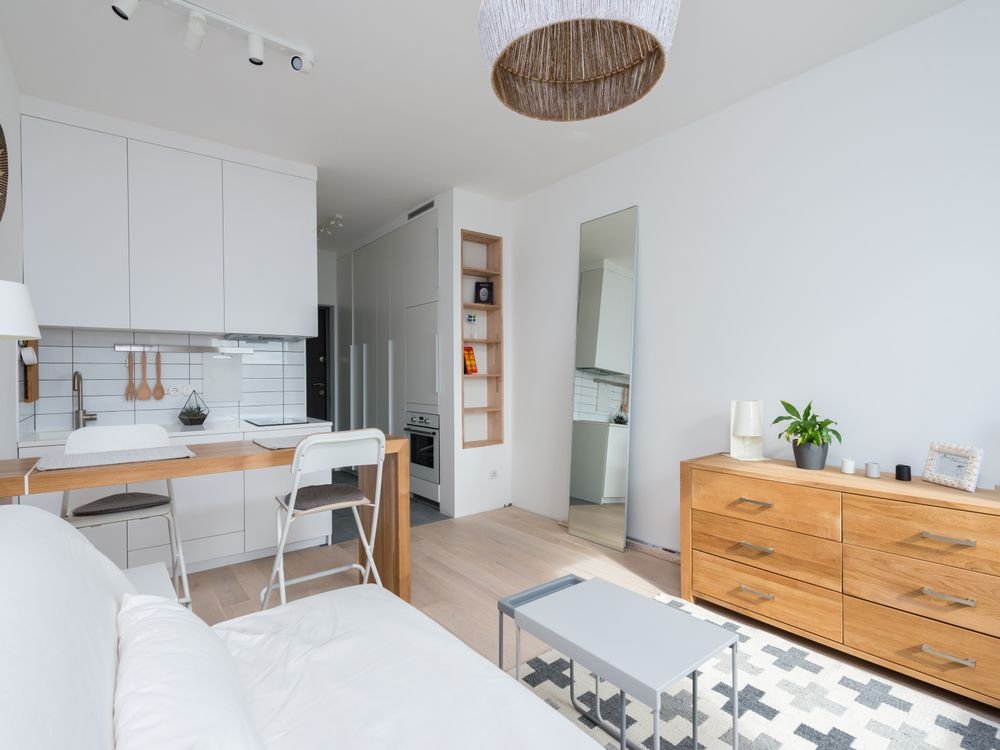
Before deciding that your apartment needs new furniture, trace how you move from the entry to the kitchen, sofa, bathroom, and windows. Look for corners you keep squeezing past or doors that only open halfway. Move a side table or chair temporarily and notice whether the room feels easier to use. A little open floor space can be more valuable than another storage piece. Photograph the arrangement from the doorway so you can compare layouts without relying on memory.
2. Give an open-plan room gentle zones

A sofa doesn’t need a wall behind it to define the living area. In a studio, the back of a sofa, a properly sized rug, or a narrow bookshelf can visually separate one activity from another. Keep the divider low or open if natural light has to travel through the space. Use zones for what you actually do—reading, eating, sleeping, or working—rather than copying an idealized floor plan. The more clearly each zone functions, the less cluttered the apartment tends to feel.
Start with the paths you walk every day. Mark the route from the entrance to the kitchen and bathroom, then position furniture so doors and drawers can open fully. In a studio, the back of a low sofa or a small rug can suggest a sitting area without dividing the room into tiny cells. Use the same lamp or wood tone in two places if you want them to feel connected. Avoid tall, unstable shelves as room dividers unless properly designed and anchored. If you need furniture that works across zones, see our space-saving furniture ideas; for a low-cost refresh without shopping, see the living-room guide.
3. Let the windows keep their daylight
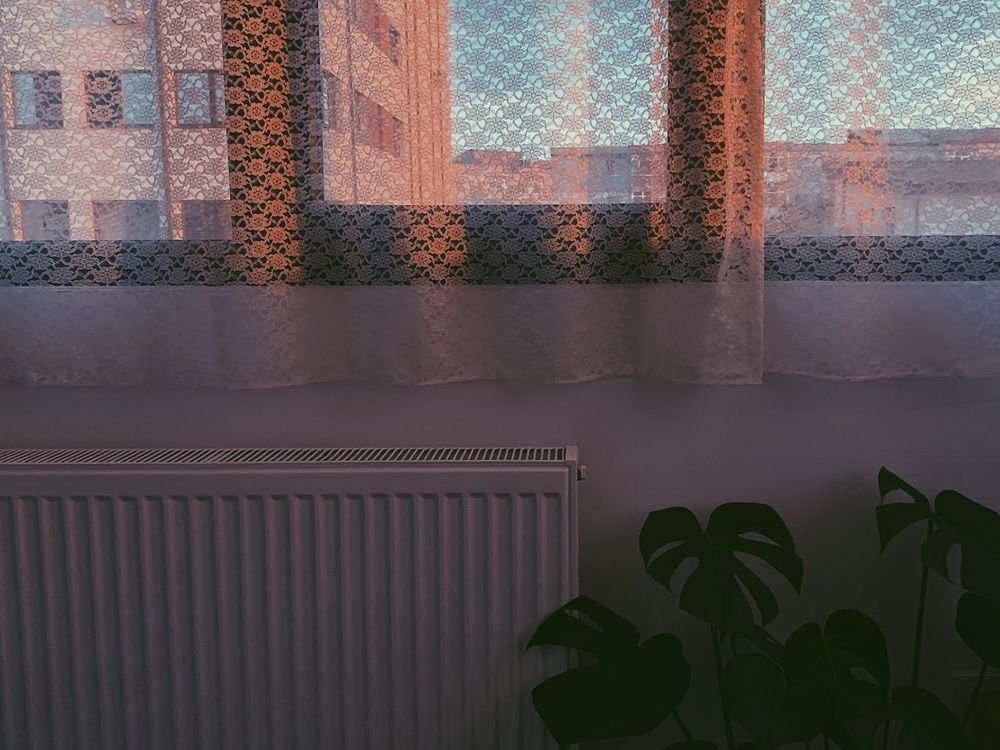
Natural light can make a compact room feel pleasant, but heavy furniture or thick curtains often block the only source of it. Test a sheer panel, a simple roller blind, or curtains that pull fully away from the glass. Privacy matters, especially at street level, so consider what neighbors can see after dark when indoor lights are on. If you can move a tall cabinet away from the window, try that before purchasing brighter bulbs or a new mirror.
4. Choose one main color and a couple of accents
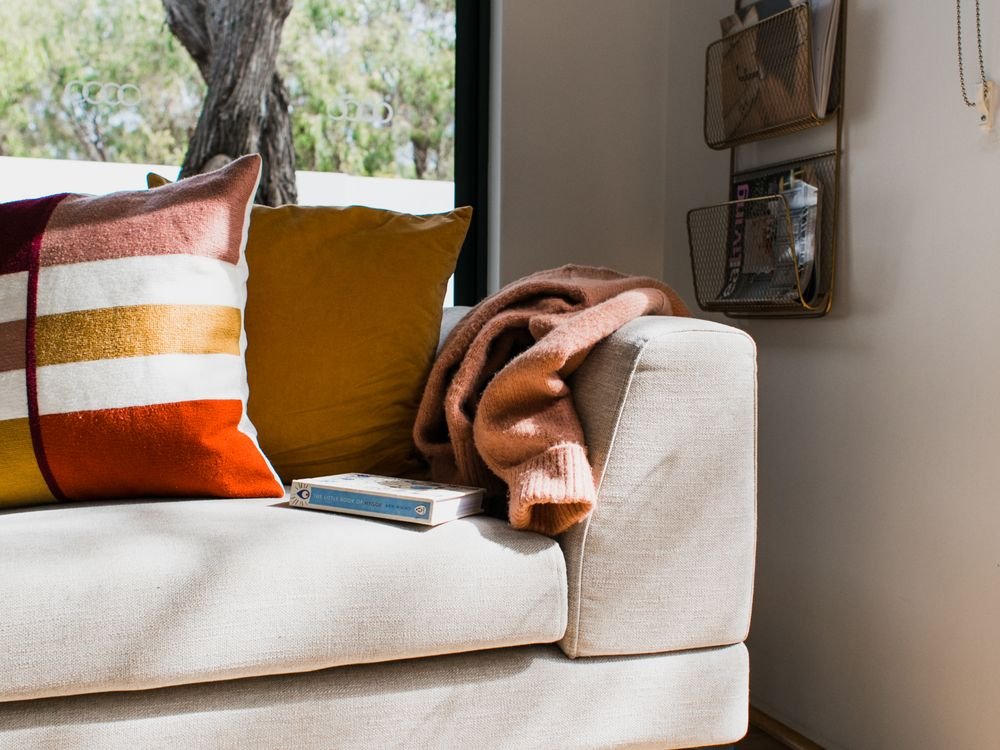
A small apartment can carry bold color, but repeating unrelated patterns on every wall and surface may make a compact space feel visually crowded. Choose a main background shade that works with your existing floors and large furniture, then add one or two accents through cushions, art, or a throw. Don’t feel pressured to paint: renters can build continuity with textiles and frames. The idea is to let rooms connect visually, even when the kitchen and living area are visible at once.
5. Hang artwork in a deliberate grouping
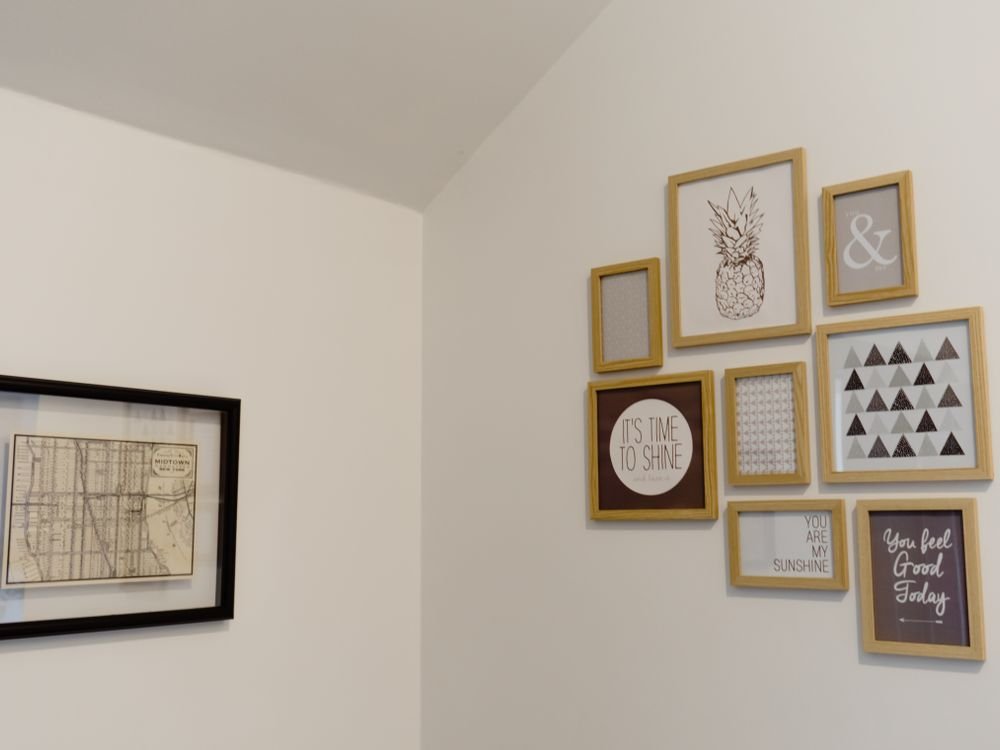
Small rooms don’t require tiny art. One properly sized framed piece can give a wall personality without the scattered appearance of many undersized objects. If you prefer a gallery wall, align frames around a common edge or repeated finish, leaving enough space so each can be appreciated. Make paper templates and arrange them before you hang anything. Choose images you enjoy seeing daily: travel photos, meaningful illustrations, or simple drawings often feel more personal than a store-bought matching set.
Optional product to compare (paid Amazon affiliate link): Command Large Picture Hanging Strips are one possible mounting method for suitable framed pieces. Before shopping, use paper outlines to test the grouping and check whether your wall material, lease and frame weight permit adhesive mounting. Follow the current package instructions rather than assuming every removable strip can be used on every surface.
6. Use a mirror to reflect light, not clutter
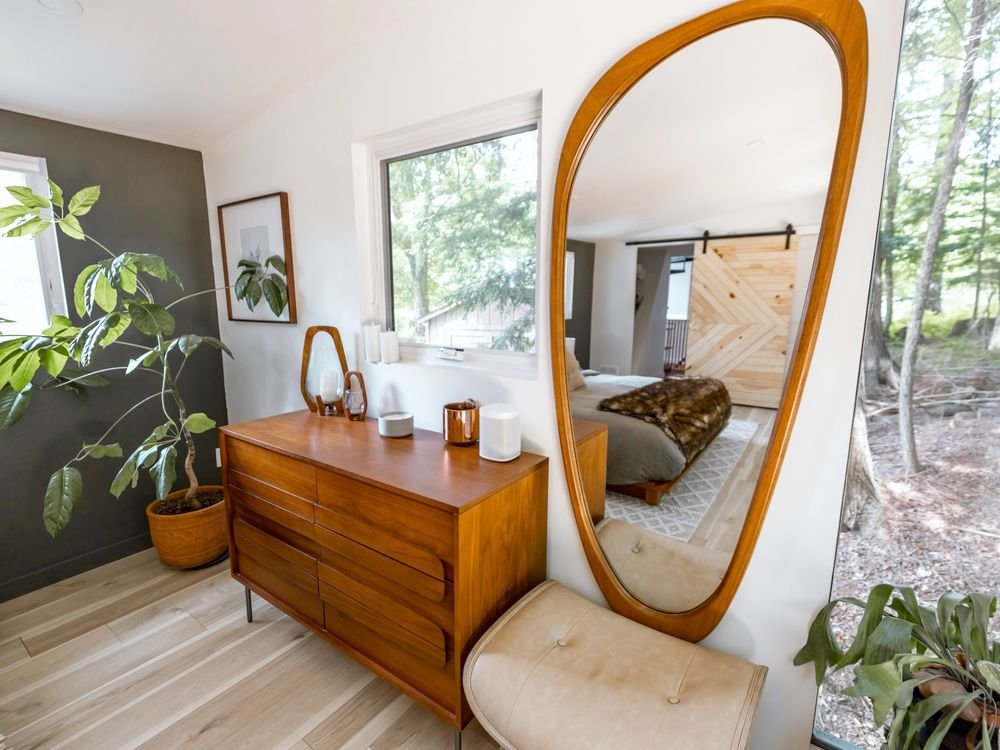
A mirror opposite or beside a window can reflect daylight and add visual depth. But it also reflects whatever lies across from it, including an untidy counter or an exposed closet. Hold a smaller mirror in several positions first and look at what each one captures during the day. Avoid placing a large unsecured mirror in a tight walkway, especially where it could be bumped. When space is limited, a practical dressing mirror can be more useful than a purely decorative one.
7. Keep a little space around the sofa
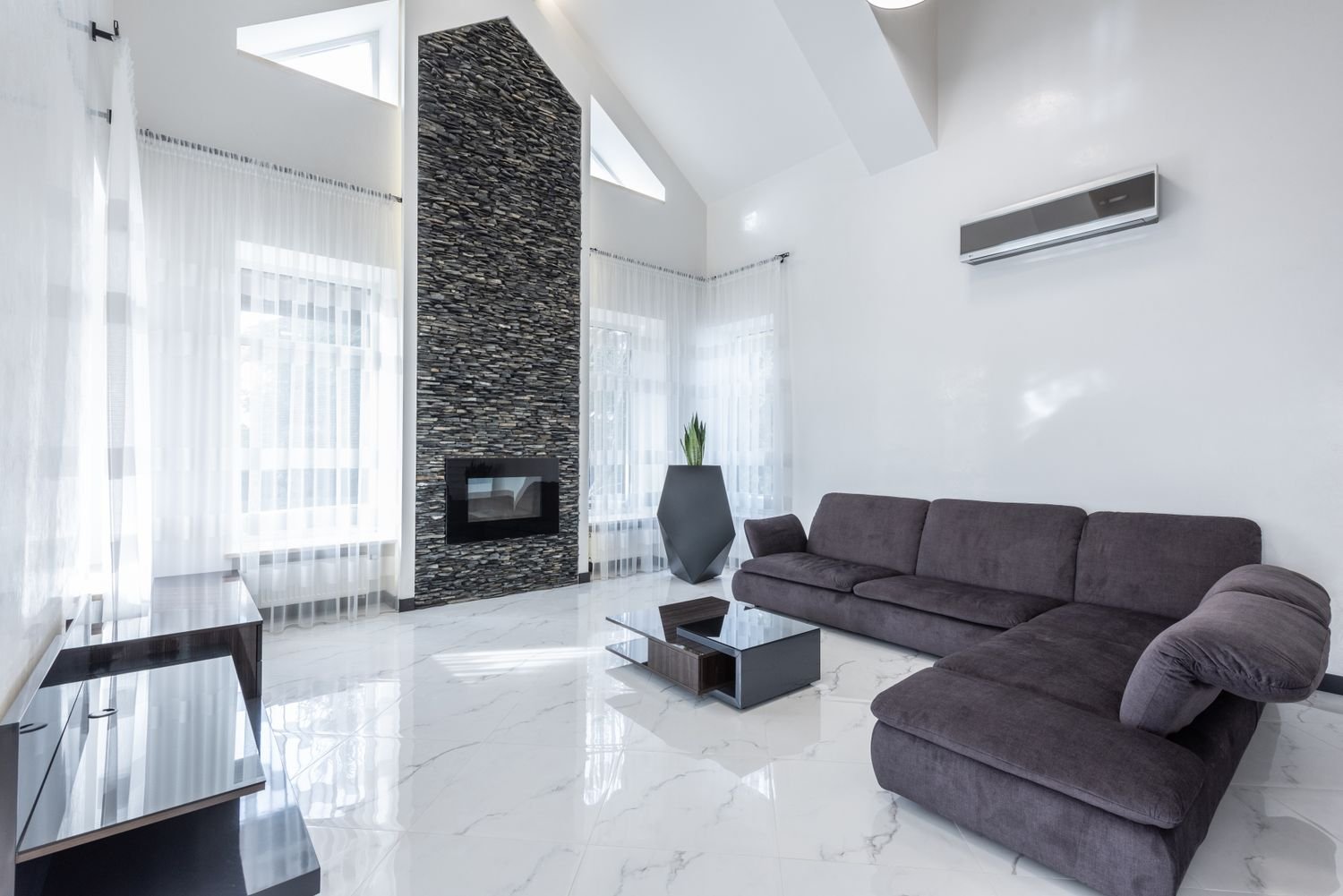
People sometimes push every item hard against the wall to make a small room seem larger. In some layouts, a few inches of separation—or turning a chair slightly toward the sofa—makes the seating feel more balanced. Check whether a narrow side table would replace a bulky coffee table, or whether a nesting table can be tucked away. A comfortable room needs somewhere to put a drink, but it doesn’t need every possible surface. Let the everyday route through the room guide your choice.
8. Use vertical storage where it is safe

When floor space is limited, the area above a desk, dresser, or entry table can offer useful storage. Wall shelves may hold books, lightweight baskets, or decorative objects without taking extra square footage. However, drilling permissions, wall construction, weight limits, and safe mounting all matter. Don’t suspend heavy items over beds or seating without appropriate installation. If drilling isn’t permitted, a tall freestanding shelf with proper anti-tip protection may be the better choice. Leave shelves partly open to avoid a crowded look.
Look upward only after checking what you actually need to store. A shelf for light books or display pieces has different structural requirements from one carrying kitchen appliances or several heavy boxes. Keep the frequently used things at a comfortable height; overhead storage is least useful when it demands a stool every day. In rental homes, check permission and wall construction before drilling, and favor stable freestanding storage when anchoring is not feasible. Our renter-friendly upgrades cover those decisions, while our organizational routines help keep shelves from becoming display-sized clutter. The goal is accessible storage, not maximum filling.
9. Make the entry work harder

Even a narrow entry can feel orderly with one reliable spot for keys, shoes, and a bag. A shallow tray, small hooks where permitted, or a compact shoe rack can prevent belongings from spreading into the living room. Measure door swing and hallway clearance before adding a bench or cabinet. Place storage where you naturally put things down, not simply where it looks nice in a photo. The easiest organizing system is one that suits your habits rather than asking you to invent new ones.
10. Layer soft textures without adding bulky pieces

You can add warmth through a washable throw, a textured cushion cover, a low-pile rug, or a simple fabric curtain. Choosing just one or two textures helps maintain a calm look when the room is already busy with functional furniture. Pick materials that suit your climate and cleaning needs. A deep fluffy rug can appear cozy online but may be difficult to maintain beneath a dining chair. Try moving textiles you already own before investing in a larger decorative piece.
11. Make a multipurpose corner feel intentional
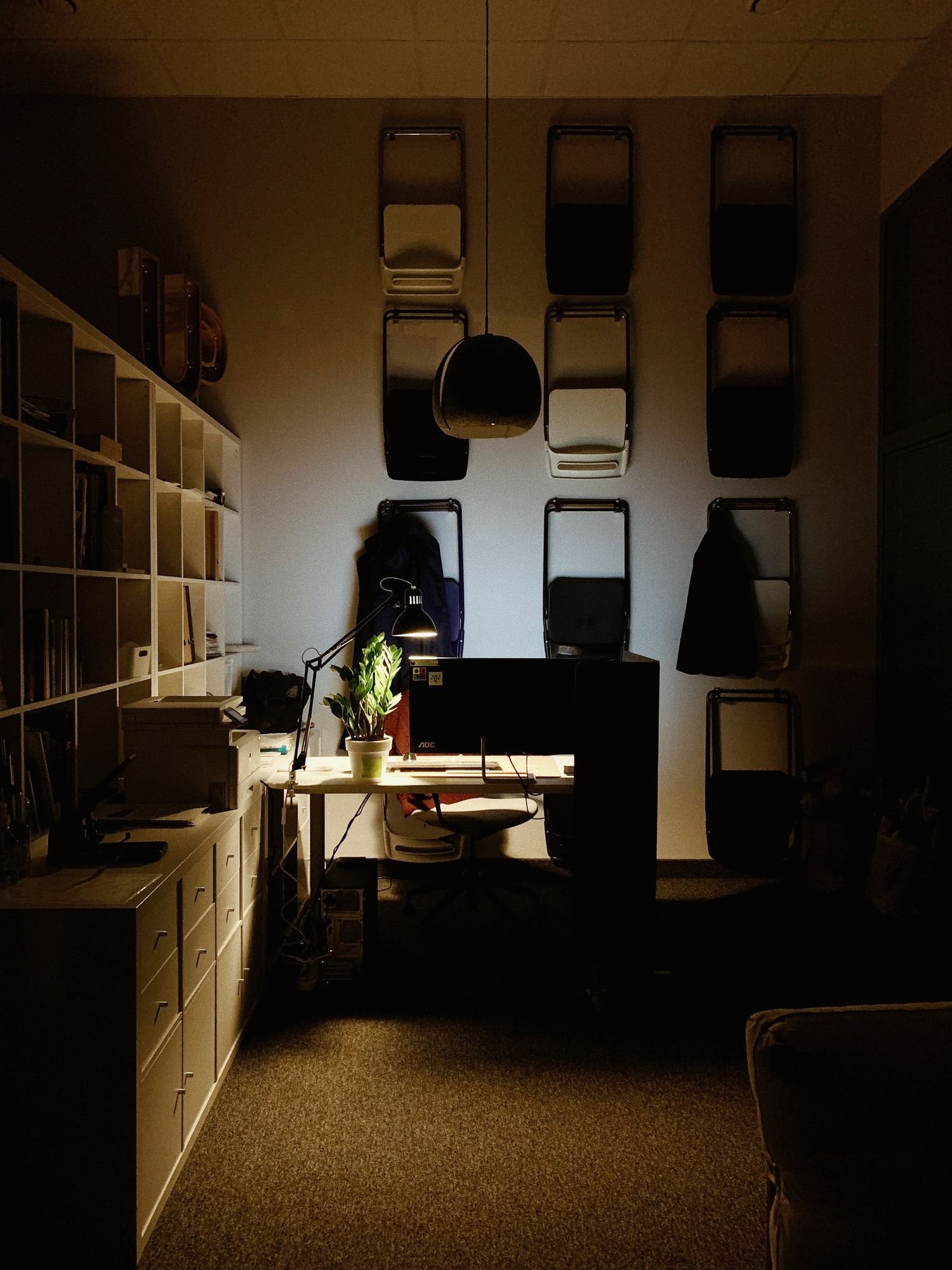
A dining table that doubles as a workspace can look tidy when its tools have an easy storage spot. Use a lightweight caddy for pens and chargers, keep one comfortable chair, and give the table sufficient task lighting. At the end of the workday, move the caddy away rather than leaving everything spread across the surface. This creates a simple visual reset without needing a separate office. In a tiny apartment, adaptable routines often matter more than convertible furniture.
12. Leave one area intentionally empty
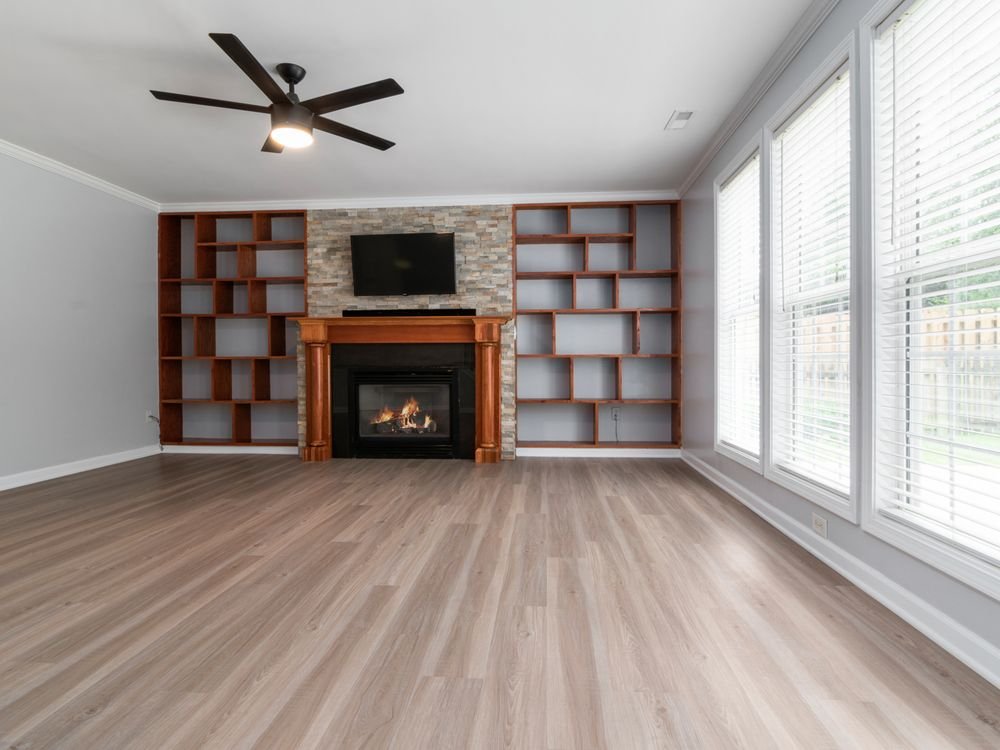
A compact home often feels more inviting when not every corner contains something. Resist the urge to fill a blank wall or awkward nook just because it exists. Clear space beside the sofa, around the dining table, or beneath a window can give your eyes a resting place. It also makes daily cleaning easier. When considering a new purchase, ask what task it will serve and what space it will take away. Sometimes the most useful decorating decision is not buying it.
A no-spend decorating afternoon
Start by removing anything that doesn’t belong in your main living space. Move one piece of furniture to improve circulation, gather similar decorative objects together, and borrow a lamp or blanket from another room. Take a second photograph in the same light as the first. When you compare the images, notice how much of the improvement came from arrangement rather than buying. Only then make a list of actual needs and measure the space for them.
A simple shopping checklist
Before buying furniture for a small apartment, measure its width, depth, and height, then check whether it can pass through the doorway and around the staircase. For storage items, measure what you’ll put inside and the space available when doors or drawers open. Think about how easy an item will be to clean or move if you relocate. Secondhand furniture can save money, but inspect its stability and condition carefully instead of choosing it for appearance alone.
Two questions readers often ask
Can a small apartment have dark colors? Yes—especially when there is enough light and a consistent palette. A dark feature piece may add depth without making the entire room gloomy. Should every piece of furniture be small? No. Sometimes one comfortable full-size sofa works better than several cramped chairs. Scale is about how objects fit together, not a rule that everything must be miniature.
Free printable: $100 Room Refresh Planner
A small apartment refresh works better with a plan. Track measurements, priorities and a spending cap with our free printable.
Download the free five-page Room Refresh Planner (PDF) – no purchase required.
The finishing idea
Pick one of these small apartment decorating ideas and test it before searching for the next inspiration photo. Good small-space design should support your actual daily routines. For more room layouts, visit our Small Spaces collection; for affordable accessories, browse Budget Finds.