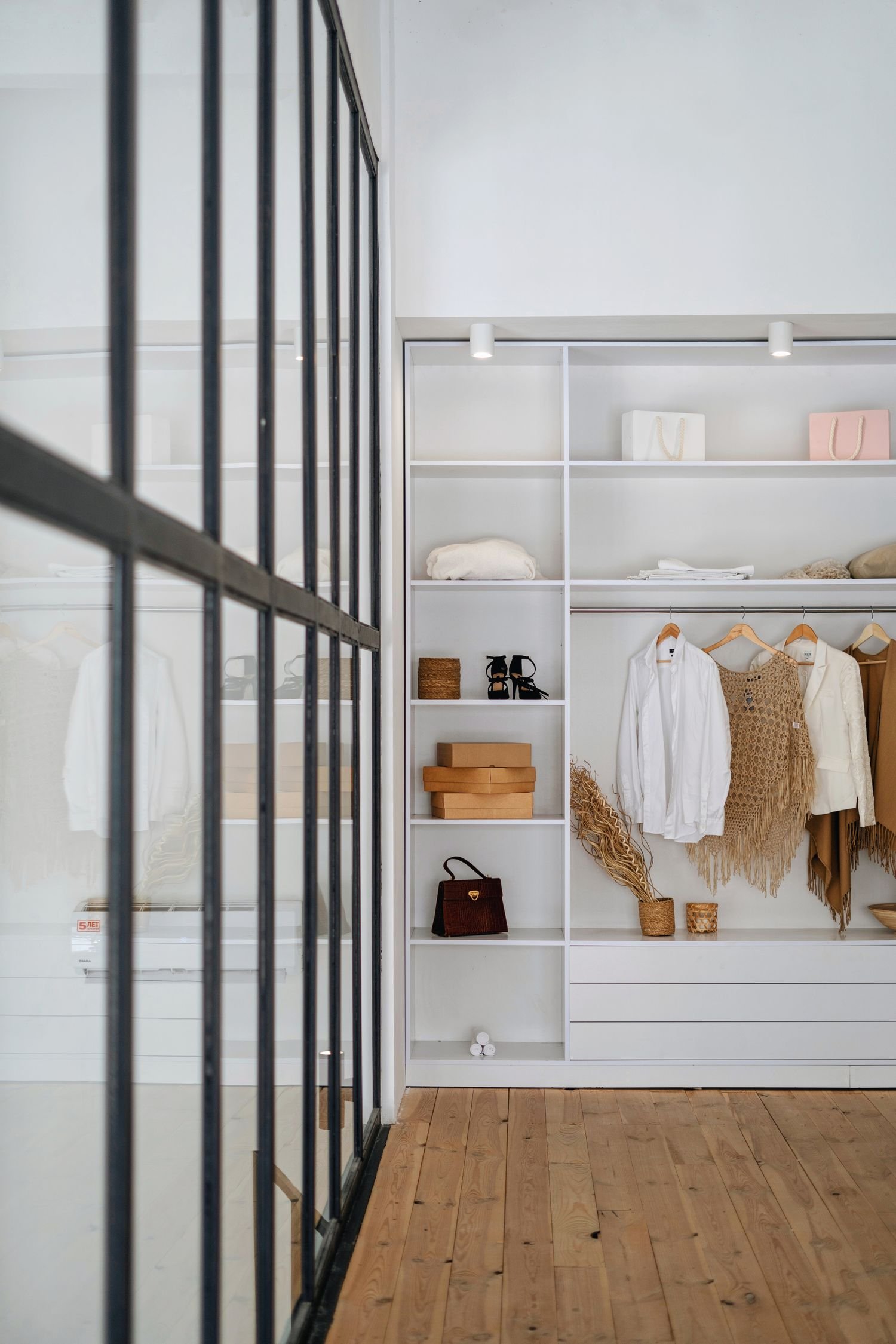
Home organization works best when it makes everyday objects easier to find and easier to put away. A perfectly labeled shelf isn’t much help if you need three steps to return a pair of scissors, and an expensive set of matching containers doesn’t solve the problem of owning too much. Before choosing baskets or bins, notice which spots collect clutter repeatedly. Those are the places most likely to benefit from a simple change.
These fifteen home organization ideas focus on kitchens, bedrooms, entries, living rooms, and shared spaces. You can start with a single drawer, test what works for a week, and then repeat it elsewhere. The goal isn’t to create a home that always looks untouched. It’s to give useful objects predictable locations so ordinary life requires less searching, stacking, and shuffling.
Affiliate disclosure: This article may contain affiliate links. As an Amazon Associate I earn from qualifying purchases. Read our Affiliate Disclosure for more details.
1. Create a drop zone beside the entry

The entry often becomes an accidental collection point for keys, bags, receipts, and shoes. Instead of demanding that everyone change their habits completely, place a small tray or basket where those things naturally land. Give keys one bowl, mail one slot, and shoes a contained area that doesn’t block the door. Measure the available space first, especially in narrow hallways. A simple system located in the right place is more likely to survive a busy morning.
2. Organize drawers by how often you use items
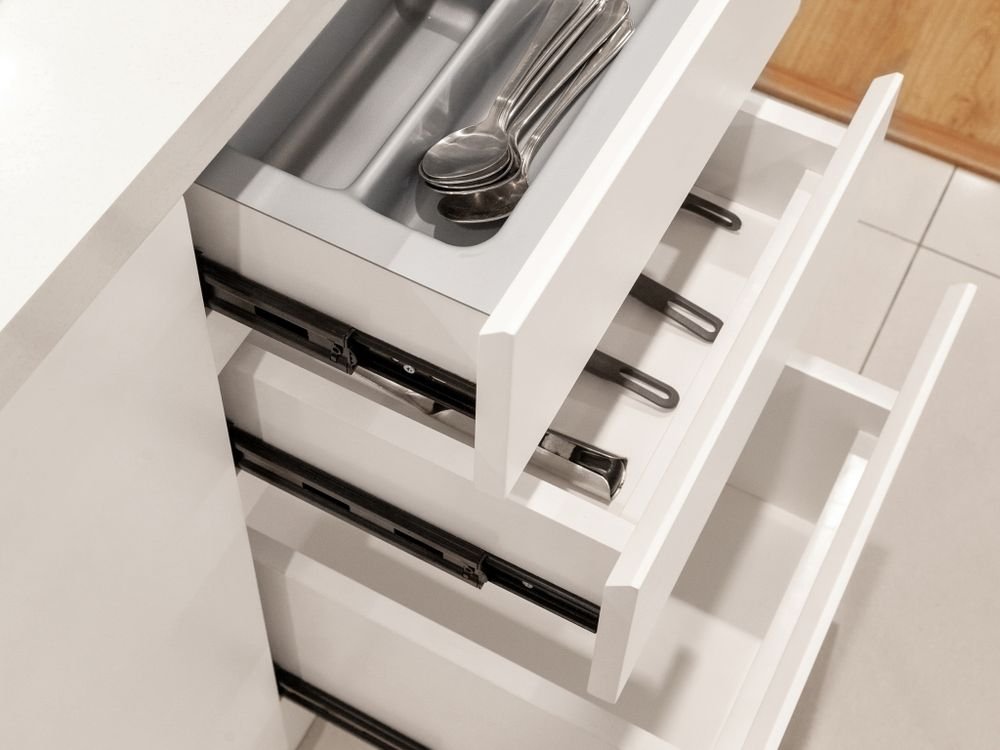
Start with the objects you reach for every day, and place them at the front or in the most accessible drawer. Seasonal and rarely used items can occupy higher or lower storage. Remove everything from one drawer, discard packaging you no longer need, and group similar objects. A cardboard divider can be enough for testing. Expensive acrylic organizers look neat in photos, but they are wasted money if their compartments don’t match the actual contents.
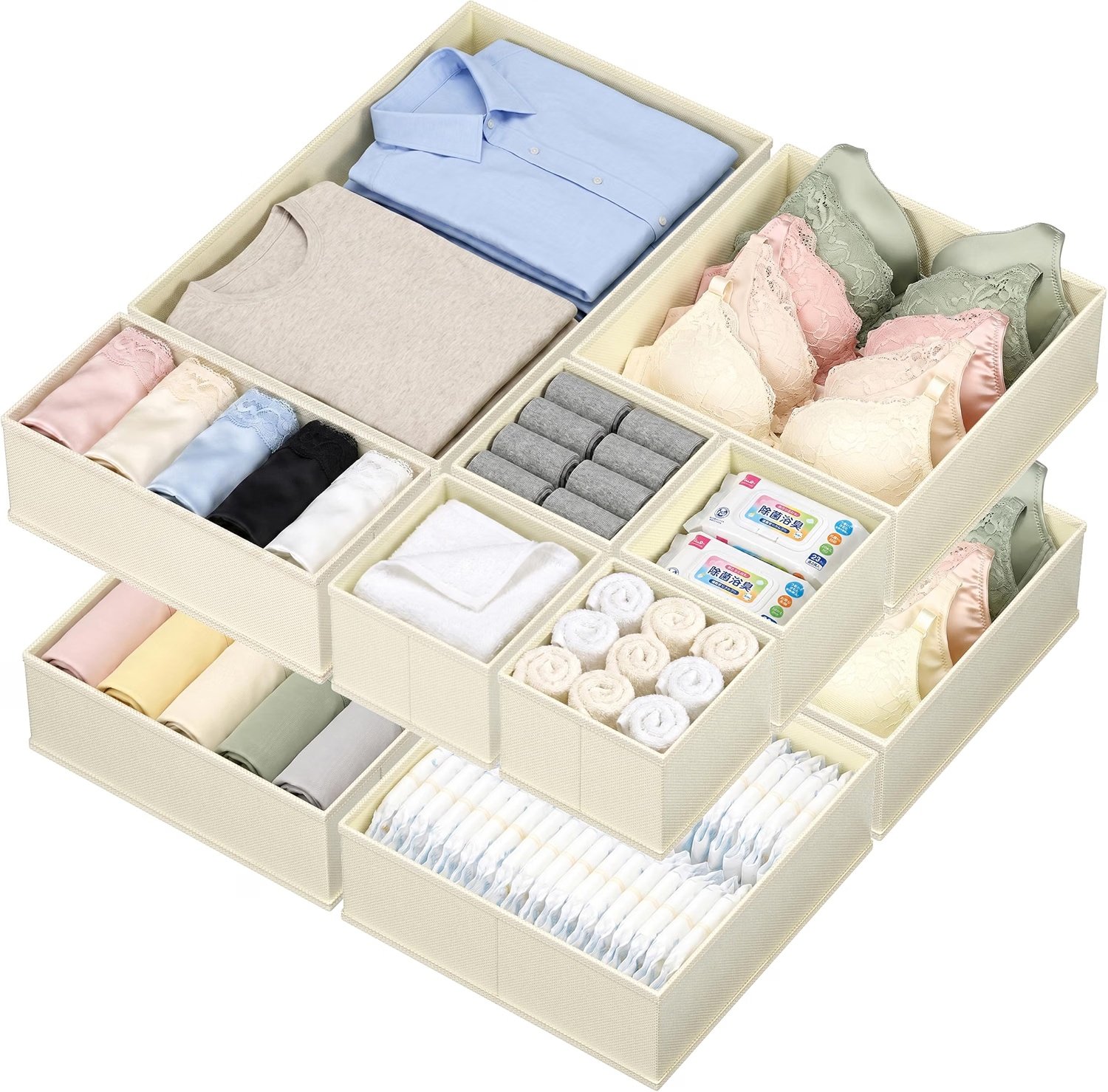
SIXDOVE 10-Piece Beige Fabric Drawer Organizers for Clothes and Socks
A set of ten foldable fabric storage boxes for separating socks, underwear, folded clothes and other small essentials. Measure your drawers and check the exact size and colour options before buying. We have not personally tested this product.
Ad / affiliate link. We may earn a commission, including a possible Creator Connections bonus, from qualifying purchases at no extra cost to you.
3. Store supplies where the task happens
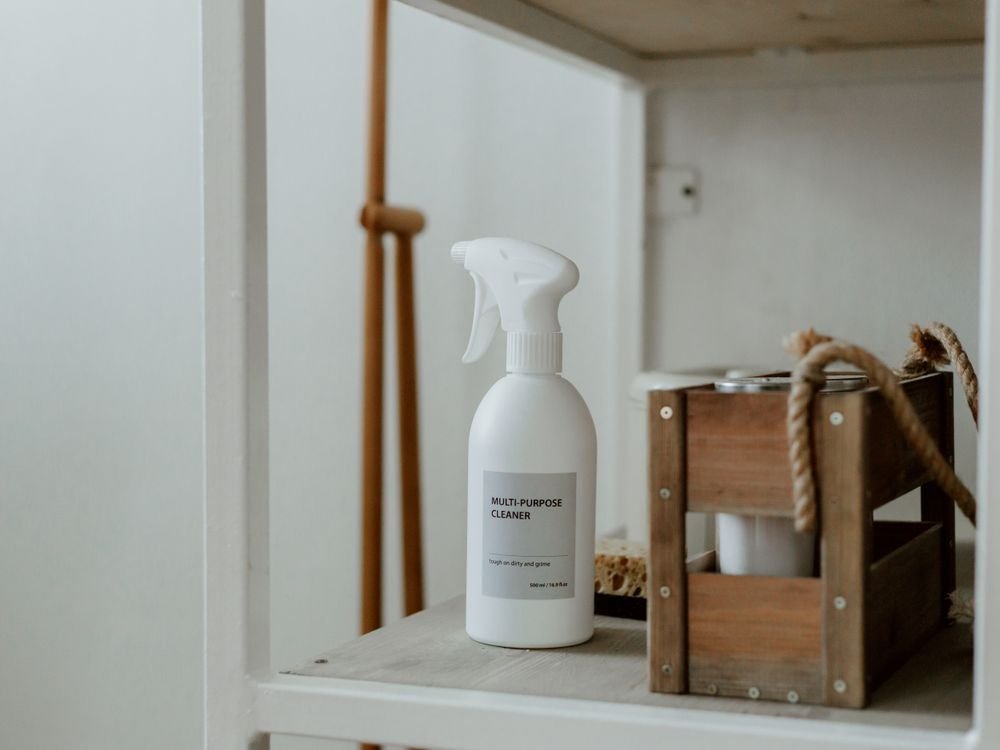
Keep cleaning cloths near the surfaces you clean, paper and pens near the workspace, and spare toiletries close to the bathroom. When supplies are stored far from where they are used, they tend to be left behind. Take a tour of your home and notice which items repeatedly migrate to another room. Reposition a small basket or shelf to meet that need. Keep chemicals in secure, appropriate storage rather than making them too accessible to children or pets.
4. Use clear containers only when visibility matters
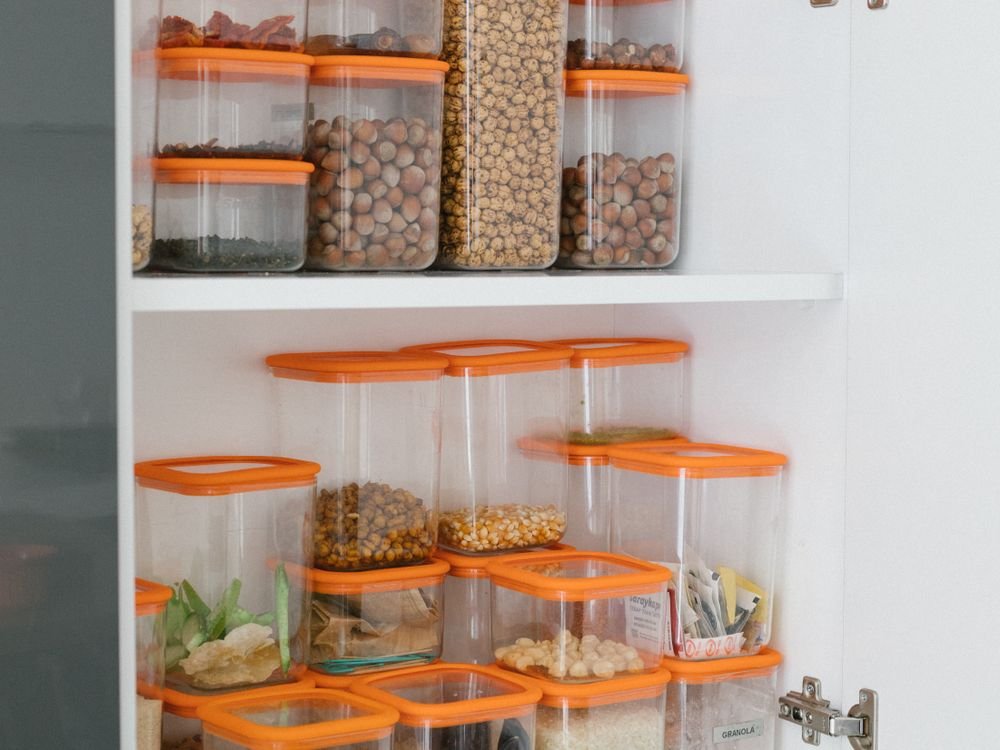
Transparent storage is wonderful for supplies you need to identify quickly, but it also exposes every mismatch and can create visual clutter. Opaque baskets may be better in a living room, while clear bins can make sense inside a pantry or linen closet. The important detail is a consistent category and a container size that fits the shelf. Choose a few durable shapes instead of buying a large matching set before you know what needs to go inside.
5. Give the coffee table one storage solution
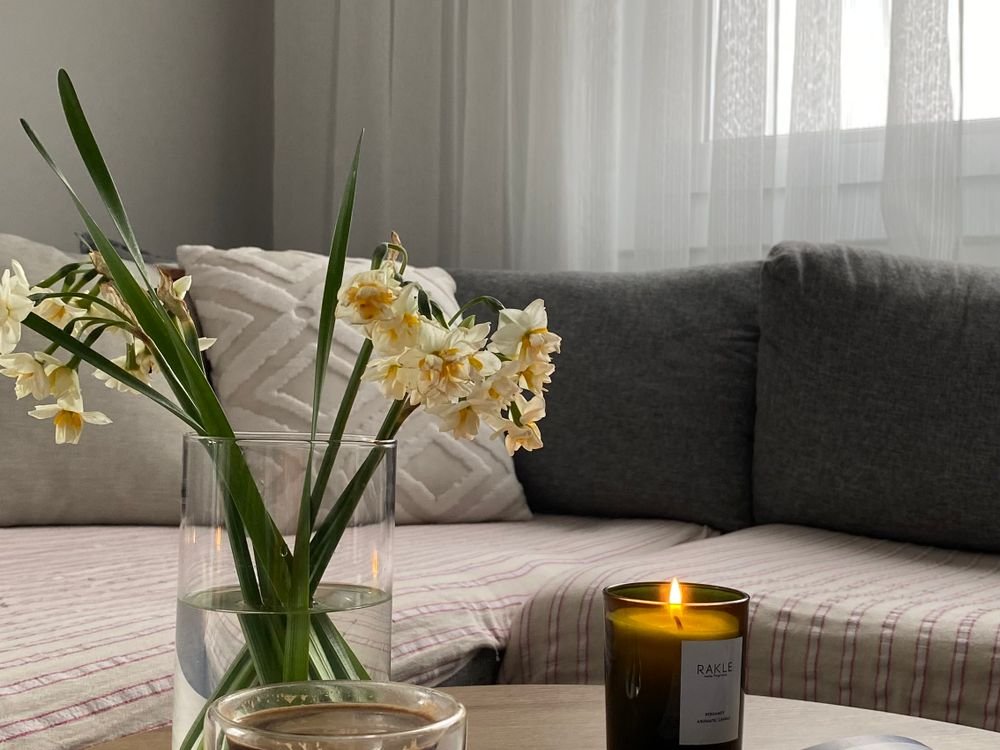
Remotes, chargers, coasters, and small everyday items often live on the coffee table because they need to be accessible. A shallow tray or a small lidded basket nearby can keep them together without pretending the table will always remain empty. Ask everyone who uses the room where they naturally reach for these objects. Choose a solution that can be opened with one hand and doesn’t require moving a decorative arrangement first.
6. Fold towels to fit the actual shelf
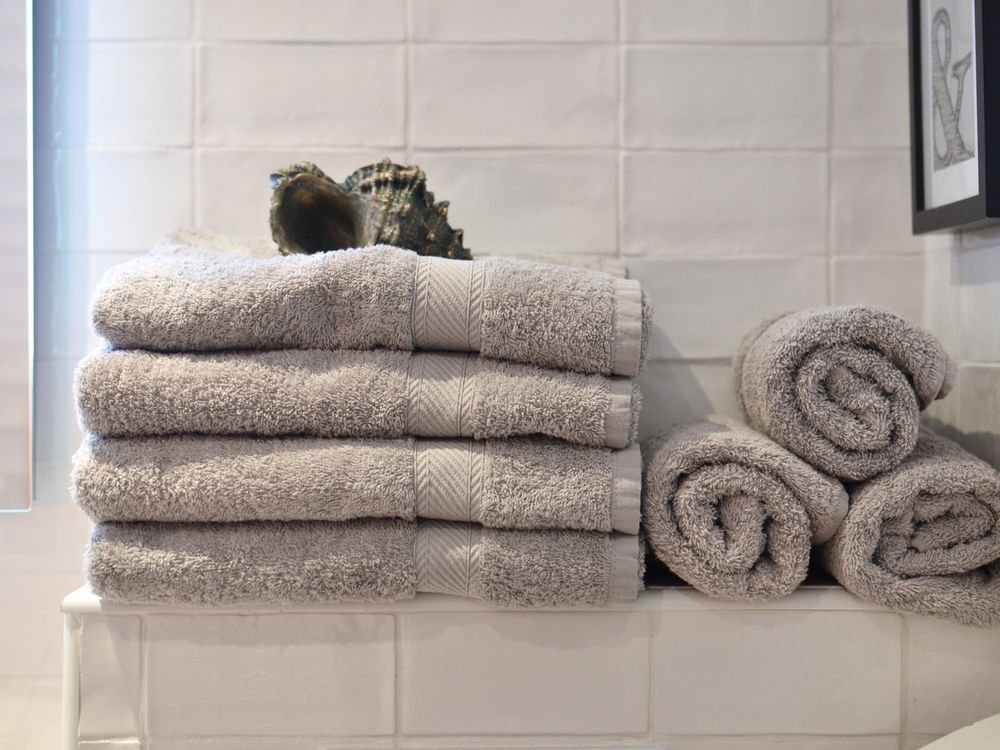
Beautiful linen closet photographs sometimes rely on stacks that are too tall or unstable for real life. Measure your shelf depth and fold towels in whichever direction makes them easy to remove without toppling the pile. Group bath towels, hand towels, and washcloths separately if you have room. Put the most-used pieces at a comfortable height. Donate extras in good condition if they are taking space you need for daily essentials.
7. Make a tiny household repair kit
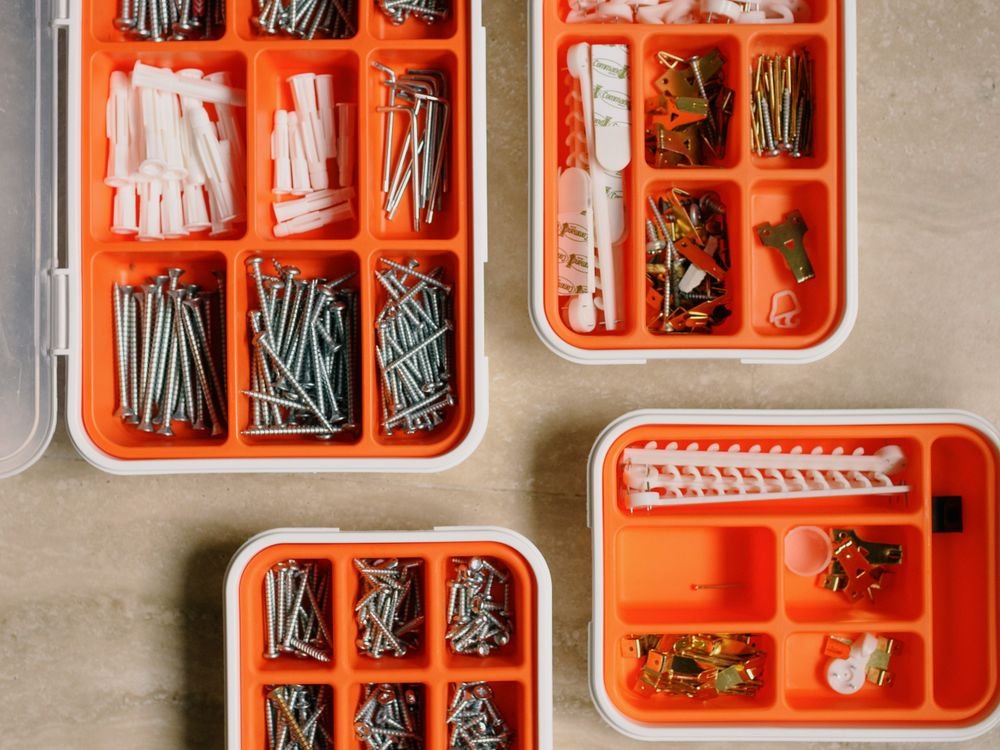
Scissors, tape, a measuring tape, spare batteries, a screwdriver, and a few picture-hanging supplies often end up scattered around the house. One clearly labeled container can save time whenever you need a basic tool. Choose a box that is easy to carry and keep sharp tools and batteries securely stored. Avoid combining leaking batteries, chemicals, or anything potentially hazardous with everyday supplies. The aim is to make small tasks easier, not to create a workshop in the hallway.
8. Use the back of a door carefully

Over-door hooks and organizers may create useful storage without taking floor space, particularly in closets and bathrooms. Check the door’s thickness, hardware clearance, and weight limits before using one. The organizer must not stop the door from closing properly or place heavy objects at an awkward height. A handful of frequently used items often works better than filling every pocket. Where walls and doors are fragile, a small freestanding alternative may be more reliable.
9. Group pantry items by meals and routines

A pantry makes more sense when breakfast ingredients, baking supplies, or snacks are arranged according to how your household cooks. Group items loosely, then place opened packages in stable containers only when doing so genuinely improves storage. Keep labels and food expiry information available. A row of attractive jars is not an improvement if no one knows what is inside or when it should be used. Put older supplies where you will see them first.
A pantry arranged by product packaging may look tidy for one photograph but become difficult to use during actual cooking. Try a shelf for breakfast staples, another for ingredients used several nights a week, and a small clearly labelled area for food that needs to be used soon. Keep heavy items within comfortable reach and follow food-safety and pest-prevention advice rather than storing everything in decorative jars. Take a photo after one week and adjust the grouping based on what was repeatedly moved. Our small-kitchen organization guide adds practical guidance on preparing food safely, storing lids, and planning a quick reset at the end of the day.
10. Create an easy charging station
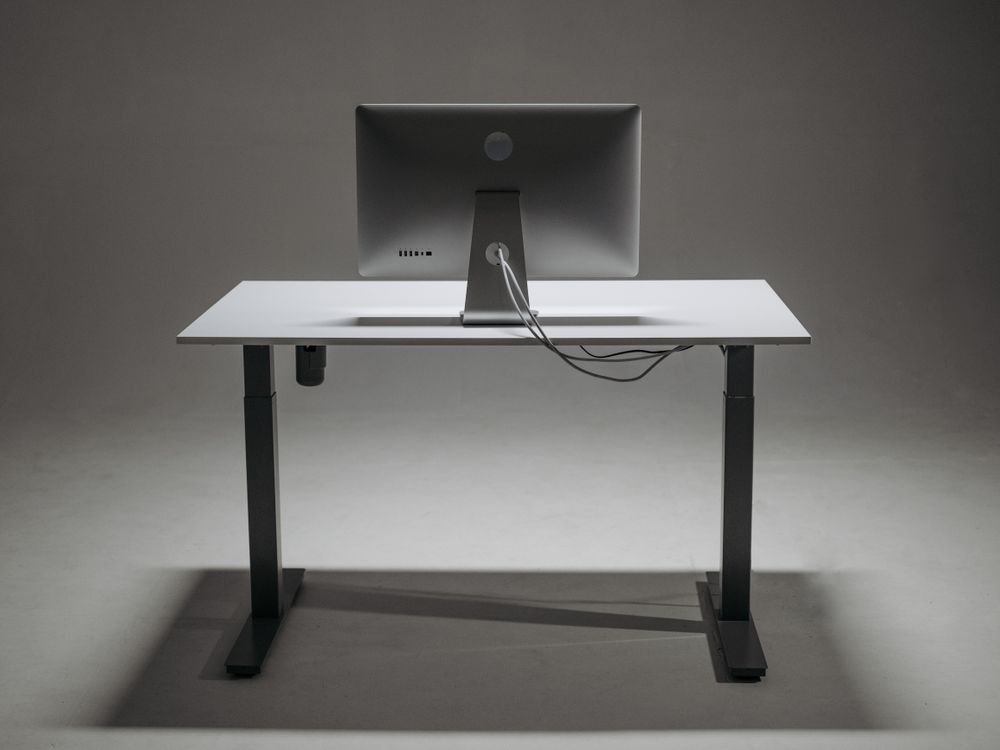
Loose charging cords can dominate a nightstand or desk. Choose one safe outlet location, route cables away from foot traffic, and give devices a simple resting surface. Cable clips may help prevent tangles, but avoid overloaded power strips or covering chargers with fabric. The spot should also fit your routine: a charger behind a heavy cabinet can be frustrating even if the finished photograph looks tidy. A small change can reduce the nightly search for cables.
11. Try a one-basket reset at the end of the day

Instead of taking separate trips to return every stray object, carry one basket through the rooms and collect items that belong somewhere else. When you’re done, return them to their assigned places. This is especially useful in a home with several shared areas. Don’t let the basket become a permanent dumping ground; the routine works because items leave it regularly. Start with five minutes and adjust the process to fit your household rather than setting an unrealistic standard.
12. Reduce duplicates before buying more storage

It’s tempting to respond to overcrowded drawers with a new organizer, but duplicate utensils, half-used products, and old cables often account for the problem. Gather items in one category and decide which you actually use. Check whether extras are safe to donate, recycle, or dispose of. Once the inventory is realistic, measure the remaining items and choose storage around them. This often costs nothing and leaves more open space than adding another shelf.
Try an inventory before buying a matching organizer set. Empty one category at a time—mugs, travel chargers or spare linens—and put the duplicates together so you can see them clearly. Keep working items where they are needed; donate or recycle only when you’re sure the extras serve no purpose and disposal rules allow it. Then measure the remaining collection before choosing a container. This prevents a shelf of attractive boxes from disguising the same old clutter. If you do need to shop, our home-essentials guide gives examples of product features to compare. For furnishing tiny rooms, see space-saving furniture ideas.
13. Separate paperwork into a simple action system

Paper piles usually mix things you need to act on with documents you want to keep. Create one place for current action items and another for records, then decide how frequently to review the first. Use secure storage for sensitive personal or financial documents, and shred them appropriately when no longer needed. Avoid sophisticated filing systems with dozens of categories unless you already have enough paperwork to justify them. The best labels are the ones you remember.
14. Give each person an accessible shared-space spot

In shared homes, belongings tend to wander when people don’t know where they should go. A labeled basket, shelf, or drawer for each person can create a predictable landing place without micromanaging every item. Keep the system appropriate to the people who use it, including their height and mobility needs. Discuss what should remain in communal areas before adding storage. A little agreement often achieves more than a beautiful set of matching boxes.
15. Leave empty space for the next ordinary day

A completely packed shelf has no room for groceries, a new book, or items waiting to be put away. Leaving a small amount of open space makes daily resets easier and keeps storage from becoming a tight puzzle. You don’t have to fill every drawer to use it efficiently. If a cabinet is already crowded, consider removing something before adding another container. Organization should make a home more flexible, not less.
A room-by-room weekend plan
Pick just one problem area for your first session, preferably a spot that causes daily frustration. Empty it, sort the contents, and assign realistic locations before adding any products. Test the system for a week, then make small changes based on what actually happens. If objects keep ending up somewhere else, that’s useful information: the new location may be too inconvenient or the category may be too broad.
Shopping thoughtfully for storage
If you do need baskets, dividers, shelves, or containers, bring measurements and a list of what they must hold. Consider the material, whether surfaces can be cleaned, and how much space is needed to open a lid or drawer. Secure tall furniture and keep heavier objects low. Cheap storage isn’t a bargain if it’s awkward to use or breaks quickly. Your own routines should decide the product, not the product deciding your routine.
Common question: How do I keep a home organized with little storage?
Start with high-frequency items and remove duplicates. Use under-bed space, existing drawers, and safe vertical areas before adding furniture. If you share a room, give frequently used things clear homes that everyone can reach. A system that takes seconds to put away will outperform one that looks pristine but requires constant effort.
Free printable: $100 Room Refresh Planner
Before buying storage bins, use a simple room plan to clarify what really needs organizing and what can be reused.
Download the free five-page Room Refresh Planner (PDF) – no purchase required.
Keep the process manageable
Choose the two ideas that solve the most irritating everyday problems and start there. You can find more specialized advice in our Organization guides, including kitchen-specific ideas, or visit Small Spaces for layouts where storage has to share limited floor space.